

Article Summary
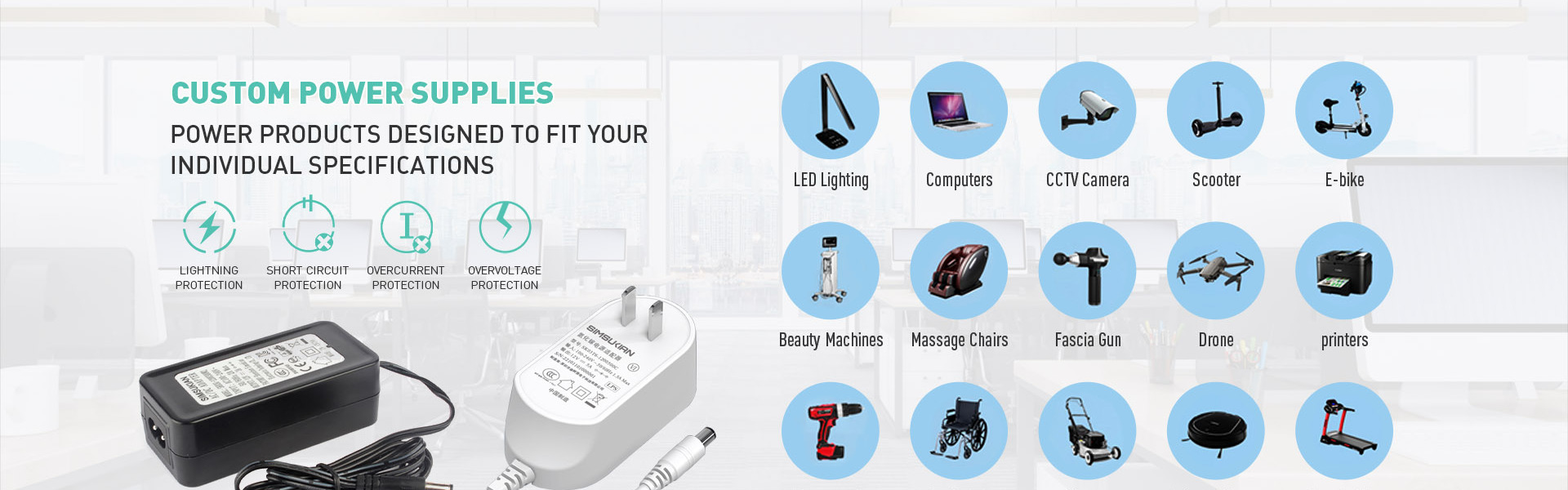
A charger is not just a brick with USB ports. Heat buildup, cable resistance, shared-wattage confusion and fake fast-charge claims cause most field failures. This guide explains the technical parameters and specifications that actually matter when selecting a charger for home, travel or office deployment.
Heat Kills Before Specifications Do
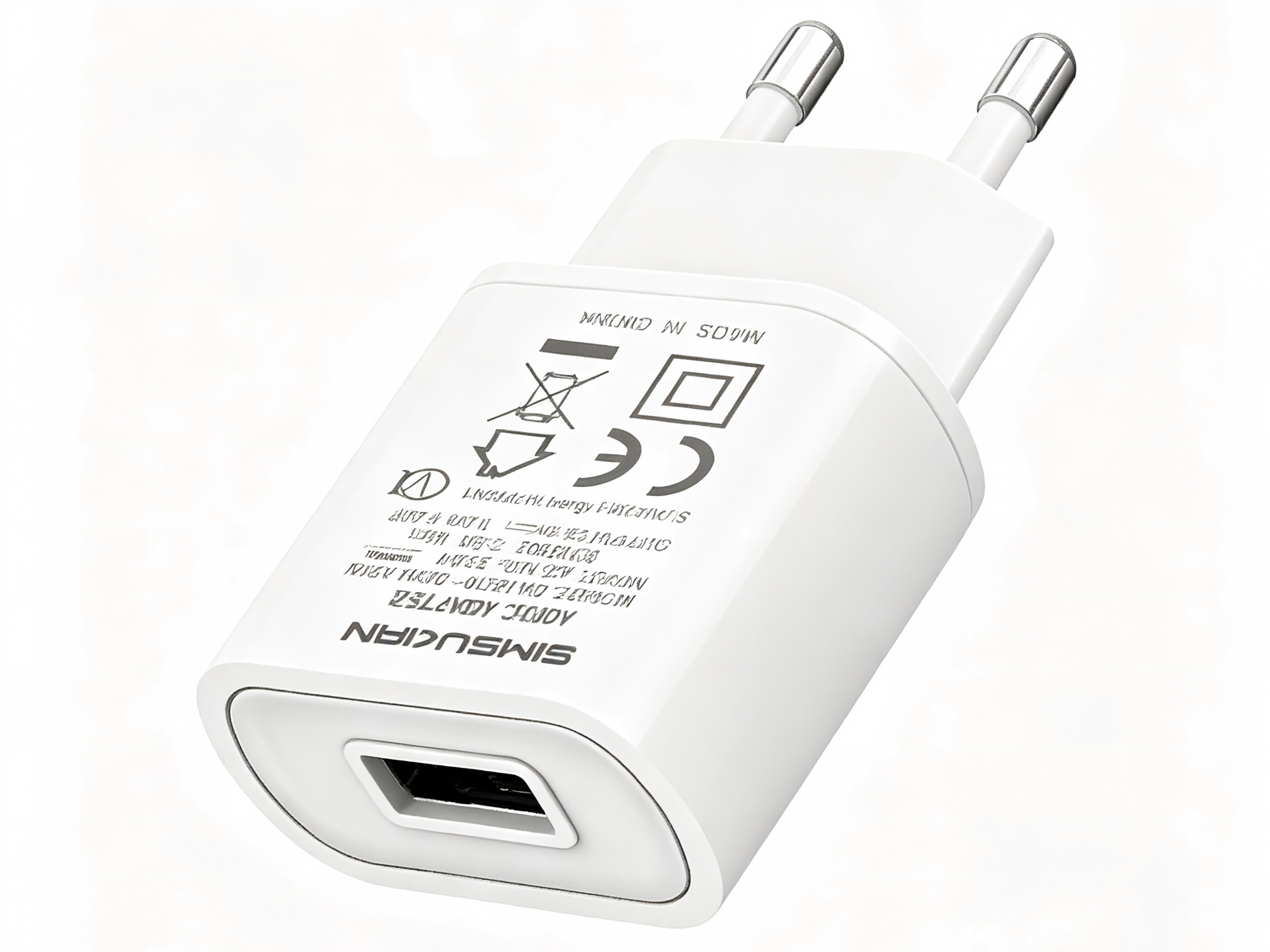
The number one killer of a charger is sustained heat. A unit rated 65 W that runs at 58 °C internally will age capacitors, warp housing and loosen solder joints. A charger left plugged in 24/7 behind a sofa or inside a power strip cubbyhole sees ambient temperatures 15 to 20 °C above room temperature. Most buyers never read the operating temperature range on the label — if it says 0 to 40 °C and your hallway hits 42 °C in summer, you are outside spec every afternoon.
A quality charger uses high-temperature electrolytic capacitors rated at 105 °C, not 85 °C. The difference in field lifespan is 3× to 5× under real-world conditions.
Cable Resistance Is Half the Problem
A charger can deliver perfect power, but if the cable has thin AWG wire, high contact resistance at the connector, or no E-Marker chip, the device at the other end gets unstable voltage. A 2-meter cable with 22 AWG power lines drops 0.3 V to 0.5 V under 3 A load — that is 1.5 W disappearing as heat inside the cable jacket. A charger paired with a cheap cable will trigger the phone's over-voltage protection and drop to 5 V slow charge without warning the user.
Buyers specifying a charger for field deployment should bundle certified cables or at minimum publish the recommended AWG and length limits. A charger is only as good as the cable it ships with.
Shared Wattage Confusion
Multi-port chargers advertise total wattage, but few explain how it splits. A charger labeled "100 W total" may deliver 100 W on port 1 alone, 65 W plus 30 W on two ports, or 45 W plus 30 W plus 22.5 W on three. What it never does is deliver full wattage on every port simultaneously — physics does not allow it. A charger that does not print the allocation table on the housing or in the manual will generate support tickets within two weeks of shipment.
For procurement teams buying a charger in bulk, the allocation table is more important than the total number. If your users plug in a laptop plus a phone plus earbuds, you need to know which port throttles first and at what threshold.
Fake Fast-Charge Claims
A charger that says "Quick Charge 3.0 compatible" may only support the 5 V/3 A and 9 V/2 A steps — missing the 12 V and 20 V rails that actually trigger fast-charge on many devices. A charger that claims "PD 65 W" but uses a 5 A controller with a 3 A thermal limit will negotiate 60 W briefly and then drop to 45 W after 90 seconds. The user sees "charging rapidly" for one minute and then normal charging for the remaining 90 minutes.
A charger should publish the actual negotiation log, not just the marketing claim. If the vendor cannot provide a PD analyzer screenshot showing stable PDO selection under load, assume the claim is aspirational.
Travel and Plug Compatibility
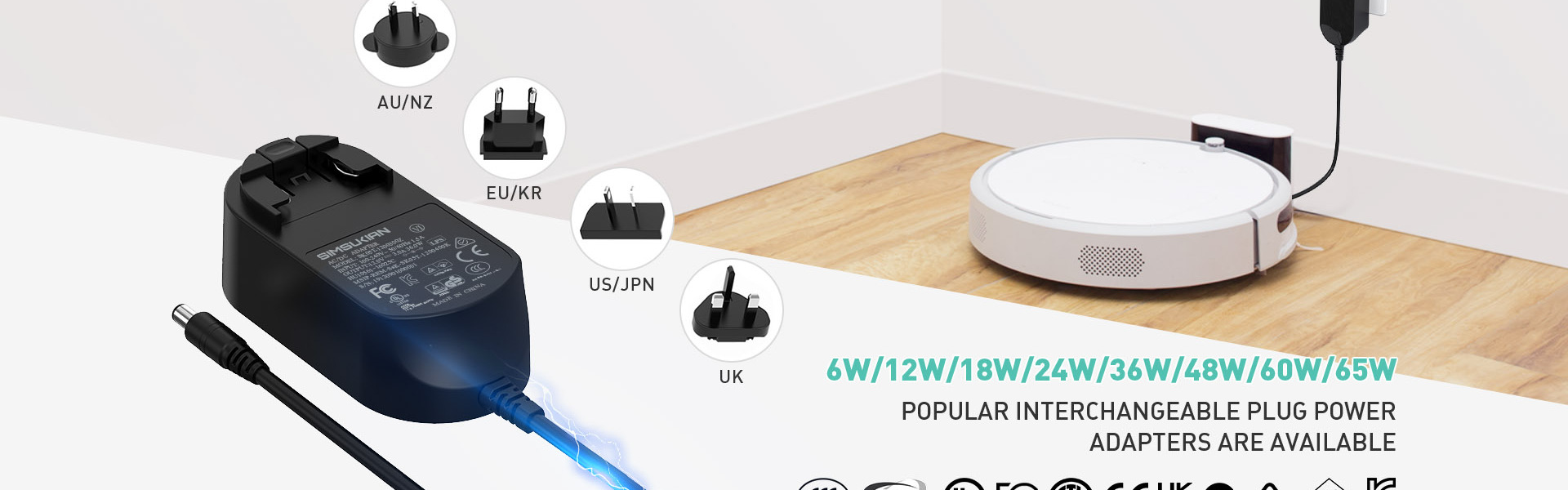
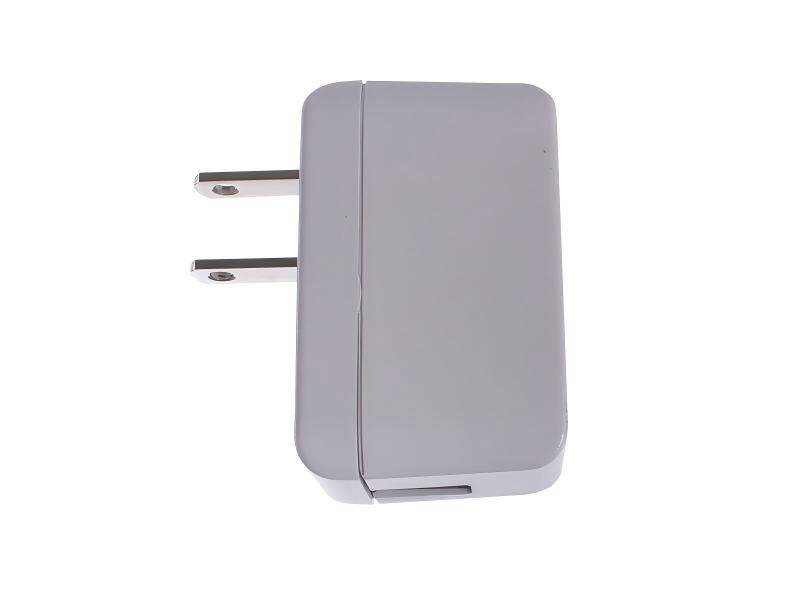
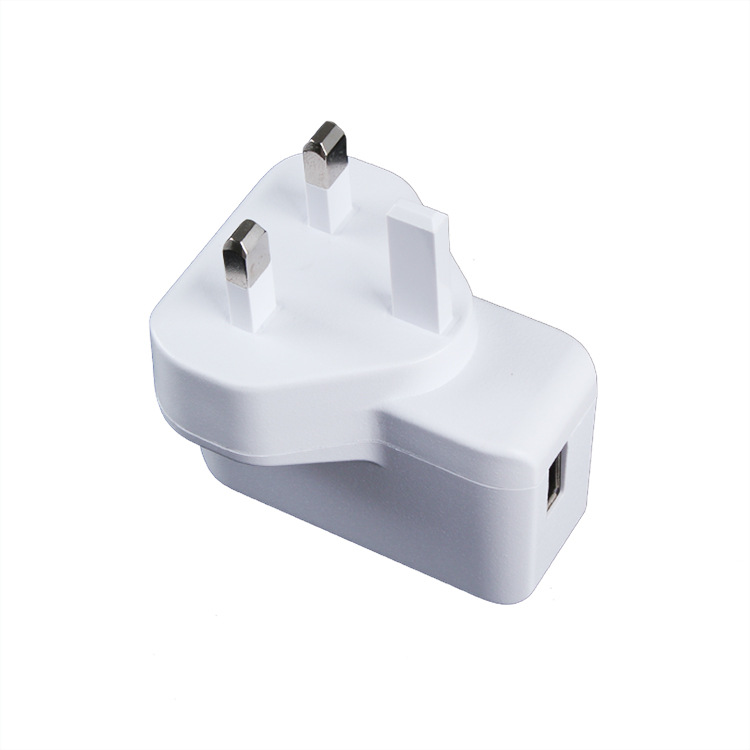
A charger for international deployment faces mechanical problems no datasheet mentions. Type A slots in North America are tolerant of pin thickness variation. Type G in the UK requires rigid pins that meet BS 1363 dimensional tolerances. Type I in Australia and China has different pin lengths and insulation requirements. A charger with foldable pins that work in one region may not seat properly in another, creating intermittent contact and arcing risk.
Interchangeable pin plates solve this but add cost and certification complexity. A charger with slide-on adapters must re-certify the pin-to-housing interface in every target market. Many vendors skip this step and hope customs does not notice.
Conclusion
A charger is a thermal product, a cable-dependent product and a firmware product before it is a power product. Heat rating, capacitor grade, cable specs, port allocation logic and real negotiation data matter more than the watt number printed on the box. Specifying on brand recognition alone is why IT managers keep replacing chargers every nine months.
Tired of chargers that throttle, overheat or refuse to fast-charge your devices after three months? Simsukian builds thermally validated, multi-certification-ready chargers with transparent allocation tables and bundled cable specs. Drop us your device list and we'll match the right charger.
Sources
1.IEC. Audio/video, information and communication technology equipment — Part 1: Safety requirements (IEC 62368-1). https://webstore.iec.ch/b/62368
2.USB Implementers Forum. USB Type-C Cable and Connector Specification (including E-Marker requirements and current carrying capacity). https://www.usb.org/usb-charger
3.CENELEC. EN 55032 — Electromagnetic compatibility of multimedia equipment and EU ErP Regulation (EC) 2019/1782. https://www.cenelec.eu/ and https://eur-lex.europa.eu/eli/reg/2019/1782/oj
Power adapter
Power adapter
Related Articles More>>
- 30W PD GaN Fast Charger Performance Analysis & Cross-border B2B Bulk Procurement Guide
- Wall Plug Power Adapter - Wide Voltage Input Solution & Full Electrical Technical Parameter Analysis
- Detailed Technical Parameters & Global Compliance Solutions for Desktop Power Adapter
- EMI EMC Test & Overseas Market Access Guide for Desktop Power Adapter