

Abstract
A PD GaN fast charger has dense component layout and limited thermal space. The PD GaN fast charger controls heat via component selection, thermal paths and housing structure. This PD GaN fast charger covers steady-state temperature rise, thermal resistance and high-temperature derating threshold parameters to ensure safe continuous full-load operation.
1. Heat Source Distribution
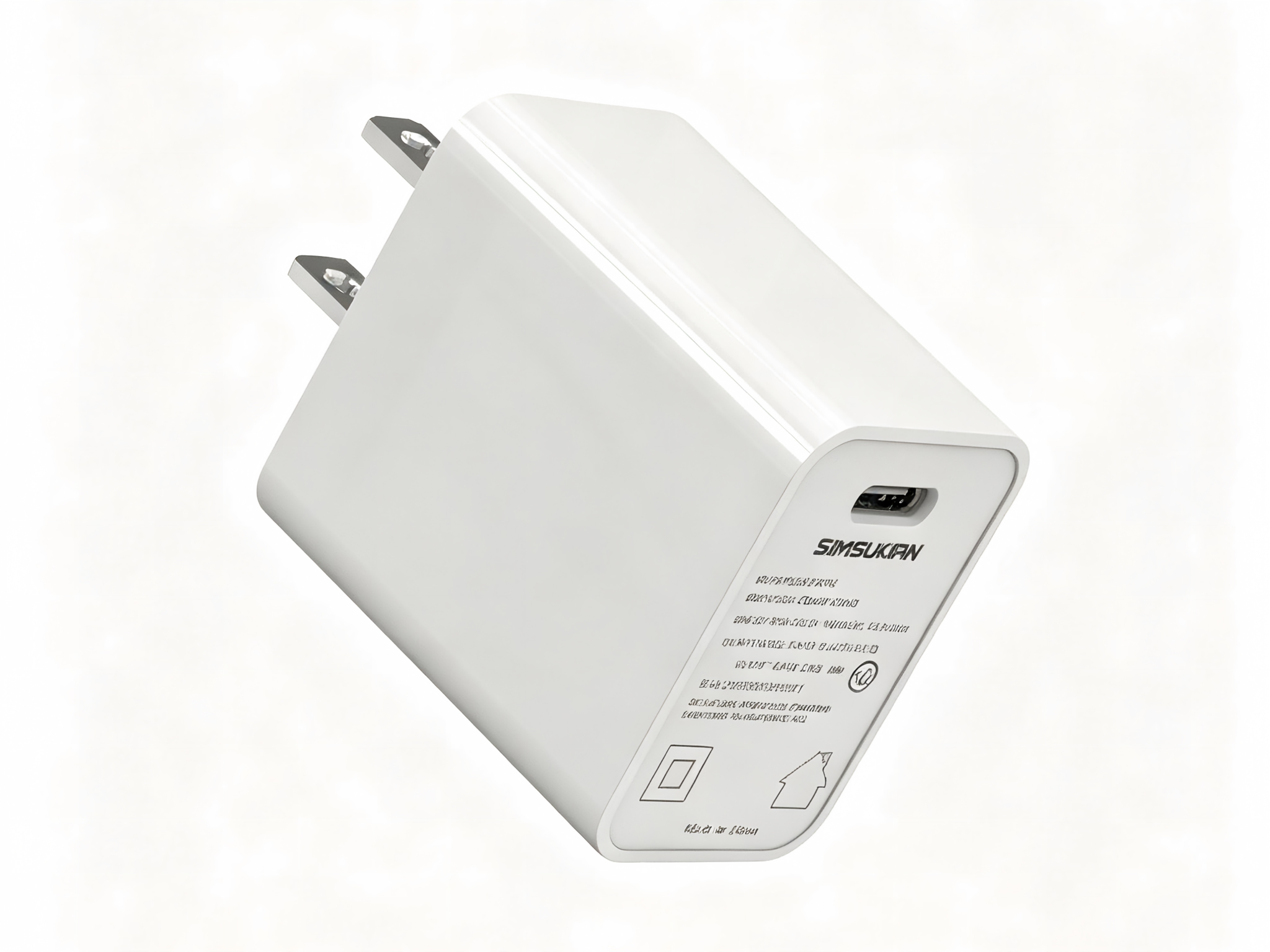
Major heat sources inside the PD GaN fast charger are GaN switches, high-frequency transformers and output capacitors. Even with low component loss, compact layout of the PD GaN fast charger traps heat. The PD GaN fast charger must design multiple thermal paths to dissipate heat.
2. Steady-State Temperature Rise Parameters
At 25℃ ambient full load, housing temperature rise of the PD GaN fast charger is usually kept under 32K. Junction temperature of internal GaN devices in the PD GaN fast charger cannot exceed 125℃. Housing touch temperature of the PD GaN fast charger must stay within safety limits per safety standards.
3. Thermal Resistance and Thermal Interface Materials
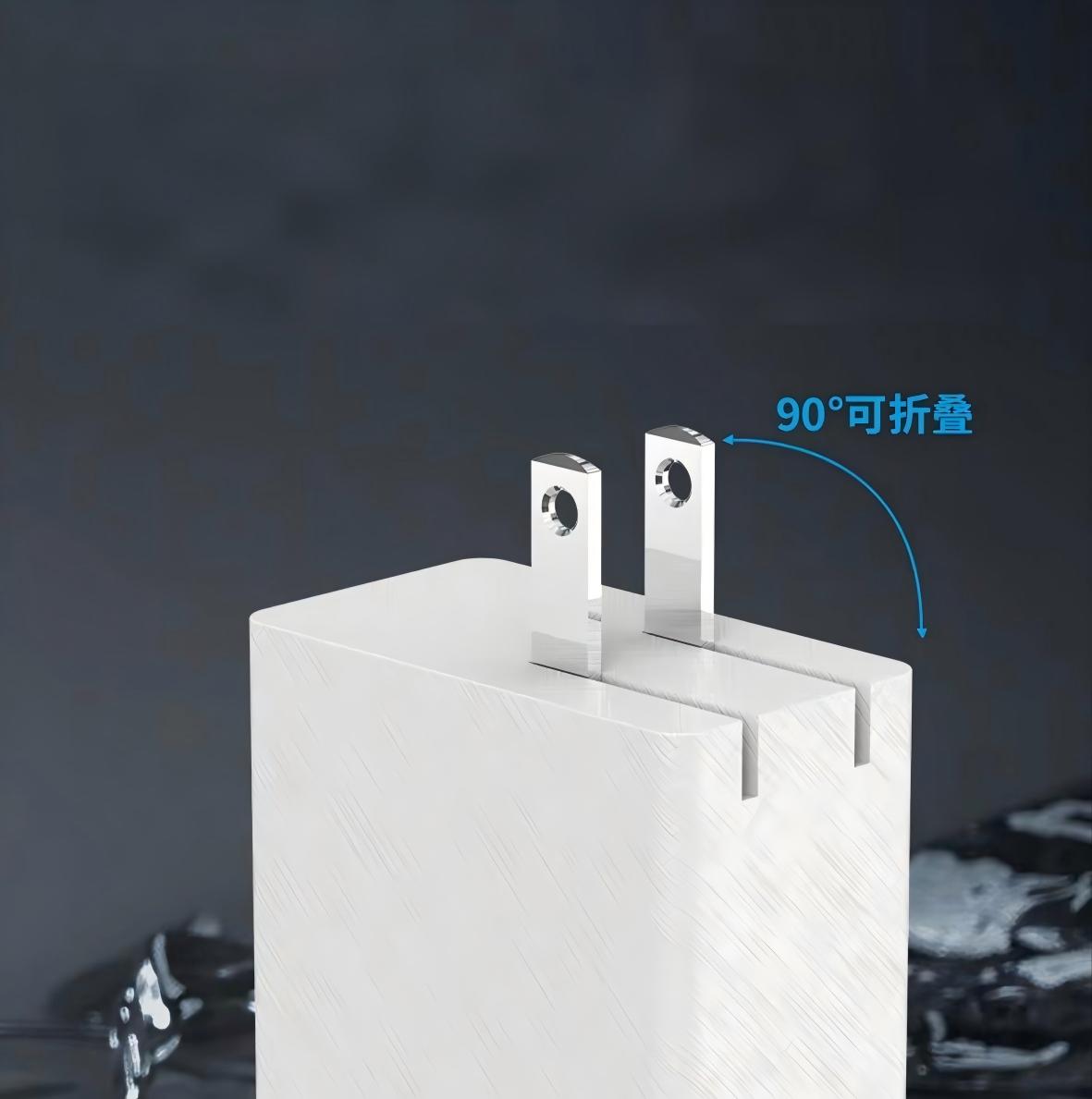
The PD GaN fast charger uses thermal silicone pads between power components and enclosure. Reducing interface thermal resistance of the PD GaN fast charger accelerates heat transfer outward. PC housing material of the PD GaN fast charger balances flame retardancy and thermal conduction.
4. Automatic Derating at High Ambient
The PD GaN fast charger integrates NTC thermistors to monitor internal temperature. When temperature exceeds threshold, the PD GaN fast charger automatically reduces output power to cut heat generation. The PD GaN fast charger restores rated power after cooling down.
5. Burn-in and Long-Term Thermal Stability
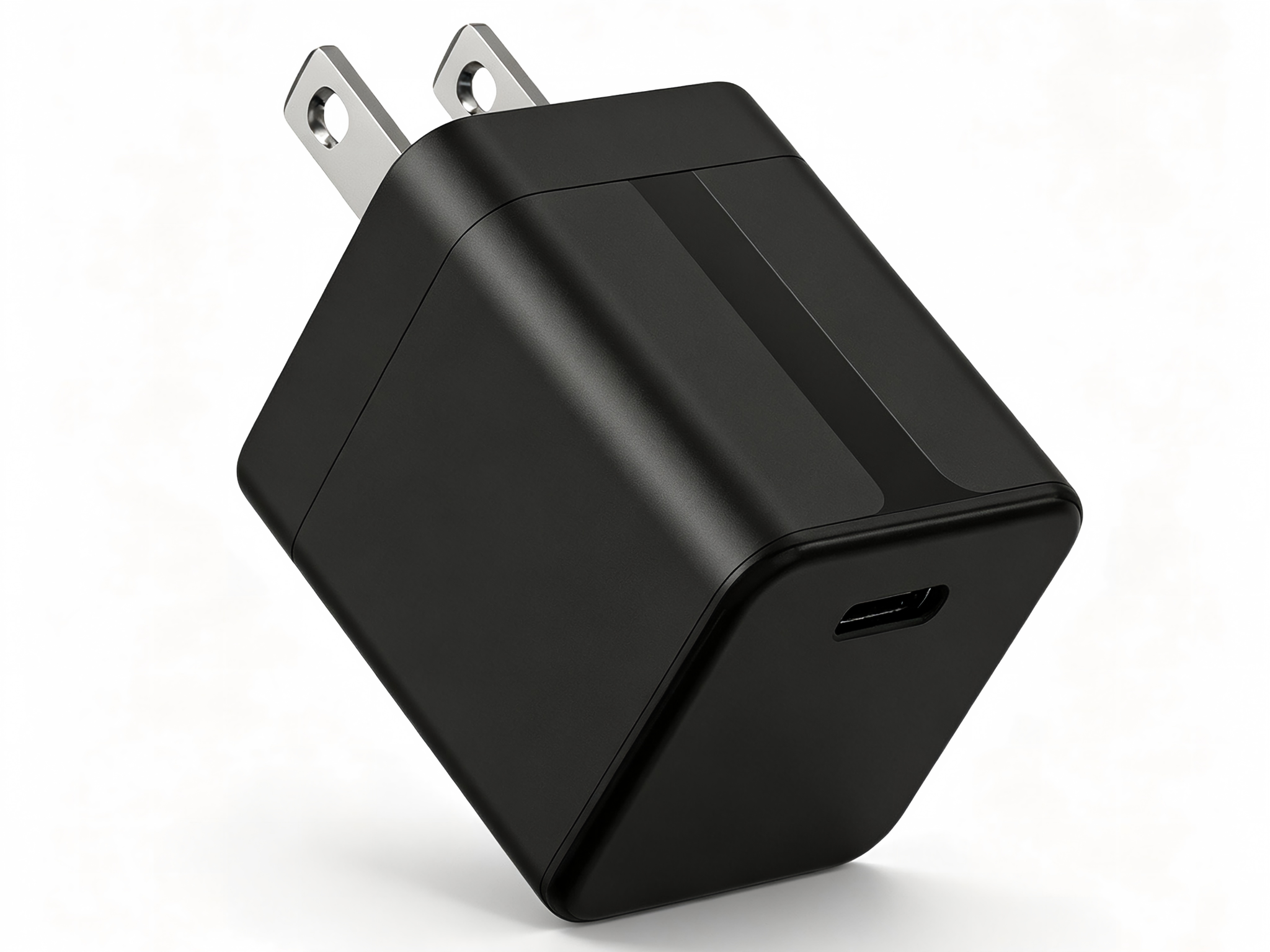
A PD GaN fast charger must pass high-temperature burn-in to verify thermal margin. Elevated temperature accelerates capacitor aging and shortens service life.
Conclusion
Thermal design defines lifetime and safety of the PD GaN fast charger. To receive temperature-rise test curves of a PD GaN fast charger, contact Simsukian for test reports and samples.
References
1. USB-IF USB Power Delivery Specification