


1. Main Aging Failure Mechanism of Power Adapter
Internal components of the Power Adapter age gradually under combined thermal and electrical stress during continuous power-on. Electrolytic capacitors are the lifetime bottleneck of the Power Adapter. Electrolyte evaporates over time, ESR rises continuously and filtering capability eventually fails.
Other aging components include semiconductors, plastic housings and solder joints. High temperature accelerates electrolyte evaporation and solder metal migration and speeds up performance degradation of the Power Adapter.
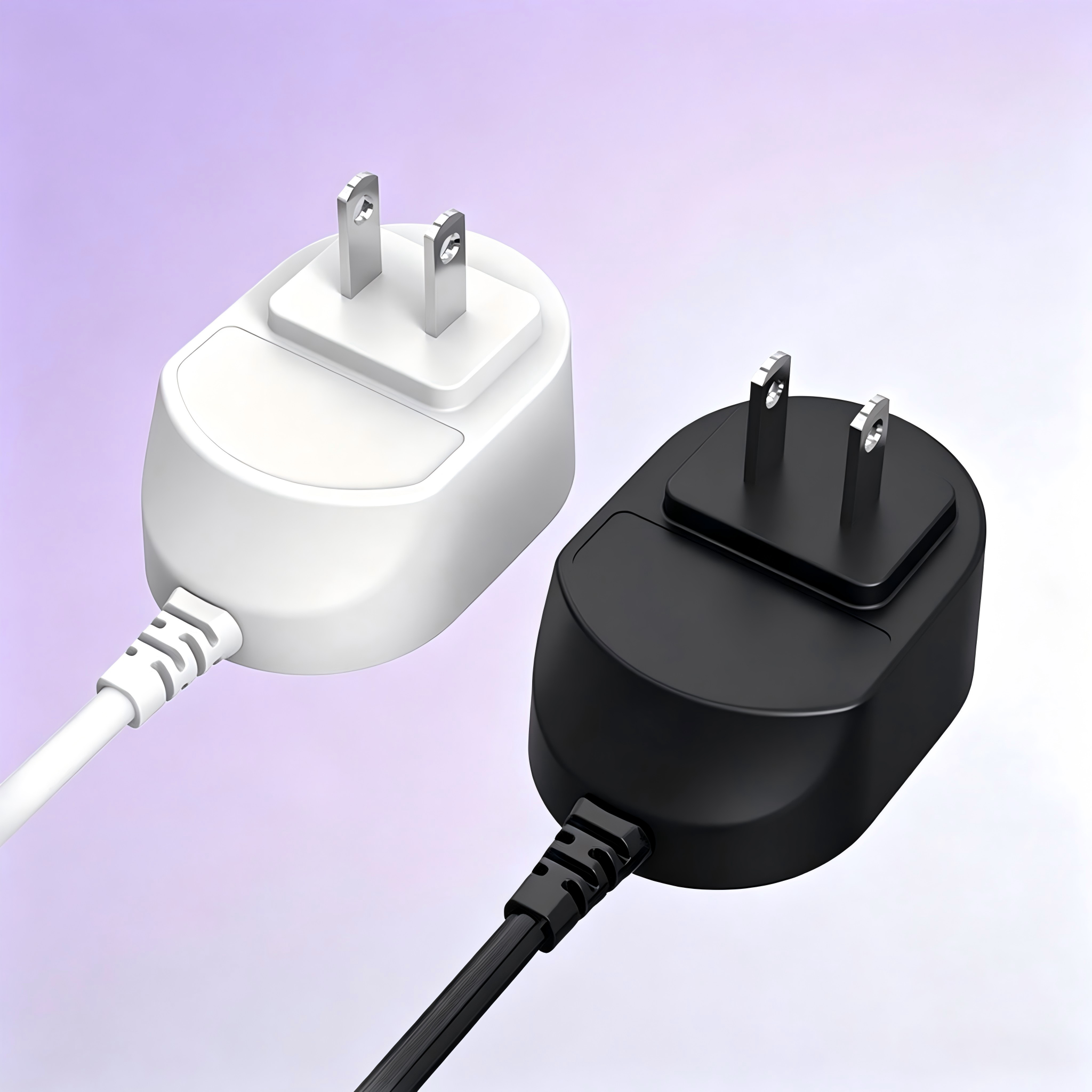 Aging proceeds slowly at room temperature and failures take years to appear. The industry uses accelerated aging tests, raising ambient temperature to simulate years of continuous operation within a short time and predict service life of the Power Adapter.
2. Accelerated Aging Test to Evaluate Long-Term Lifetime of Power Adapter
Accelerated aging commonly uses the Arrhenius acceleration model. Raise ambient temperature and run the Power Adapter continuously under rated load.
Standard test profile: 70℃ ambient temperature, full-load continuous operation for thousands of hours. Take samples out at fixed intervals to measure output voltage, ripple and leakage current and inspect appearance.
A sample is marked failed once the Power Adapter shows excessive output drift, out-of-limit leakage or swollen housing.
After testing, count failed samples and apply Arrhenius formula to calculate MTBF of the Power Adapter under room temperature. Note: MTBF is a statistical estimation, not fixed service life for individual units.
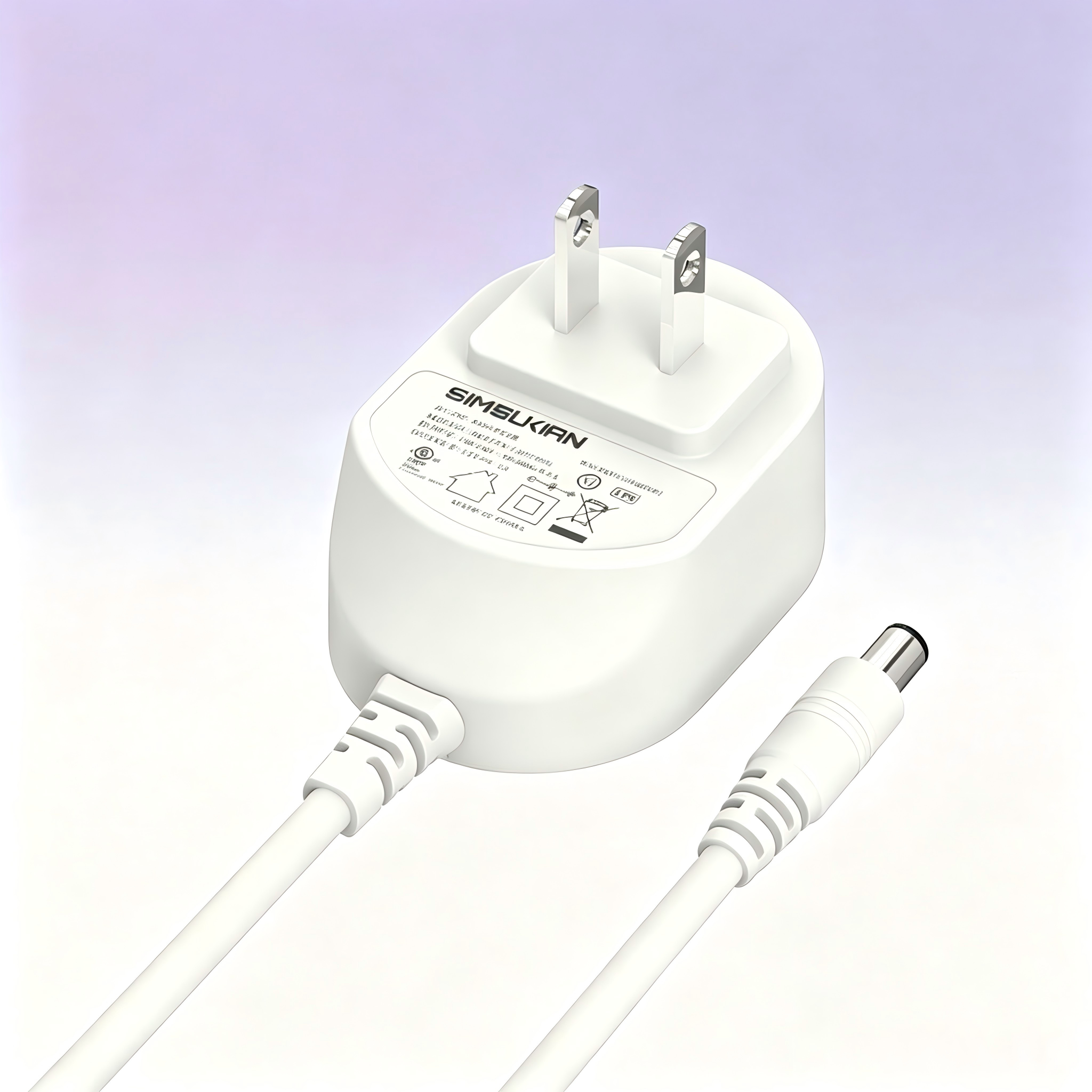
3. Distinguish Theoretical MTBF and Measured Aging Data
Some suppliers calculate MTBF of the Power Adapter purely based on component datasheets without physical aging tests. Pure theoretical values are often overestimated and ignore real stress from PCB layout and soldering quality.
Credible lifetime evaluation requires long accelerated aging on physical samples, record failure time then calculate MTBF. When sourcing a Power Adapter, request measured aging reports instead of relying only on theoretical estimates.
For the same Power Adapter, real service life drops significantly under hot and humid field environments compared with indoor room-temperature operation. Leave sufficient lifetime margin during selection.
4. Design Tips to Extend Lifetime of Power Adapter
To extend service life of the Power Adapter, focus on lowering internal temperature rise and selecting long-lifetime components.
1. Adopt long-life low-ESR electrolytic capacitors or solid capacitors to slow capacitor aging.
2. Optimize PCB layout, reduce power loop loss and lower operating temperature of components.
3. Design proper heat dissipation paths to control full-load temperature rise of the Power Adapter and reduce thermal stress.
4. Use high-temperature resistant housing plastic and high-reliability solder to slow aging of solder joints and housing.
Reducing internal temperature rise at design stage is the most effective way to extend lifetime of the Power Adapter.

5. Mass Production Control and Lifetime Margin Design
Lock component models of capacitors, controller IC and housing plastic for the Power Adapter in mass production. Changing capacitor models alters expected lifetime of the Power Adapter and requires re-run accelerated aging tests.
Reserve lifetime margin during project design. If end devices require 5-year service cycle, the evaluated lifetime of the selected Power Adapter should exceed 5 years to offset accelerated aging caused by high temperature and voltage fluctuation in field.
Sample mass-produced units periodically for aging tests to continuously monitor lifetime stability of the Power Adapter.
Conclusion
Service life of the Power Adapter is determined by component aging rate. Accelerated aging testing is the core method to estimate MTBF. B-side projects evaluating Power Adapter should not rely only on theoretical MTBF figures. Prioritize physical accelerated aging test results and verify lifetime margin of capacitors and power devices. Lock core components in mass production to avoid shortened expected service life caused by material replacement. If you need lifetime assessment and long-lifetime design for Power Adapter, Sen Shu Qiang runs accelerated aging tests, calculates MTBF and delivers long-life Power Adapter solutions. Contact us to discuss your project.
Power adapter
Power adapter
NewUpdates
Related Articles More>>
- Temperature Rise & Aging Bench Test Analysis for Interchangeable Plug Power Adapter
- PD GaN Fast Charger: Overseas Market Safety Compliance & Energy Efficiency Selection Guide
- Wall-mount Power Adapter Overseas Market Safety & Energy Efficiency Selection Guide
- Humidity-Thermal Aging Test & Lifetime Assessment for Desktop Power Adapter Reliability