

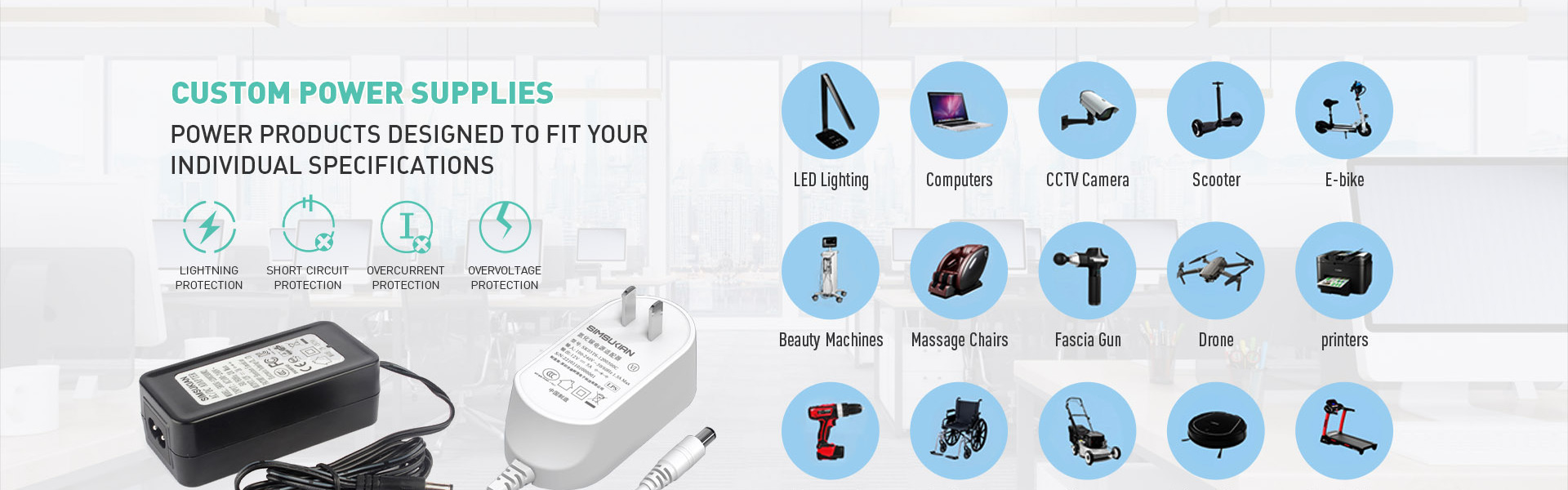
1.Common Pitfalls in Power Adapter Cost Reduction
Many procurement projects treat lower unit price of the Power Adapter as the top priority, replacing core components such as transformers and safety capacitors. Such moves reduce short-term costs, yet alter electrical and safety characteristics of the Power Adapter. If core material changes are not notified to certification bodies, existing certificates become invalid, leading to cargo detention during export customs inspection.
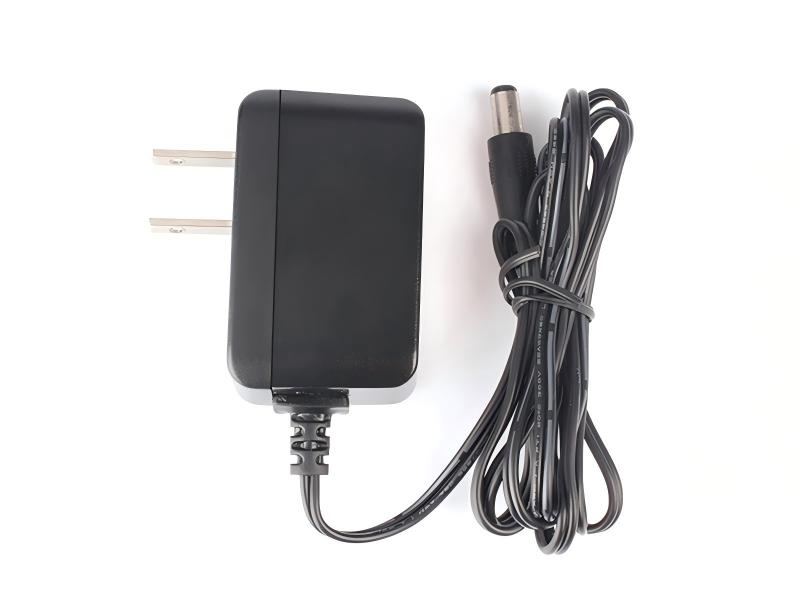 B-side orders are usually large-volume. Minor savings from cheaper materials are negligible compared with losses caused by mass product failures or recalls. Genuine compliant cost reduction does not mean cutting safety margins; it relies on structural optimization, standardized component reuse and supply chain integration.
2.Distinguish Adjustable Materials and Untouchable Core Components for Power Adapter
To safely control costs of the Power Adapter, classify components and clarify which parts cannot be swapped freely.
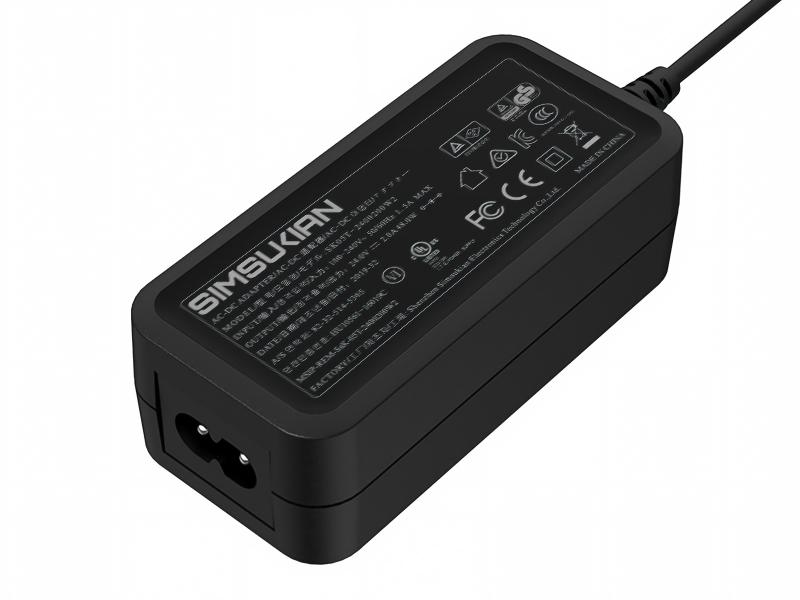 Non-modifiable core components: main controller IC, safety X/Y capacitors, high-frequency transformers, optocouplers, fuses. These parts are tightly linked to safety certifications. Model replacement requires notification to certification bodies and re-evaluation tests.
Adjustable non-critical materials: secondary plastic housing colors, output cable jacket material (within safety specs), non-critical auxiliary resistors. Changes to these items do not affect safety performance of the Power Adapter and do not require extensive re-testing within certification scope.
Before material adjustment, suppliers must provide datasheets to confirm parameters stay within original specs and deliver small-batch samples for reliability testing.
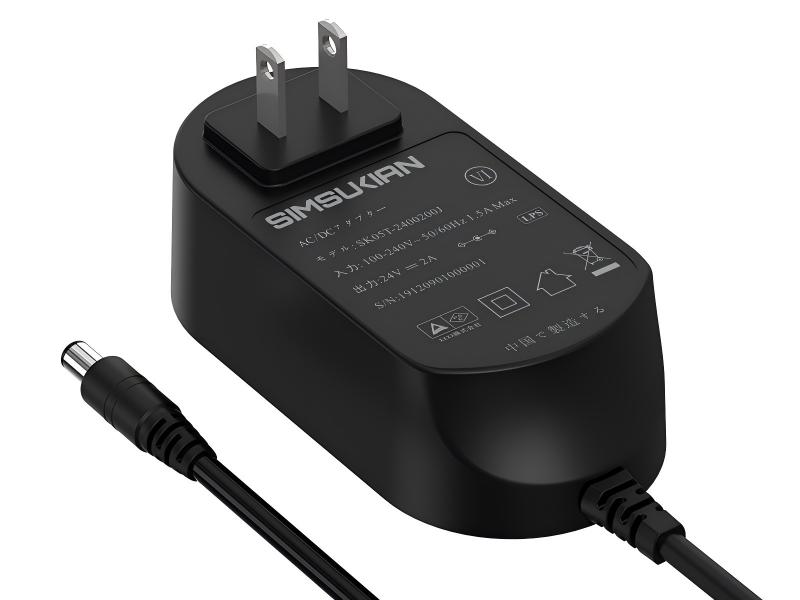
3.Standardized Design to Cut Customization Cost of Power Adapter
Excessive custom requirements are a major driver of high costs for Power Adapter. Many hardware manufacturers customize circuits and housings for every single end product, accumulating mold charges and engineering validation expenses.
Prioritize platform-based standardized Power Adapter solutions. Adjust output parameters based on existing certified models instead of full new development. Standard models have completed full safety, aging and EMC tests, eliminating repeated certification cycles and test fees.
When multiple end devices share similar power requirements, adopt the same Power Adapter model to increase order volume and gain better supply chain pricing. Standardization also simplifies incoming inspection and reduces production defect rates.
4. Sample Validation Workflow to Verify Performance of Revised Power Adapter
After material adjustment, complete full sample validation instead of simple power-on tests.
Test items include full-load temperature rise, thermal cycling, hipot insulation, dynamic load and pre-compliance EMI scan. Compare temperature rise curves, leakage current and noise indicators of the Power Adapter before and after revision.
Run 500-hour continuous aging on multiple samples and monitor parameter drift. Recheck electrical specs after aging to confirm no performance degradation. If any indicator exceeds limits, re-evaluate material proposals before mass production.
5. Supply Chain Control in Mass Production
Build a formal material change approval process for mass production. Any material replacement request from suppliers must come with full test reports and engineering risk assessment before approval.
Sample Power Adapter units from every incoming batch and cross-check BOM to ensure component models match validated samples. Maintain alternative material backup plans to prevent sudden component shortages that force unplanned part substitution and trigger quality fluctuations.
Conclusion
Cost reduction for Power Adapter is not simply switching to cheaper components. The core principle is to preserve safety and certification compliance, and lower total cost via non-critical material optimization and standardized platform reuse. B-side buyers negotiating Power Adapter proposals must assess risks of material changes and implement sample validation plus incoming sampling to avoid safety and certification risks caused by aggressive cost-cutting. If you need cost optimization and material evaluation for Power Adapter, Sen Shu Qiang has rich experience in platform power design. We help optimize costs while keeping product reliability. Feel free to contact us to discuss your project.
Power adapter
Power adapter
NewUpdates
Related Articles More>>
- Safety Certification Breakdown for Desktop Power Adapter: Certificate, Sample & BOM Version Control
- Thermal Management Design for Charger: Reduce Temperature Rise & Extend Service Life
- Long-term Commercial Safety Analysis of Interchangeable Plug Power Adapter
- Output Ripple & Noise Control for Charger: Protect Downstream Precision Electronics