

Abstract
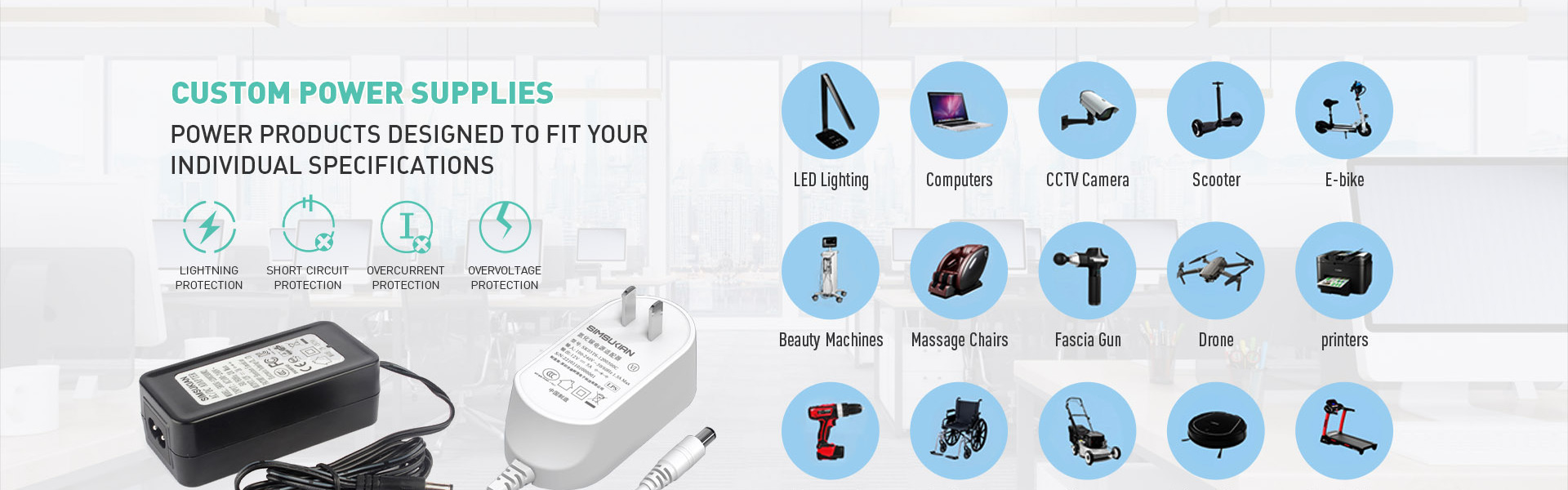
Plug-in power adapter must pass safety and insulation certification for overseas export. Qualified plug-in power adapter adopts reinforced insulation, supports 100–240V AC input, common output 5V/3A,12V/1A, with 3000V AC withstand voltage and UL94 V0 housing. This plug-in power adapter samples pass 48h load aging, temperature rise ≤35K, built-in multi-protection circuits and meet FCC & CE EMC, suitable for IoT and smart home B-side projects.
1. Unique Safety Challenges Brought by the Structure of Plug-in Power Adapter
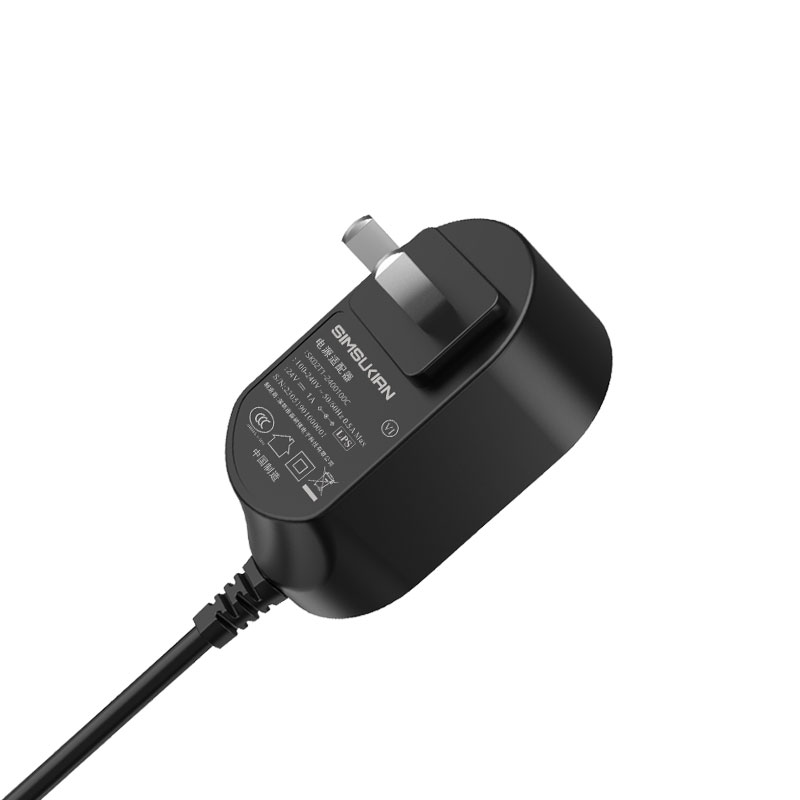
For cross-border B-side customers selecting power supply accessories, the safety certification and insulation performance of plug-in power adapter are always top priorities. Different from desktop power supplies, the plug-in power adapter integrates wall plug and power body. Its shell directly connects to mains power. Insulation failure may cause electric shock hazards. Therefore overseas markets set mandatory requirements for insulation class, creepage distance and electrical clearance. During design, compliant plug-in power adapter reserves sufficient creepage distance following IEC 62368-1. Reinforced insulation separates primary high voltage and secondary low voltage circuit to prevent high voltage leakage and protect end devices and users.
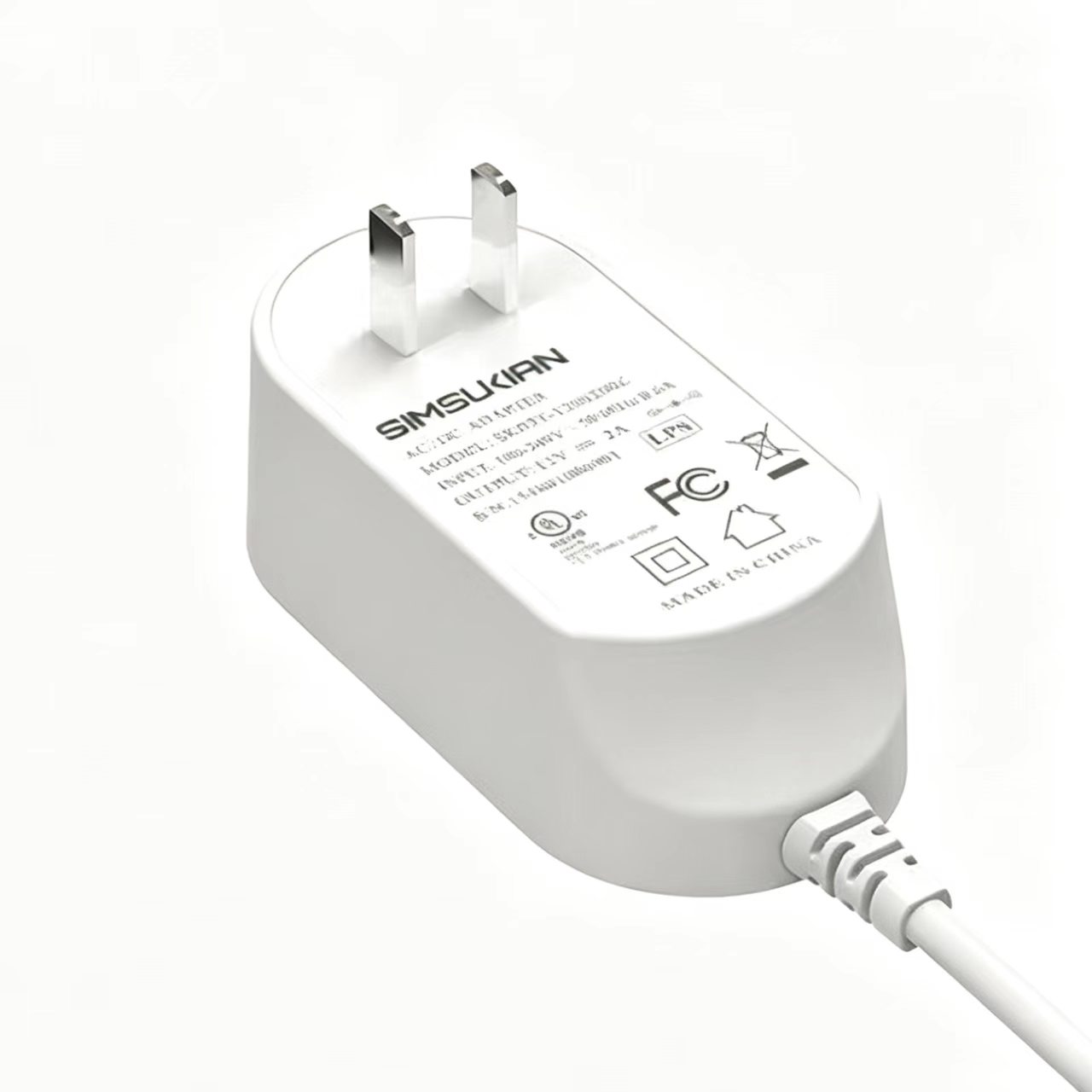
The standard input specification of plug-in power adapter is AC 100–240V, 50/60Hz, covering mains power of most countries worldwide. Common output specifications include 5V/3A,9V/2A,12V/1A, and steady-state voltage deviation is controlled within ±5%. The integrated shell reduces overall size and leaves less room for insulating materials, which is the core reason that safety tests of plug-in power adapter are stricter than split power adapters.
2. Interpretation of Insulation Withstand Voltage Test Indicators of Plug-in Power Adapter
Hipot test is mandatory before delivery. For plug-in power adapter, apply 3000V AC high voltage between primary and secondary windings for 60 seconds without breakdown or flashover. Insulation resistance ≥100MΩ under 500V DC, ensuring insulation performance will not decay over long-term use. The housing adopts UL94 V0 flame-retardant plastic, which can self-extinguish under abnormal high temperature and reduce fire risks. Many low-cost products use UL94 V2 housing, which cannot pass certification in North America and EU.
Insulation performance cannot be judged merely by sample tests. Every batch of mass-produced plug-in power adapter needs sampling hipot test. PCB burrs or offset insulation films during production may cause hidden insulation defects. Only 100% inline hipot inspection can filter defective units, and this production procedure is audited by major overseas clients.
3. Aging Test and Protection Circuit Mechanism of Plug-in Power Adapter
Aging test verifies long-term stability of plug-in power adapter. Sampled mass-production units run 48-hour continuous energizing aging under rated load at 25℃ ambient temperature. Engineers continuously monitor output voltage fluctuation and shell temperature rise. Qualified units keep temperature rise under 35K without false protection triggers.
As safety backup of plug-in power adapter, protection circuit integrates overvoltage protection, overcurrent protection, short-circuit protection and overtemperature protection. When output voltage exceeds 115% rated value, the power supply locks output automatically; current over 120% rating triggers current limiting; output short circuit cuts power instantly; internal temperature above 110℃ activates overtemperature protection. Complete protection prevents fire and equipment damage when rear load fails.
4. EMC Performance and Overseas Selection Suggestions of Plug-in Power Adapter
Electromagnetic compatibility is compulsory for plug-in power adapter export. High-frequency switching circuits generate electromagnetic noise which interferes surrounding wireless modules and sensors. Compliant plug-in power adapter is equipped with common-mode inductors and X/Y capacitor filter circuits. Conducted emissions comply with FCC Part15B and CE EMC limits, output ripple ≤120mV and will not disturb signal transmission of IoT devices.
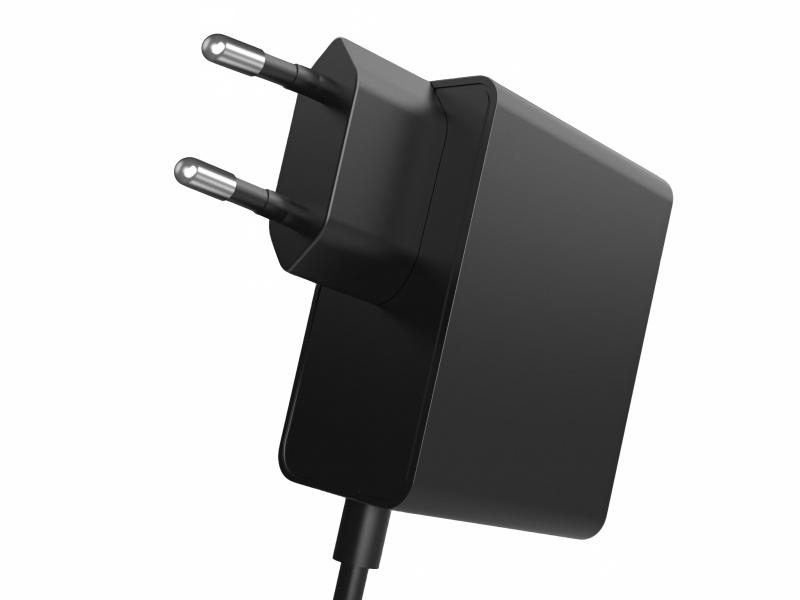
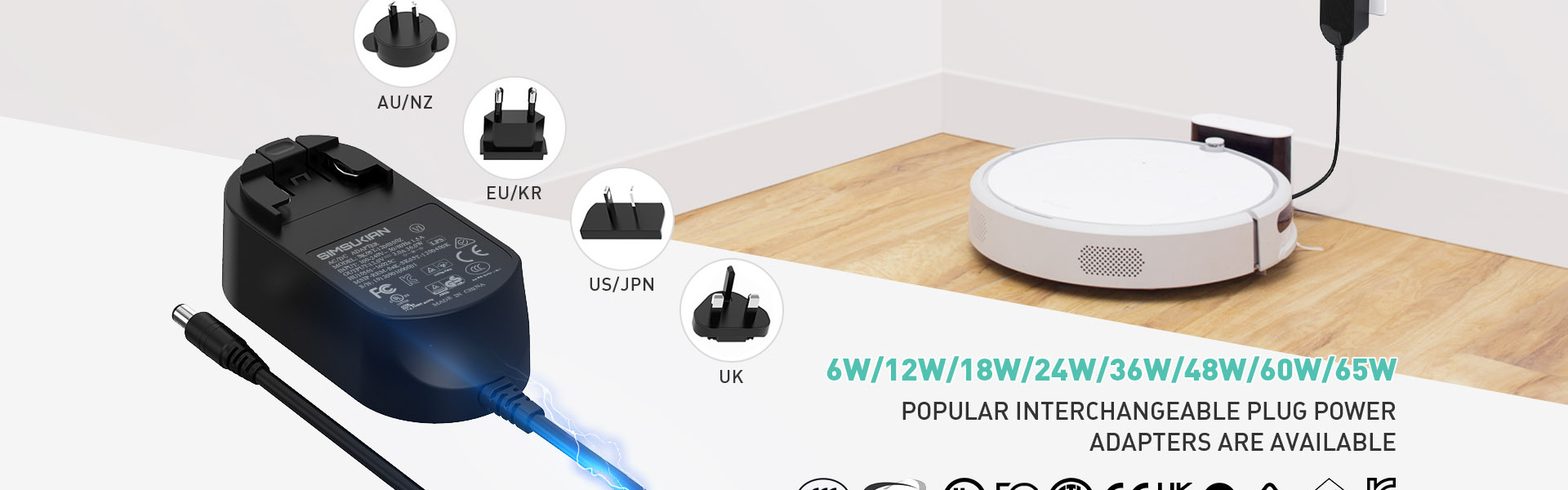
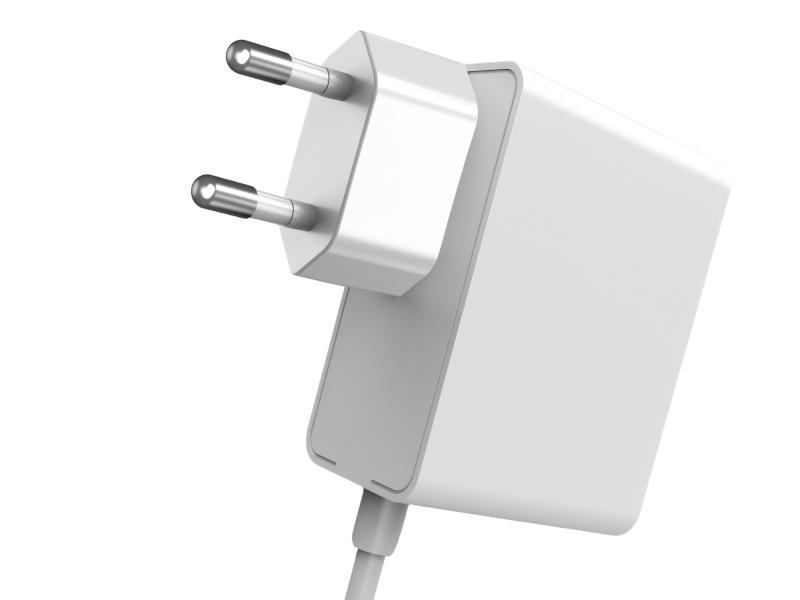
Plug-in power adapter supports interchangeable BS, UL, CE, SAA plugs for different regional markets. When purchasing overseas projects, buyers need to verify certificate validity and test reports. Customs in some countries may inspect power test documents and detain goods without valid insulation reports. When selecting plug-in power adapter, do not only focus on price. Insulation, protection and safety certification directly determine long-term reliability and customs clearance success.
Conclusion
The integrated wall-plug structure of plug-in power adapter brings stricter safety requirements. Qualified units adopt reinforced insulation, 3000V AC withstand voltage, UL94 V0 housing and multi-protection circuits, validated by long aging and EMC tests for overseas IoT and smart home devices. Overseas purchasers should check safety certificates and insulation reports to avoid safety & customs risks. If you need customized plug-in power adapters complying with global safety standards, contact SenShuQiang for solutions and sample testing.
Sources
1. IEC 62368-1 Audio/video, information and communication equipment safety standard
2. FCC Part 15B Conducted electromagnetic interference standard
3. IEC 60950-1 Electrical insulation and hipot test specification
Power adapter
Power adapter
NewUpdates
Related Articles More>>
- Design Guide for Power Adapter Compliance with International Safety Standards
- Cost Optimization for Power Adapter: Optimize Bill of Materials Without Sacrificing Reliability
- Output Ripple & Noise Control for Charger: Protect Downstream Precision Electronics
- Common Failures & Mitigation for Interchangeable Plug Power Adapter in Overseas Projects