

Abstract
The output ripple of plug-in power adapter directly affects the stability of precision electronic terminals and becomes a key evaluation indicator for overseas hardware procurement. High-quality plug-in power adapter adopts π-type filter circuit with low-ESR electrolytic capacitor, rated-load ripple ≤120mV. Qualified plug-in power adapter passes 24h temperature cycling test from -20℃~+60℃ with ripple variation ≤30mV, ideal for auxiliary medical devices, industrial sensors and HD cameras.
1. What is Output Ripple Noise of Plug-in Power Adapter
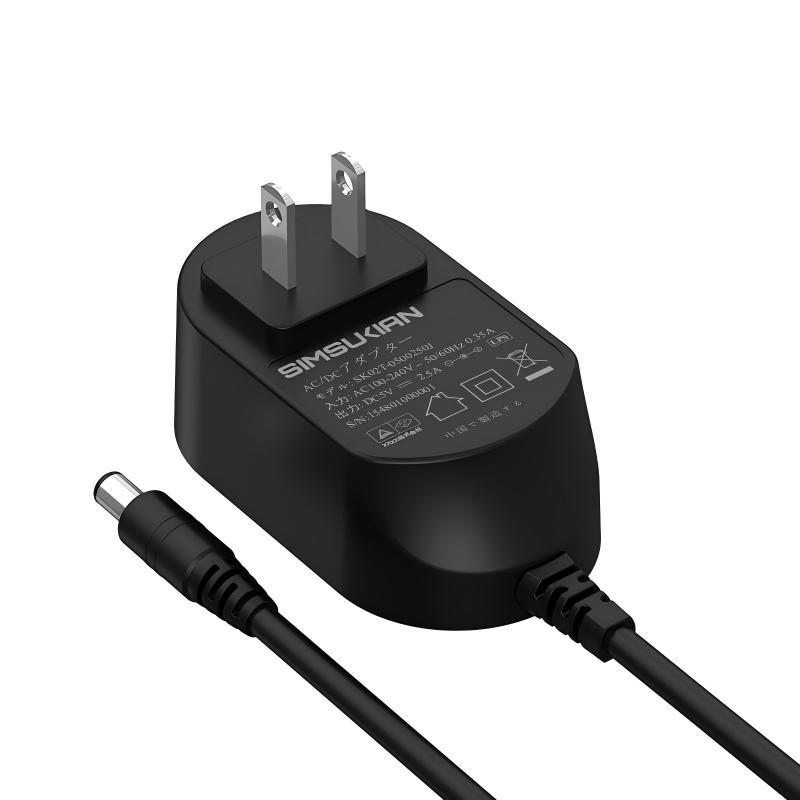
Many overseas B-side procurement engineers ignore the output ripple parameter of plug-in power adapter and only focus on nominal voltage and current values, and discover signal abnormalities only during on-site commissioning later. Plug-in power adapter is essentially a switching power supply. Its high-frequency chopping mode superimposes AC noise on DC output, which is called ripple. Ripple includes low-frequency ripple and high-frequency spikes. Spike voltage interferes with ADC sampling and RF modules, a common cause of power supply failure for precision devices.
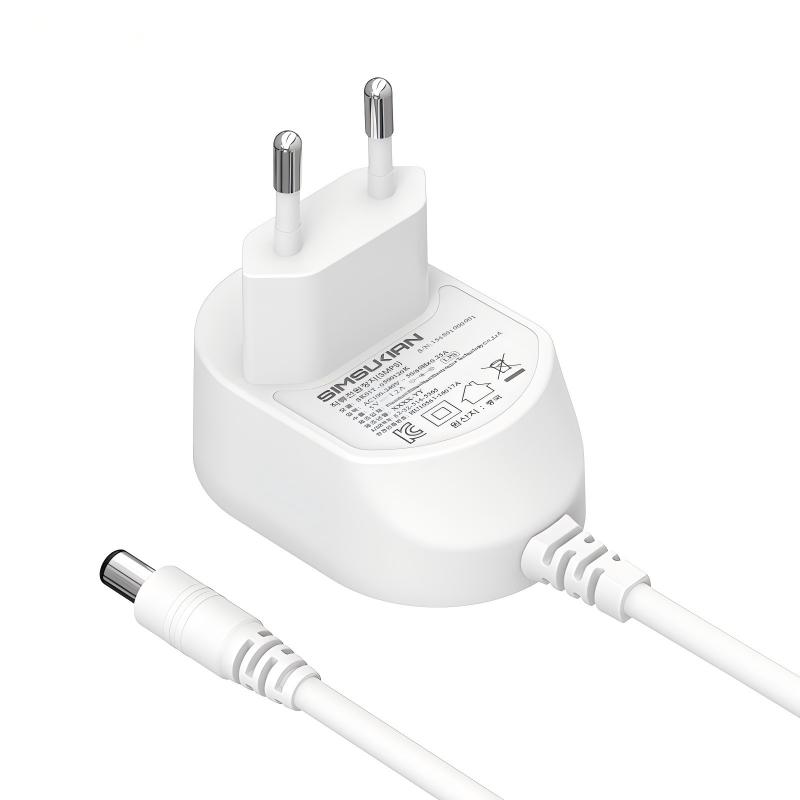
The integrated structure of plug-in power adapter leaves limited internal space and restricts the layout of filter components, making ripple suppression more difficult than desktop power adapters. Low-cost simple versions only use single-stage capacitor filtering with full-load ripple over 250mV and cannot serve precision devices. High-quality plug-in power adapter uses π-type filter combination of common-mode inductors, ceramic capacitors and low-ESR electrolytic capacitors to attenuate high and low frequency noise simultaneously.
2. Ripple Test Standard and Actual Measurement Method of Plug-in Power Adapter
Ripple test for plug-in power adapter requires an oscilloscope with bandwidth ≥20MHz and dedicated isolated probe. A 47μF electrolytic capacitor and a 0.1μF ceramic capacitor are connected in parallel to simulate rear load. Standard test condition: 25℃ ambient, AC230V rated input, full load. Peak ripple of qualified products ≤120mV. Ripple under light load (25% rated load) also needs control. Many switching power supplies enter burst mode under light load, causing sharp ripple rise and malfunction of low-power IoT devices.
Temperature changes alter capacitor ESR and affect ripple performance. Plug-in power adapter needs to complete 24-hour temperature cycling reliability test between -20℃~+60℃. Output ripple is continuously recorded. Qualified products have ripple variation ≤30mV to guarantee undistorted terminal signal under extreme cold or hot outdoor conditions.
3. Hazards Caused by Excessive Ripple for Different Overseas Terminal Devices
For industrial sensors, excessive ripple from plug-in power adapter leads to drift of analog signal sampling and unstable collected data. For HD cameras, ripple noise triggers horizontal stripes and screen flicker. Portable auxiliary medical devices are most sensitive to power noise; excessive ripple distorts measurement data and brings operational risks. For these products launched in EU and North America, power ripple data is mandatory in test documentation.
Many overseas buyers encounter the situation that samples pass ripple test while mass production batches degrade. The root cause is low-cost plug-in power adapter using inferior electrolytic capacitors with discrete ESR parameters. Capacitor performance decays after long aging and ripple worsens gradually. Reliable manufacturers adopt 105℃ long-lifespan electrolytic capacitors and conduct batch sampling ripple inspection to guarantee consistency.
4. Ripple Evaluation Suggestions for Selecting Plug-in Power Adapter in Overseas Projects
During selection, overseas buyers should not only check datasheet nominal values. They need suppliers to provide oscilloscope waveform reports covering full load, half load and light load ripple data. Confirm ripple variation under high and low temperature if equipment runs outdoors or in cold storage with large temperature fluctuation.
Besides, the output wire length of plug-in power adapter influences ripple. Longer wires pick up more high-frequency noise. In hardware design, shorten the wiring from power supply to load as much as possible. Secondary filter circuits can be added at equipment input when necessary. For high-precision devices, customized plug-in power adapter can be requested to further reduce ripple noise.
Conclusion
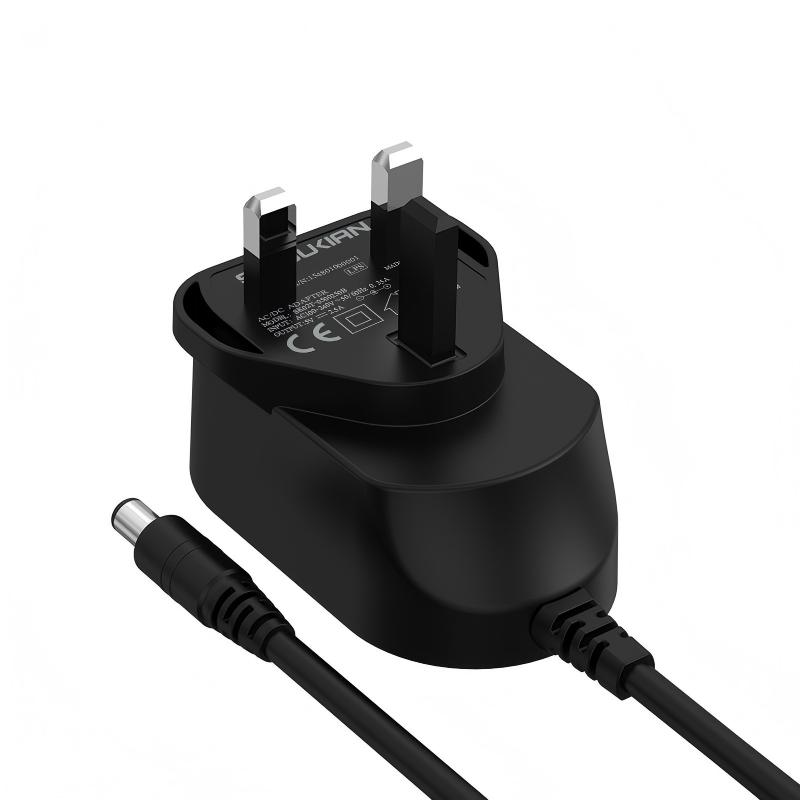
Output ripple of plug-in power adapter is critical for stable operation of precision terminals. High-quality products adopt π-type filter circuit to control full-load ripple below 120mV and pass temperature cycling verification with small ripple variation under wide temperature range. For overseas procurement of industrial sensors and cameras, buyers must verify measured ripple waveform reports to avoid signal faults of end devices. If you need customized plug-in power adapters complying with global safety standards, contact SenShuQiang for solutions and sample testing.
Sources
1. IEC 61010-1 Safety standard for electrical equipment for measurement, control and laboratory use
2. IEC 62368-1 Audio/video, information and communication equipment standard
3. JEITA RC-9131 Switching power supply ripple test specification
Power adapter
Power adapter
NewUpdates
Related Articles More>>
- Lifetime Evaluation for Power Adapter: Accelerated Aging Test and MTBF Calculation Explained
- Temperature Rise & Aging Bench Test Analysis for Interchangeable Plug Power Adapter
- Power Purity & Precision Equipment Adaptation Guide for Convertible Pin Power Adapters
- Key Selection Criteria & Energy Efficiency Analysis for Desktop Power Adapters