

Abstract
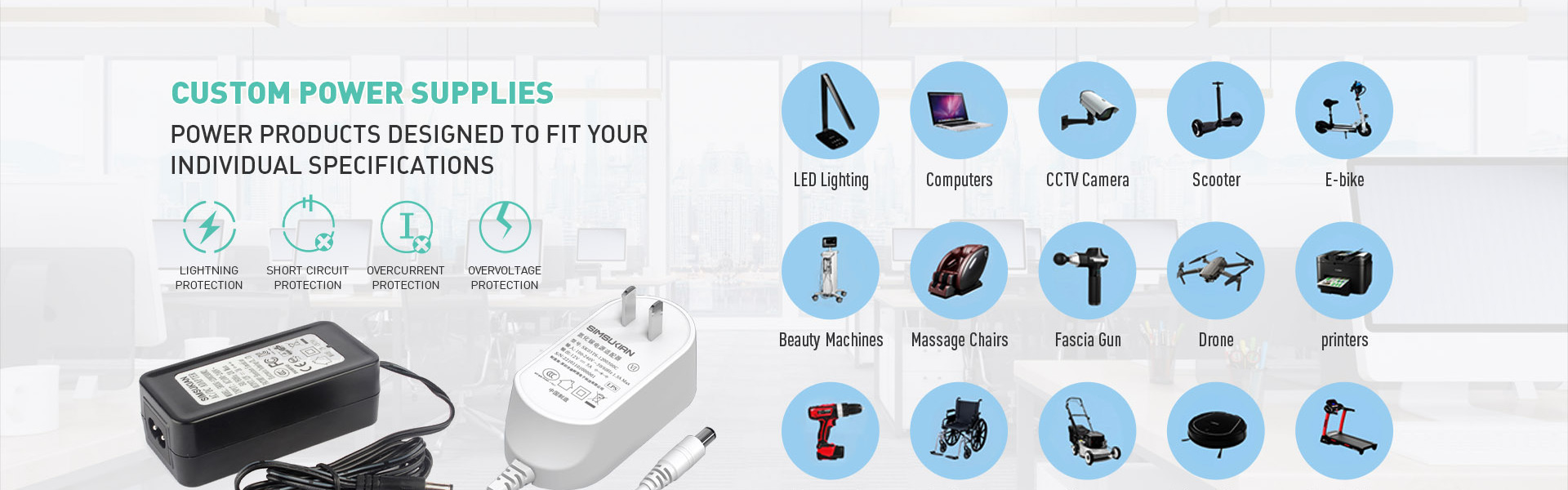
The core parameters of a desktop power adapter center on three dimensions: input voltage range, efficiency level, and safety certification. Drawing on publicly available industry technical data, this helps international buyers understand product selection essentials and ensure that the desktop power adapters they procure comply with the regulatory requirements of target markets.
I. Input Voltage Range and Electrical Specifications
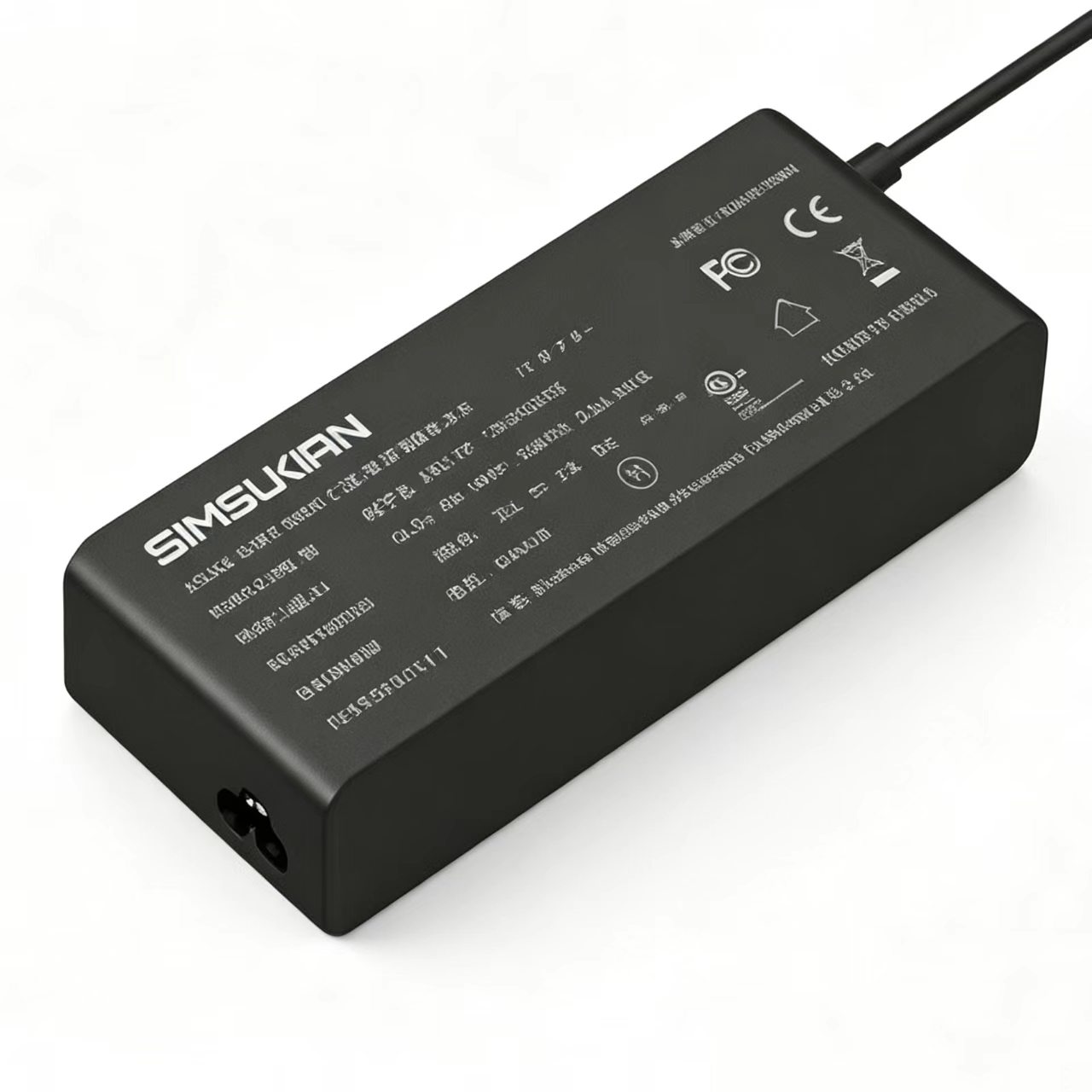
The universal input voltage range of a desktop power adapter is typically 90 to 264VAC, with a frequency of 47 to 63Hz. This wide-range design enables stable operation across different mains standards worldwide—North American 115V, European 230V, and Asian 100V grids—without additional transformers.
In terms of output parameters, a typical desktop power adapter delivers DC output voltages ranging from 5V to 48V, with rated power from 12W to 90W. Voltage accuracy is generally maintained within ±5%, with line regulation around ±3% and load regulation around ±5%. Ripple and noise are key indicators of output quality, typically expressed in millivolts peak-to-peak, with stricter requirements for low-voltage output models.
Hold-up time reflects the ability of a desktop power adapter to maintain output after input power interruption. At 115VAC full load, typical hold-up time is 10 milliseconds; at 230VAC, it can reach 20 milliseconds. This parameter matters for end devices that must ride through short voltage dips, and it is a common consideration when selecting a desktop power adapter.
II. Efficiency Level and Regulatory Compliance
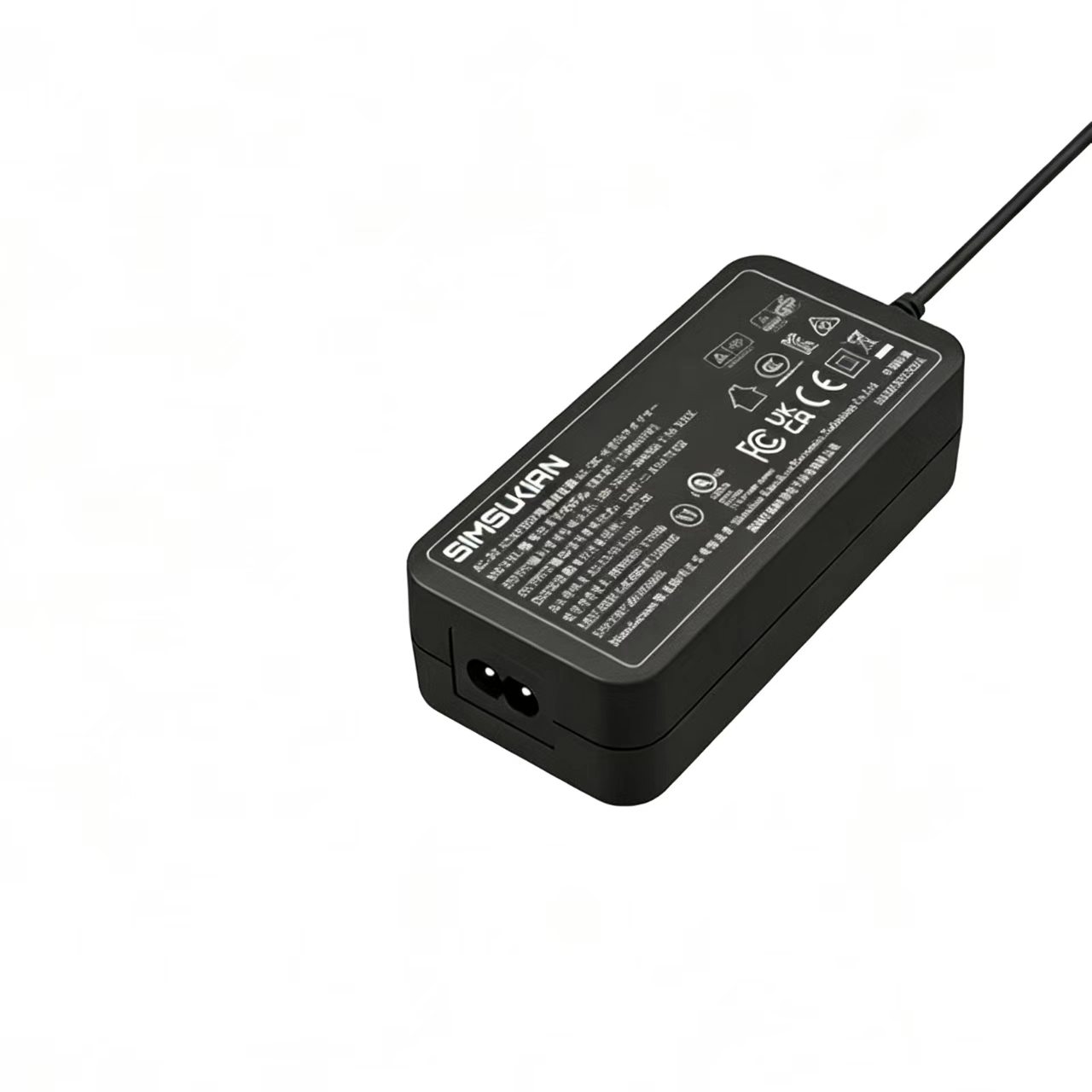
Efficiency level is one of the core thresholds for a desktop power adapter entering international markets. The U.S. Department of Energy DoE Level VI standard sets mandatory requirements for no-load power consumption and average efficiency: for single-voltage adapters with rated power between 1W and 49W, no-load power consumption must not exceed 0.100W, and average efficiency must meet a specified formula-based value.
The EU Ecodesign Regulation (EU) 2019/1782 similarly regulates the energy performance of desktop power adapters and has been updated by (EU) 2025/2052, further tightening limits and expanding scope. In actual product testing, a 45W-class desktop power adapter can achieve typical efficiency above 87%, with no-load power consumption controlled within 0.21W.
For products targeting multiple markets, selecting a desktop power adapter that simultaneously meets DoE Level VI and EU energy efficiency requirements can effectively reduce compliance risks. Energy performance affects not only market access but also the long-term operating cost of a desktop power adapter.
III. Safety Standards and Protection Functions
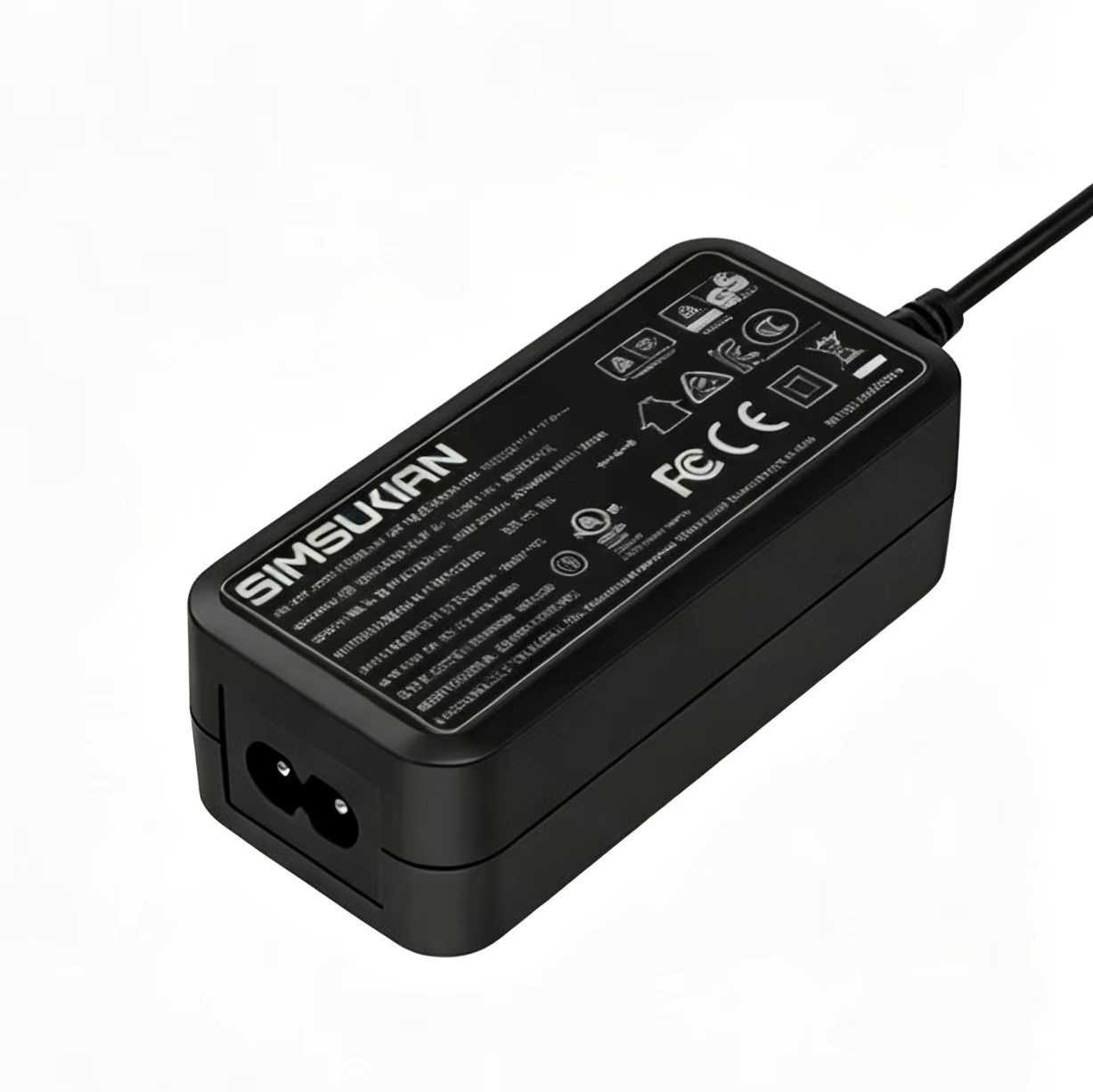
Safety certification directly determines whether a desktop power adapter can legally enter its target market. IEC 62368-1 is the foundational safety standard for audio/video, information technology, and communication equipment. The EU has implemented it as EN IEC 62368-1:2024+A11:2024, replacing the former EN 60950-1 and EN 60065.
Based on hazard-based safety engineering principles, this standard classifies energy sources into electrical, thermal, and fire categories, requiring desktop power adapters to maintain a safe state under various fault conditions. In terms of protection functions, standard configurations include overvoltage protection, overcurrent protection, and short circuit protection.
Grounding and leakage current parameters are equally important. The leakage current of a desktop power adapter at 264VAC input typically does not exceed 0.25mA. The operating temperature range is generally 0 to 40 degrees Celsius, and the input interface commonly adopts the IEC 320 standard type. In addition, the enclosure flammability rating of a desktop power adapter is typically required to meet UL 94 V-0 to address thermal events caused by internal faults.
Conclusion
Selecting a reliable desktop power adapter requires comprehensive evaluation of input voltage range adaptability, efficiency level compliance, and safety certification completeness. Every technical parameter directly affects the usability and legality of the product in its target market.
Sunshuqiang has deep expertise in the power adapter field, providing desktop power adapter solutions that meet international standards for global customers. For detailed technical specifications or to discuss customization needs, please contact the Sunshuqiang team.
Sources
1.IEC 62368-1:2023 "Audio/video, information and communication technology equipment – Part 1: Safety requirements," International Electrotechnical Commission
2.U.S. Department of Energy (DoE) 10 CFR Part 430 Appendix Z, Energy Conservation Standards for External Power Supplies
3.Commission Regulation (EU) 2019/1782, Ecodesign requirements for external power supplies
Power adapter
Power adapter
Related Articles More>>
- Overseas Solution for Industrial Smart Terminals|High-Density and Stable Power Supply with SiC Power Adapter
- Power Purity & Precision Equipment Adaptation Guide for Convertible Pin Power Adapters
- Standards for High-Low Temperature Burn-in Test and Long-term Stability Verification of Power Adapters
- EMI EMC Test & Overseas Market Access Guide for Desktop Power Adapter