

Abstract
Overseas electronic devices often work under 24-hour continuous power, large temperature difference and outdoor storage conditions. The temperature resistance and aging stability of Power Adapter determine overall equipment service life. Based on IEC 60068 environmental standards, this article introduces full-load power aging, thermal cycling and high/low temperature storage parameters of Power Adapter, analyzes performance degradation and startup failure under extreme temperatures, helping overseas teams evaluate long-term reliability of Power Adapter for industrial, outdoor and smart home applications.
1. Importance of Aging Test for Power Adapter
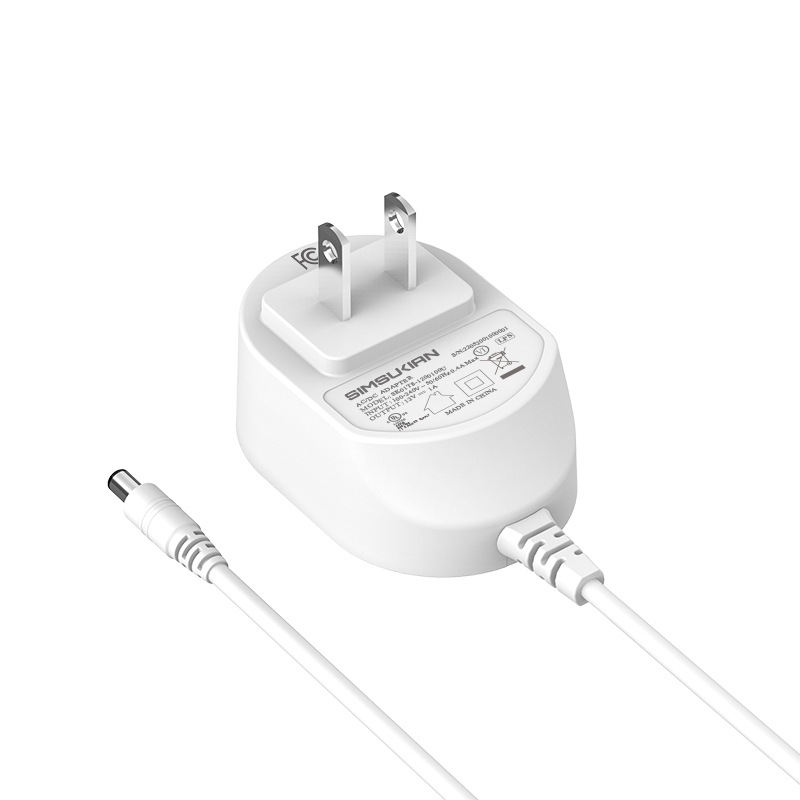
New Power Adapter samples usually show qualified appearance and electrical parameters, but hidden defects such as capacitor attenuation, solder joint aging and insulation degradation may occur after long-term operation and temperature change. Standard aging tests simulate full-life-cycle working conditions to expose potential risks and ensure batch stability of Power Adapter.
2. Standard Aging Test Parameters of Power Adapter
Full-load Aging: 48-hour continuous full-load operation at 25℃ ambient temperature; no abnormal protection or performance degradation for qualified Power Adapter.
Thermal Cycling: 500 temperature cycles from -20℃ to +60℃; no housing crack, solder detachment or parameter drift after testing.
Temperature Storage: Storage range -40℃~+85℃ to adapt to high-temperature and humid container transportation.
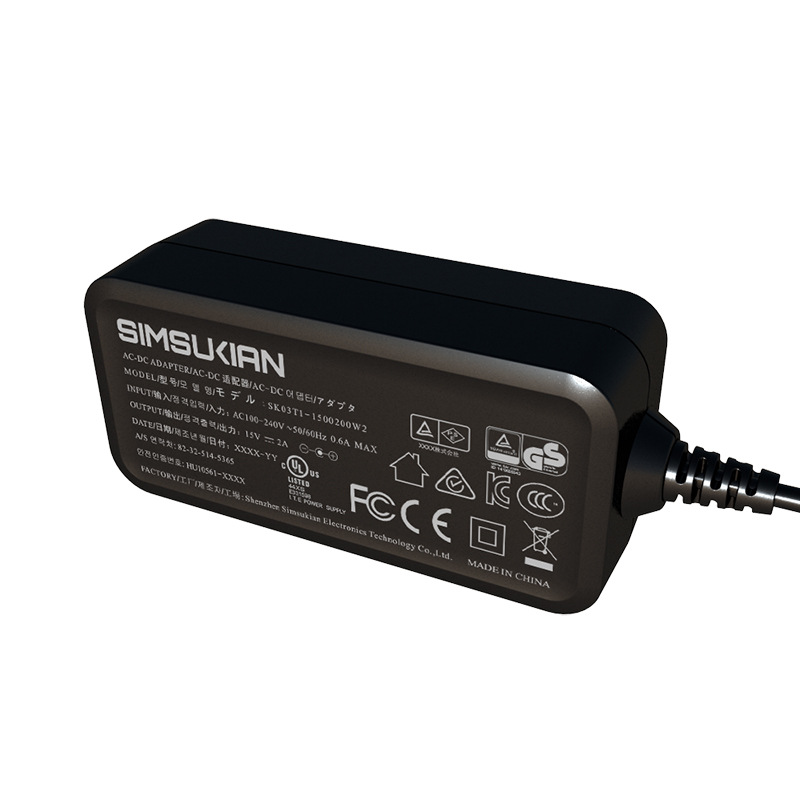
Temperature Rise: Max shell temperature rise ≤35K under rated load to slow down component aging.
3. Common Failure Modes Under Extreme Temperatures
High-temperature operation causes capacitance attenuation and ESR increase, leading to larger ripple and unstable output of Power Adapter. Low-temperature environment reduces component activity, resulting in difficult startup and insufficient load capacity. Repeated thermal cycles cause PCB deformation and virtual soldering, triggering intermittent power failure.
4. Aging Report Verification Tips for Overseas Procurement
Verify complete aging test data and curves instead of only checking new sample parameters. Focus on voltage accuracy, ripple change and temperature rise after 48h full-load aging. Prioritize industrial-grade Power Adapter with low performance attenuation after thermal cycling.
Conclusion
Aging test is the core method to verify long-term reliability of Power Adapter. Full-load operation, thermal cycling and extreme temperature storage tests fully evaluate product life-cycle performance. Strict data verification is essential for overseas complex working conditions to avoid batch failures. Contact SenShuQiang for high-stability temperature-resistant Power Adapter solutions.
Sources
1. IEC 60068-2-1 Environmental testing low temperature procedure
2. IEC 60068-2-2 Environmental testing high temperature procedure
3. IEC 60068-2-14 Temperature cycling test specification
Power adapter
Power adapter
Related Articles More>>
- Cross-border Adaptability & Pin Specification Selection Guide for Convertible Pin Power Adapters
- Structural Reliability & High-temperature Stability Evaluation for Convertible Pin Power Adapters
- Key Points of Safety Certification and Insulation Performance of Plug-in Power Adapter
- In-depth Analysis of Power Density and Thermal Control Performance of PD GaN Fast Chargers