

Article Summary
A PD GaN fast charger is judged by PPS granularity, PD 3.1 EPR tiers, ripple under load, multi-port re-negotiation and 62368-1 files — not just "65 W GaN". This guide covers the technical parameters and specifications buyers miss when comparing a PD GaN fast charger only by wattage and port count.
PPS Beats Fixed PDOs
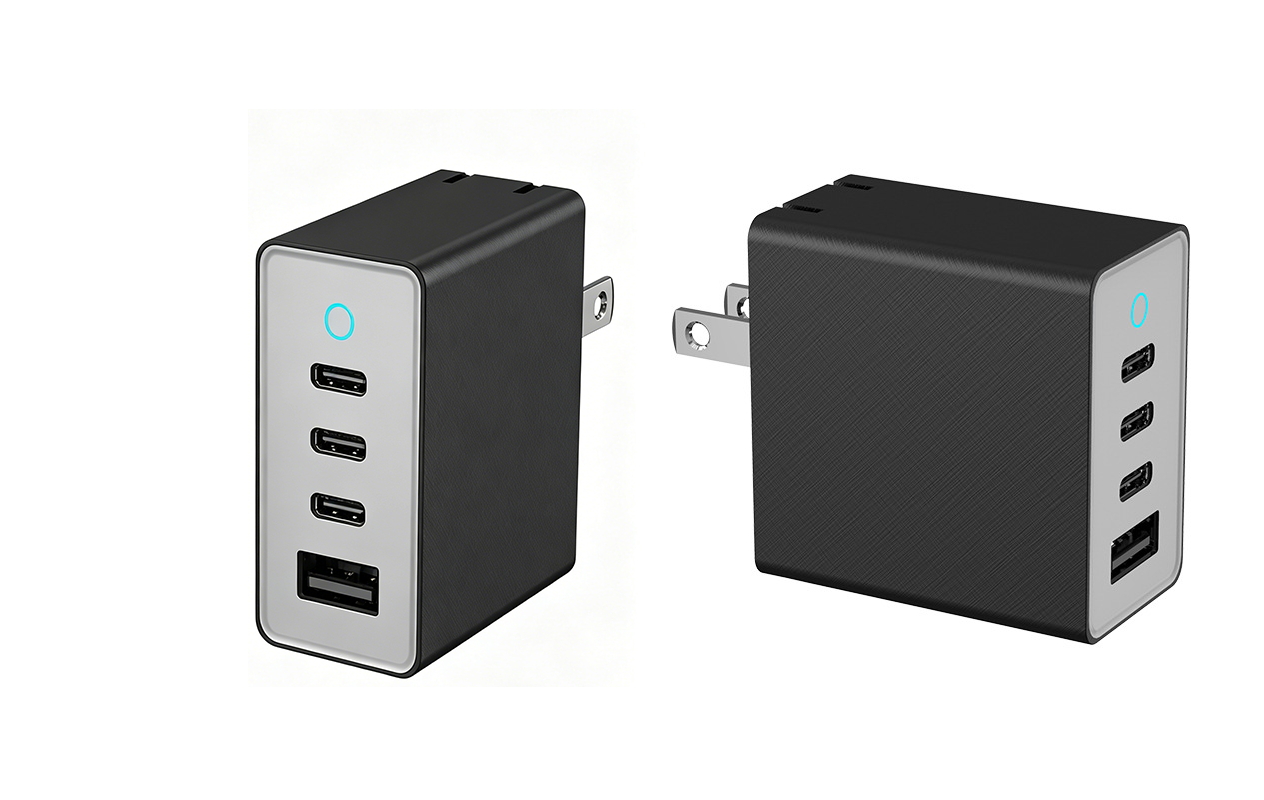
A PD GaN fast charger lives or dies by negotiation quality. Fixed PDOs — 5 V, 9 V, 12 V, 15 V, 20 V — are fine for laptops. Phones and tablets want PPS: voltage requested in ~20 mV steps, current tuned to battery state of charge. A PD GaN fast charger with real PPS keeps the phone's internal charge IC cooler because the adapter, not the battery buck stage, does most of the voltage drop. Spec sheets that say "PD 3.0" but omit the PPS object are not the same product.
PD 3.1 EPR Changes the Brick
A PD GaN fast charger at 140 W adds 28 V/5 A; 240 W adds 36 V and 48 V rails. That means an E-Marker cable, tighter creepage, PFC plus QR/ACF or PFC plus LLC, and thermal padding the 30 W class never needed. A PD GaN fast charger that claims "PD 3.1" but ships with a 60 W cable will fall back to 20 V/5 A under a real MacBook load — the buyer paid for a label, not the wattage.
Ripple Is Where Cheap GaN Shows Up
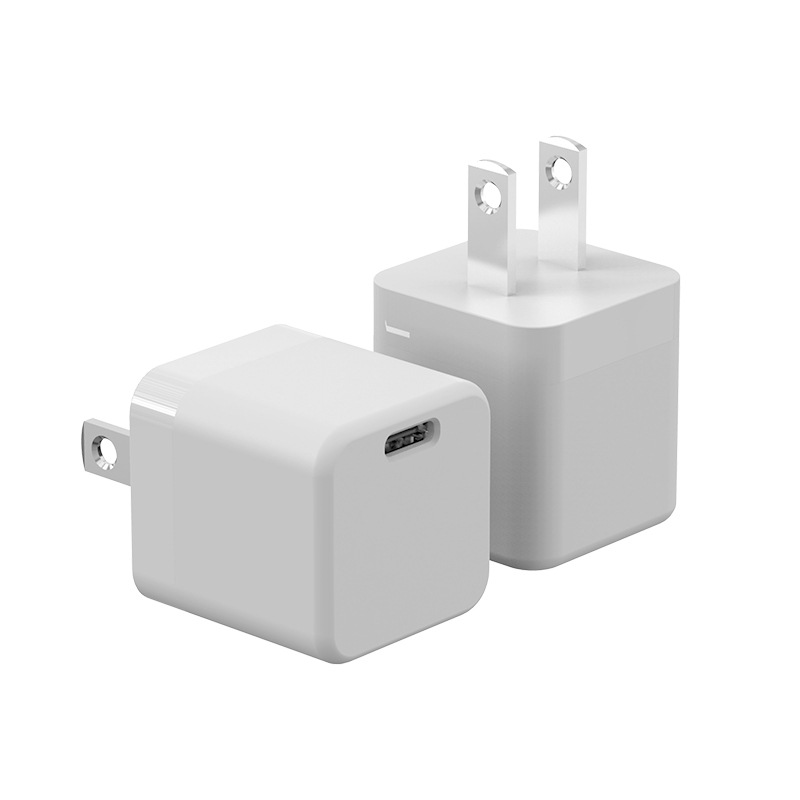
GaN switches fast. Done badly, dV/dt couples into the USB-C shield and the screen flickers. A PD GaN fast charger should publish ripple at 20 MHz bandwidth: good 65 W units sit under 100 to 120 mVp-p, strong 140 W designs stay near 100 mVp-p, weak ones drift to 200 to 300 mVp-p. Ripple is not cosmetic — it heats output caps, jitters camera modules and shortens battery life. A PD GaN fast charger rated "92% efficient" with 280 mVp-p ripple is a thermal bomb with good marketing.
Multi-Port Allocation Is a Firmware Problem
Two-port and three-port units negotiate constantly. A PD GaN fast charger may say "65 W plus 30 W", but the real question is what happens when a laptop wakes from sleep and a phone finishes PPS charging. Does the port re-handshake in 1.5 seconds or 0.4 seconds? Does the 9 V rail dip below 8.7 V and reset the earbuds? A PD GaN fast charger with bad allocation logic makes users think their laptop is broken. Good firmware holds the active port, ramps the idle port, and never lets total power exceed the thermal budget of the enclosure.
Thermal Budget, Not Marketing Watts
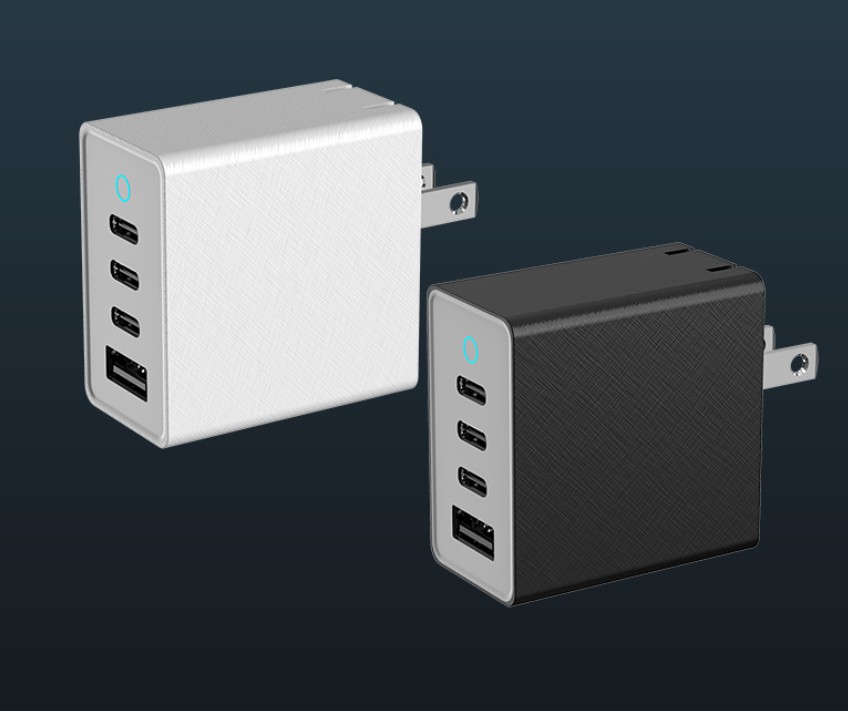
A PD GaN fast charger at 140 W in a small shell has almost no air. GaN cuts switching loss, not all loss. PFC inductor, sync rectifier and the USB-C connector itself still get hot. Shell temperature at 25 °C ambient should stay under about 70 °C for touch safety; many public 140 W models cross 78 °C and throttle after 18 to 20 minutes. A PD GaN fast charger that throttles silently is worse than one that admits it runs 45 W after 20 minutes. Ask for the 20-minute load curve, not the 1-minute peak.
EMC and Certification Packaging
A PD GaN fast charger still answers EN 55032 Class B, IEC 61000-4-2 ESD, 61000-4-4 EFT and 61000-4-5 surge. Faster edges need better CM chokes, Y-cap return paths and shielded windings — not fewer. Safety is IEC/EN/UL 62368-1; market access adds CE, FCC Part 15B, UKCA, PSE, KC, RCM, BIS. A PD GaN fast charger that changes GaN die, transformer or housing must re-run the file. "GaN inside" never replaced a test report.
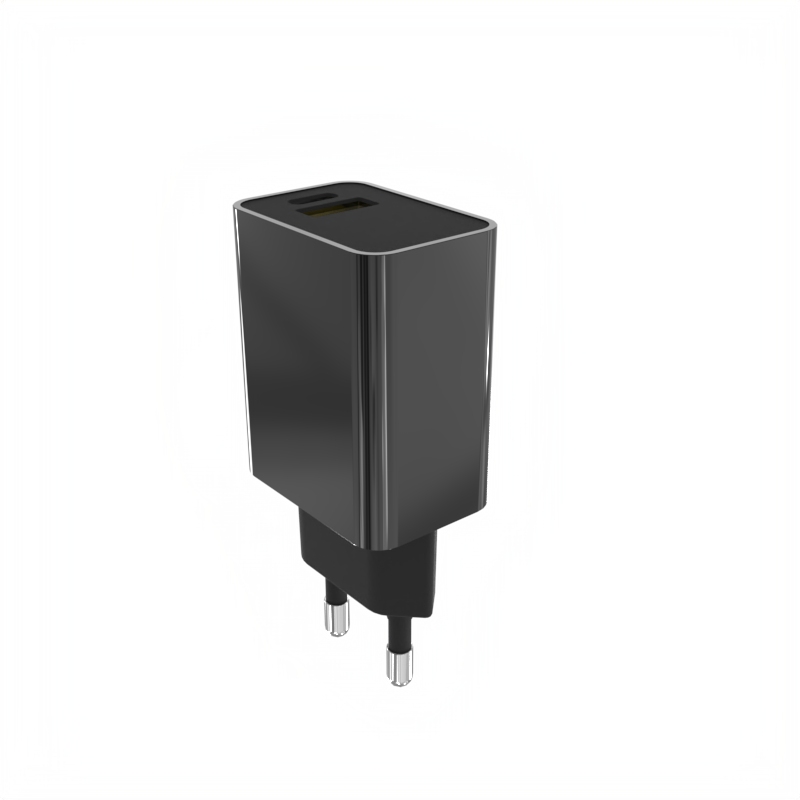
When Not to Specify GaN
A PD GaN fast charger below 20 W rarely pays back. Silicon QR flyback is cheaper, cool enough and good enough for 5 V/9 V phone bricks. GaN wins at 30 to 65 W portable, 100 to 140 W laptop, and 200 to 240 W multi-device bricks where volume, heat and PPS curve fidelity matter. Specifying GaN at 18 W just to sound modern inflates BOM and still fails PPS if the controller is cheap.
Conclusion
A PD GaN fast charger is a protocol stack, a thermal envelope and an EMC design wearing a "65 W / 140 W" sticker. Read PPS step size, PD 3.1 EPR support, ripple at 20 MHz BW, multi-port re-handshake time, 20-minute thermal curve and the actual 62368-1 report. Wattage is the ad. The negotiation, ripple and thermal model are the product.
If your team is building or sourcing a PD GaN fast charger for laptops, phones and multi-device kits, and needs help turning PPS behavior, PD 3.1 EPR tiers, ripple limits and multi-region safety files into a shippable spec, Simsukian provides GaN charger evaluation, sample builds and certification support. Reach out to Simsukian with your target wattage, port mix and export markets.
Sources
1.USB Implementers Forum. USB Power Delivery Specification / USB Type-C (PD 3.0, PD 3.1 EPR, PPS, PDO negotiation). https://www.usb.org/usb-charger
2.IEC. Audio/video, information and communication technology equipment — Part 1: Safety requirements (IEC 62368-1). https://webstore.iec.ch/b/62368
3.CENELEC. EN 55032 — Electromagnetic compatibility of multimedia equipment and EU ErP Regulation (EC) 2019/1782 for external power supplies. https://www.cenelec.eu/ and https://eur-lex.europa.eu/eli/reg/2019/1782/oj
Power adapter
Power adapter
Related Articles More>>
- Desktop Power Adapters: Technical Parameters and Specs US Buyers Must Verify
- 20W PD GaN Fast Charger Industry Advantages & B2B Procurement Compliance Guide
- Cost Optimization for Power Adapter: Optimize Bill of Materials Without Sacrificing Reliability
- Technical Standard and Measurement Specification for Level VI Energy Efficiency of Power Adapters