

Abstract
During power supply development, matching design of Conversion Pin Adapter and main power unit affects overall safety and power stability. This article introduces mechanical docking and electrical rating matching principles of Conversion Pin Adapter, uses contact resistance and aging parameters to analyze overheating and loose connection risks caused by mismatching, helping overseas engineers select proper Conversion Pin Adapter.
1. Importance of Matching between Conversion Pin Adapter and Power Supply
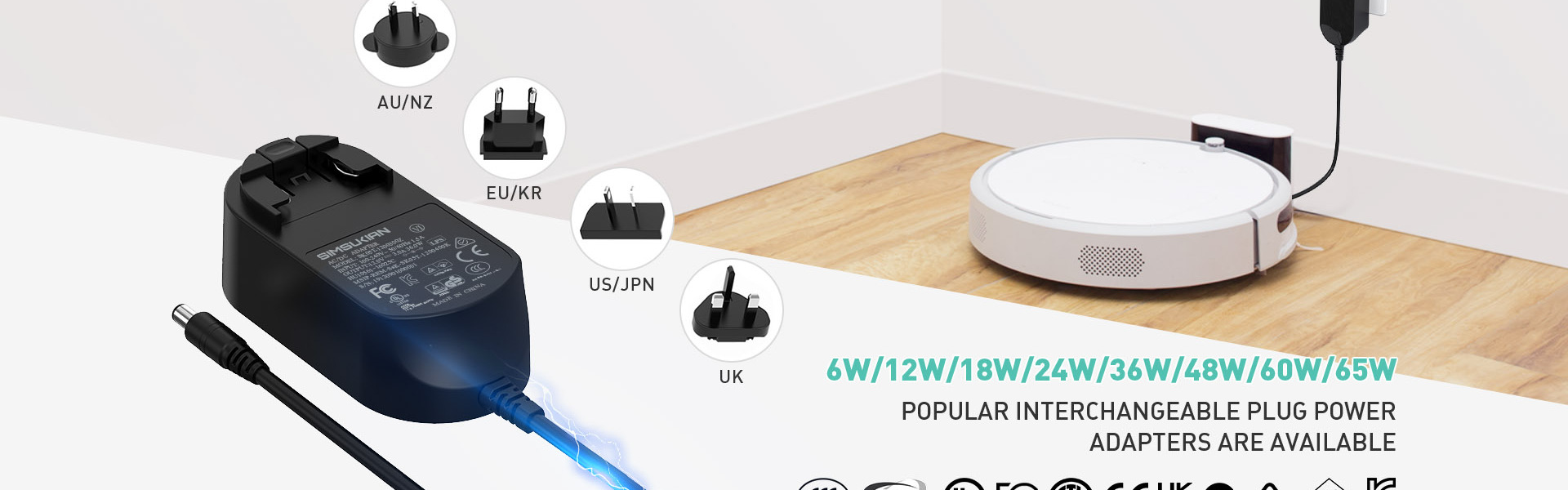
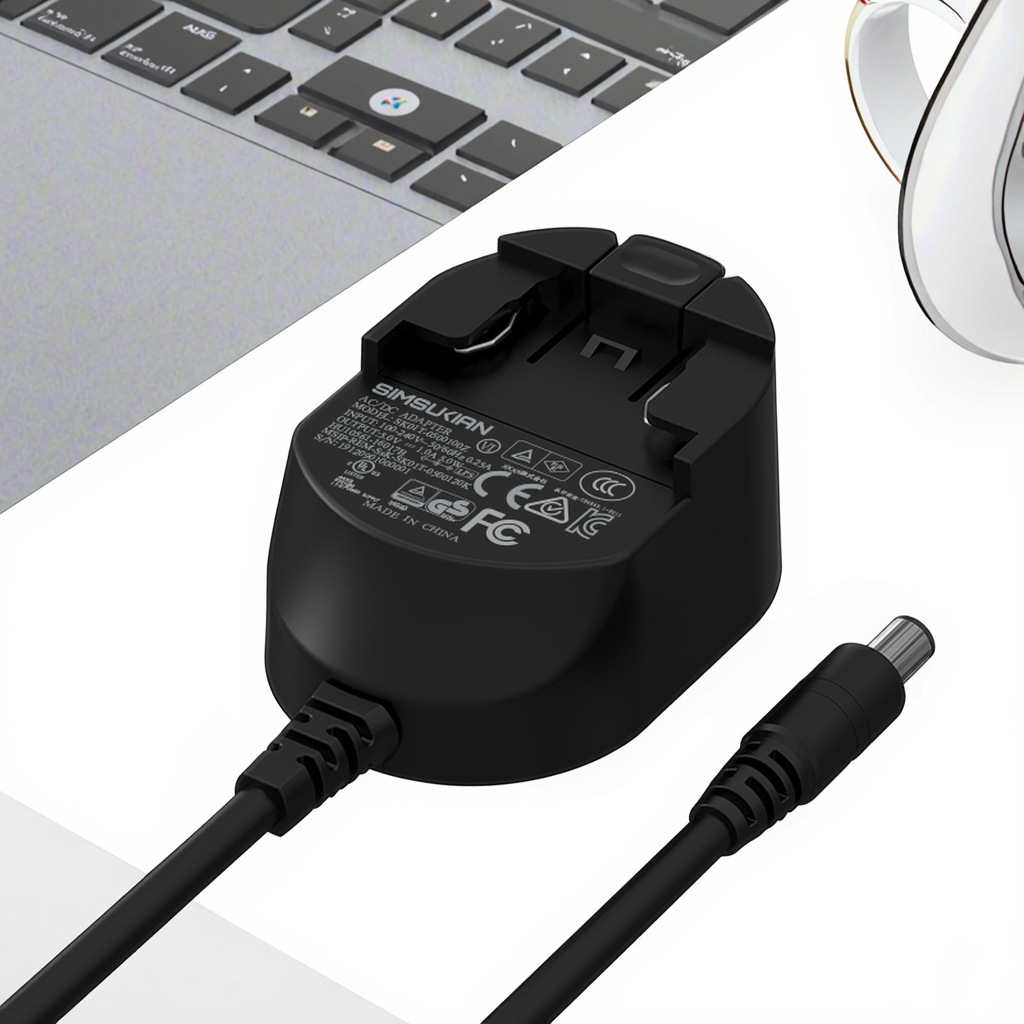
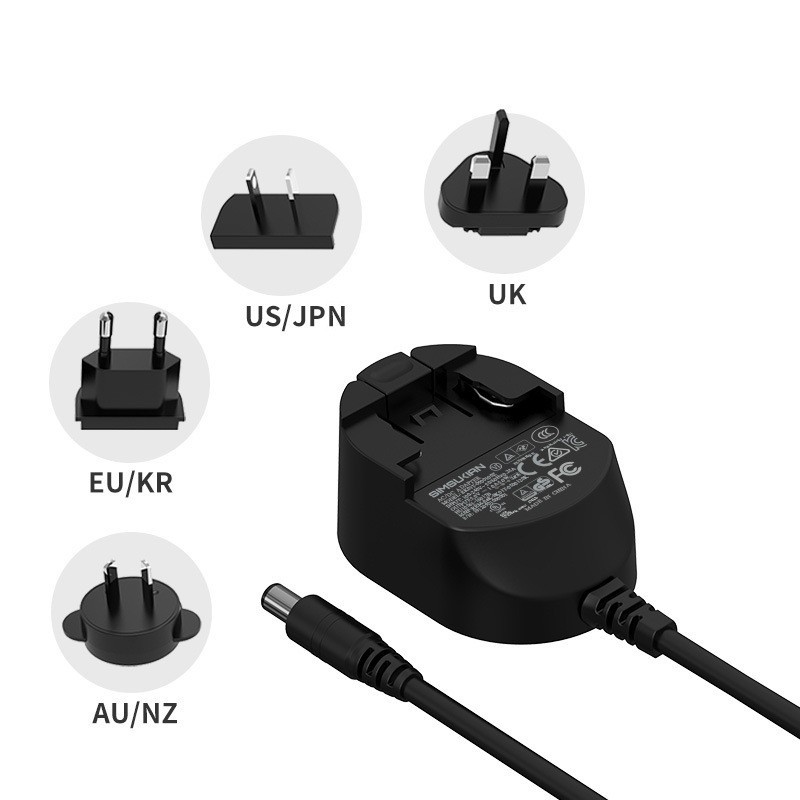
Many engineers design power main unit first and select Conversion Pin Adapter later, leading to misalignment and poor contact. Conversion Pin Adapter and power main body form one integrated system and cannot be evaluated separately. Rated current, spring structure and clip dimension of Conversion Pin Adapter must match power port.
Poor matching between Conversion Pin Adapter and power unit causes abnormal assembly gap, loose contact after plugging and heat generation, reducing safety margin. Evaluate Conversion Pin Adapter at early design phase.
2. Electrical and Mechanical Parameters for Matching Design of Conversion Pin Adapter
Electrical matching: rated current of Conversion Pin Adapter ≥ max input current of power supply, AC100–250V, 50/60Hz. Contact resistance ≤20mΩ, contact resistance increase ≤50% after 10,000 plug cycles. AC3000V withstand voltage, insulation resistance ≥100MΩ, housing UL94 V0.
Mechanical matching: clips of Conversion Pin Adapter fit slots of power unit. Assembled Conversion Pin Adapter withstand 60N tension for 60s without separation. After 500 thermal cycles and 72h full-load aging, clips do not deform and assembly gap remains stable. Operating temperature -20℃~+60℃.
3. Typical Failures Caused by Mismatched Conversion Pin Adapter
First, rated current of Conversion Pin Adapter is lower than max input current of power supply; metal parts of Conversion Pin Adapter overheat under heavy load. Second, mismatched clip size prevents full locking of Conversion Pin Adapter, resulting in poor contact and heat. Third, unmatched spring tension causes contact resistance rise and intermittent power cut after repeated plugging of Conversion Pin Adapter.
Some projects purchase power supplies and Conversion Pin Adapter from separate vendors. Poor compatibility is only found in system certification, triggering mold revision and delayed schedule.
4. Joint Verification Process of Conversion Pin Adapter for Complete Equipment
At early development stage, run joint tests with samples of Conversion Pin Adapter and power unit, including assembly test, plug durability, full-load aging and thermal cycling. Monitor contact resistance change of Conversion Pin Adapter during testing.
Complete joint test before system safety certification. If vendor or structure of Conversion Pin Adapter is changed, all joint tests must be repeated, old test data cannot be reused.
Conclusion
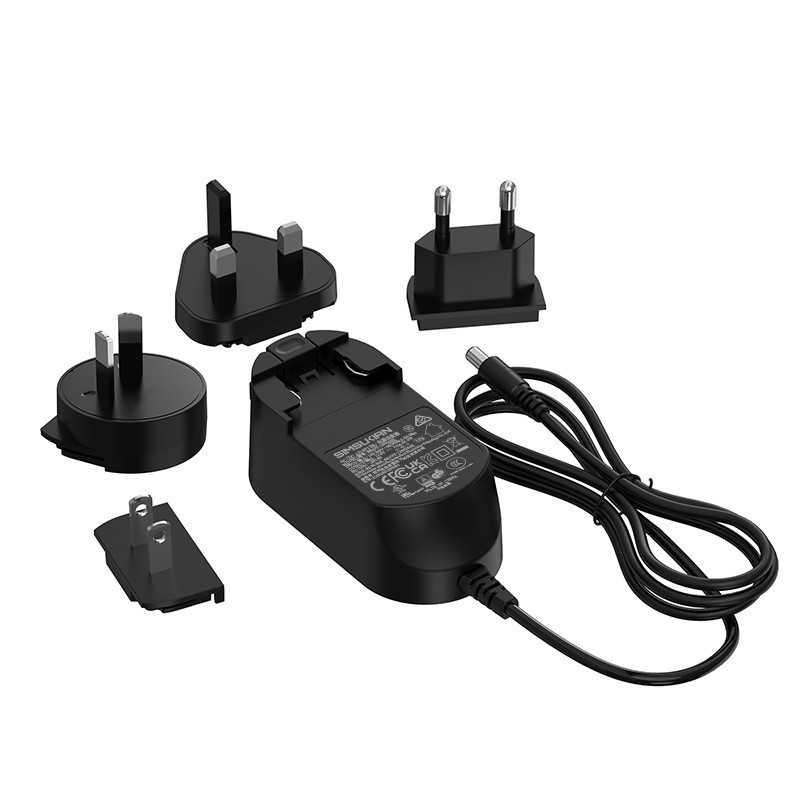
Conversion Pin Adapter cannot be treated as separate spare parts; co-design with main power supply is required. This article presents electrical rating and mechanical matching standards of Conversion Pin Adapter, analyzes overheating and power cut failures caused by mismatched Conversion Pin Adapter. Run joint verification in R&D phase to find defects early and cut mold modification cost. Contact SenShuQiang for procurement and customization inquiries.
Sources:
1.EN 50075 Matching specification for interchangeable pins and power main units
2.IEC 62368 1 Safety requirements for power supplies and external accessories
3.IEC 60512 2 1 Mating plug unplug durability test for connectors