

Abstract
Power devices of a power adapter generate heat during operation; thermal design directly affects lifetime. The power adapter controls temperature rise via heat sinks, thermal pads and derating. This power adapter covers temperature rise curve, housing temperature limit and derating ratio parameters, helping high-power applications run stably in high ambient temperature and extend service life.
1. Heat Source Analysis
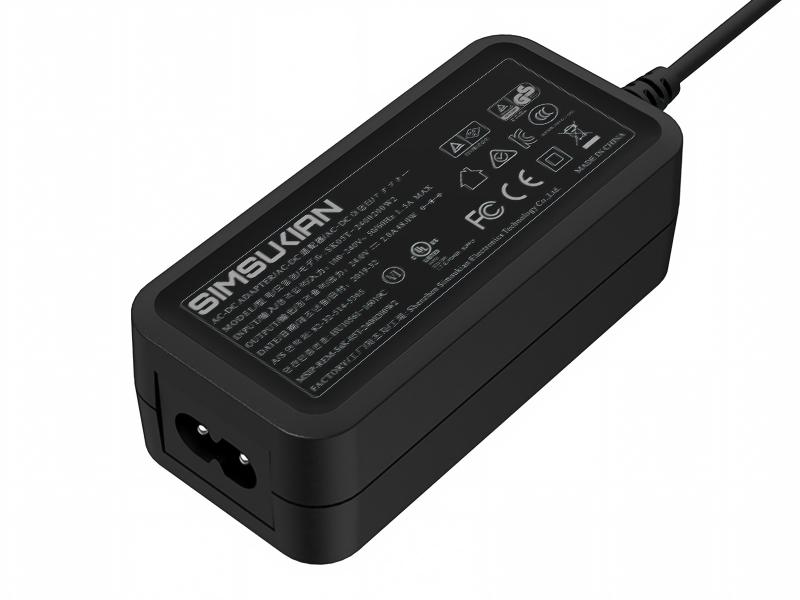
Main heat sources of the power adapter include switches, rectifiers, transformers and output capacitors. Power loss of the power adapter turns into heat that must be conducted away. Higher thermal density of the power adapter makes heat design more critical.
2. Temperature Rise Parameters
Steady-state housing temperature rise of the power adapter under full load is controlled within 35K. Internal power device temperature of the power adapter must stay below spec limits. At 25℃ ambient full load, housing of the power adapter typically stays under 70℃.
3. Derating and Thermal Protection
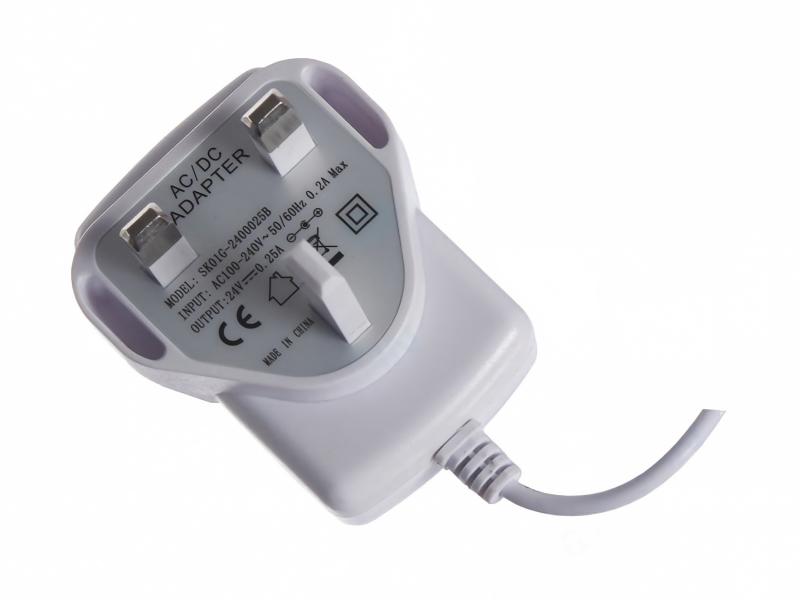
In high ambient temperature, the power adapter automatically derates to protect internal devices. Derating ratio of the power adapter is typically 70%-80% of rated power. Thermal protection of the power adapter cuts output on over-temperature.
4. Heat-Dissipation Material and Structure
The power adapter uses aluminum heat sinks and thermal pads to improve dissipation. Housing vents of the power adapter promote convection. Proper thermal path layout of the power adapter avoids local hotspots.
5. Value in High-Temperature Applications
Good thermal design of the power adapter ensures stable operation in data centers and outdoor high-temperature scenarios. It extends component life and lowers repair rate.
Conclusion
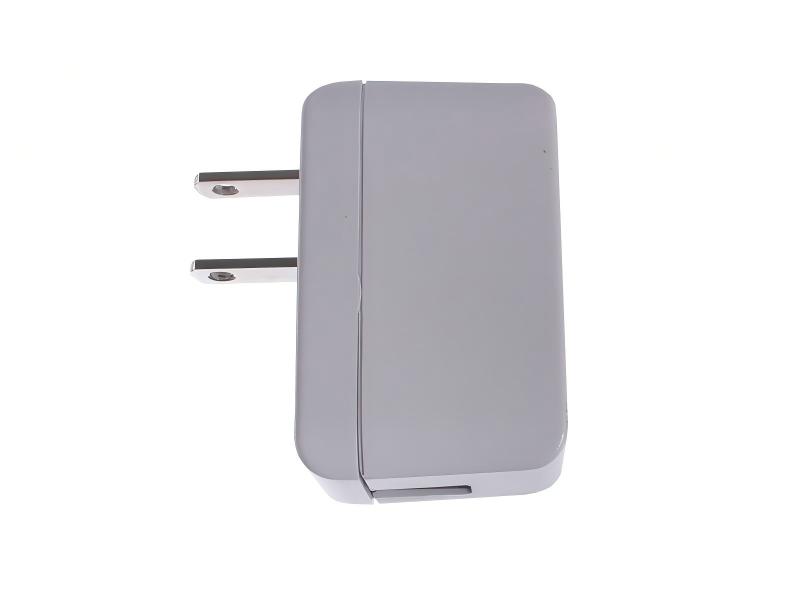
Mature thermal design of the power adapter controls temperature rise and guarantees high-temperature reliability. For a high-temperature enhanced power adapter, contact Simsukian for thermal test reports and samples.
References
1. IEC 62368-1 Audio/video, information and communication technology equipment safety standard
2. DOE Level VI External Power Supply Standard (US)
3. IEC 63002 Interoperability specifications for external power supplies
Power adapter
Power adapter
Related Articles More>>
- PD GaN Fast Charger - Semiconductor Principle and Power Density Technical Parameters
- Why Most Chargers Fail After Six Months
- B-side Purchasing Guide: Energy Efficiency and Aging Metrics for Desktop Power Adapter
- High-temperature Aging Performance & Long-term Reliability Evaluation for Genuine Chargers