

Abstract
A GaN fast charger performs well at medium and high load, yet light-load and no-load efficiency of the GaN fast charger still depends on control strategy. Calculating efficiency of the GaN fast charger at regulated load points keeps declarations consistent with measurements.
1. Efficiency Curve Shape and Sweet Spot
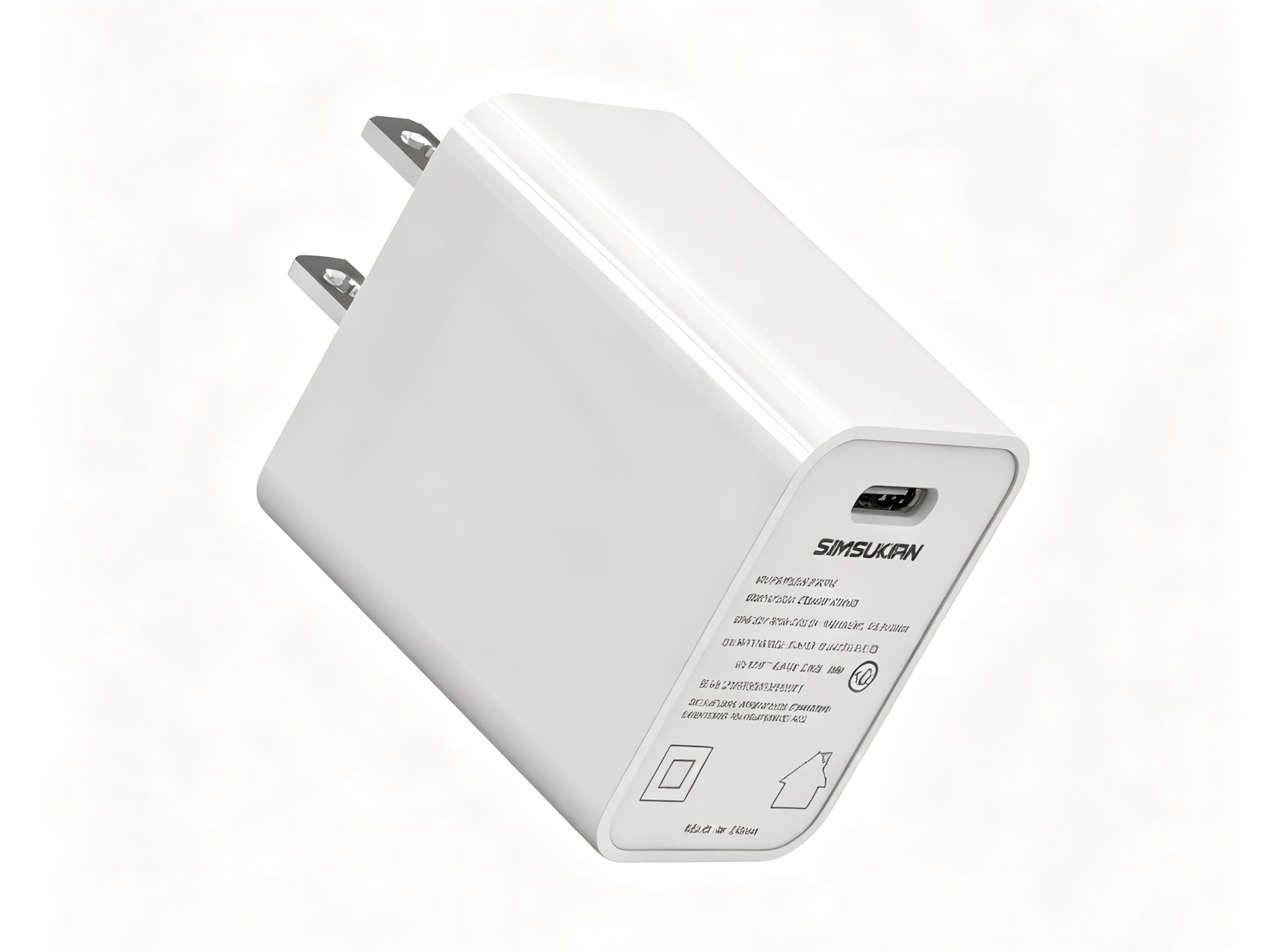
Loss in the GaN fast charger combines conduction, switching, core and drive terms whose shares vary with load, so the curve usually peaks at medium-high load. At very light load, switching loss dominates and efficiency of the GaN fast charger drops. Design should place the common operating range of the GaN fast charger in the efficient zone, since daily phone charging sits at medium load rather than full-load peak.
2. Light-load Efficiency and Burst Control
At light load the GaN fast charger enters burst or cycle-skipping mode to cut switching loss, but burst frequency in the audible band creates noise. Burst control of the GaN fast charger avoids the sensitive band while keeping output ripple within device limits. Light-load efficiency of the GaN fast charger also depends on quiescent current of auxiliary and drive circuits, which must be counted with main power loss.
3. No-load Power and Auxiliary Supply
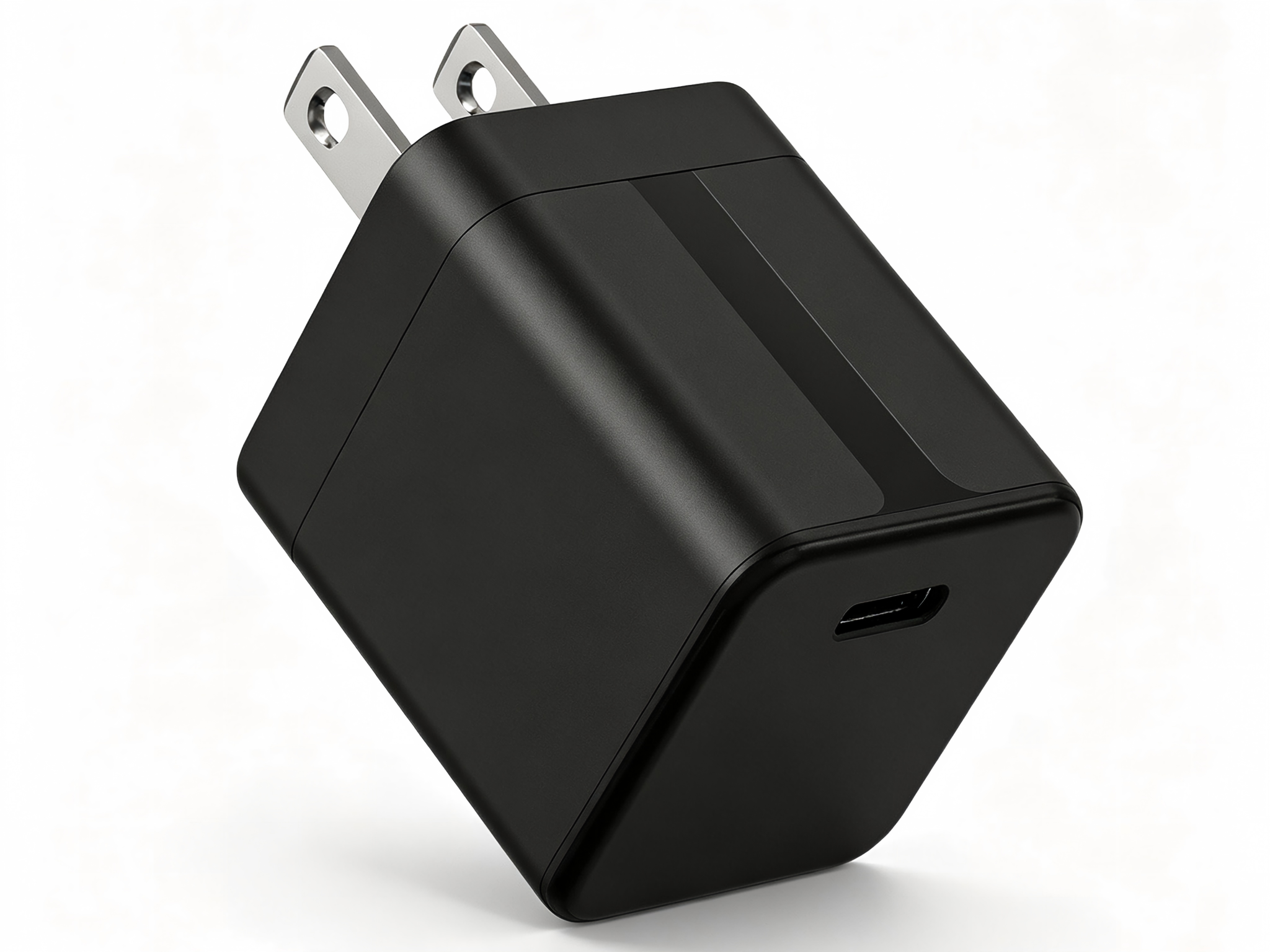
No-load power of the GaN fast charger comes mainly from the auxiliary supply, standby current of the protocol IC and leakage in the start-up circuit. Low-quiescent auxiliary designs that shut unused circuits in standby bring the GaN fast charger below regulatory limits. Bleeder resistors, indicator circuits and protocol polling intervals all affect readings, and tests of the GaN fast charger should use the stabilisation time defined by regulation.
4. Efficiency Regulation and Declared Data
For US and EU markets the GaN fast charger must meet external power supply efficiency rules, with no-load power and average efficiency limited by power band and tested at defined load fractions. Average efficiency of the GaN fast charger is calculated with regulatory weights, and low line is usually the worst point. Declared data must match production measurements, and material substitution or transformer change requires recalculation.
5. Trade-offs with Thermal Design and EMC
Raising efficiency of the GaN fast charger means cutting switching or conduction loss: faster switching helps the former but worsens EMC, while lower on-resistance costs more and takes space. The GaN fast charger faces clear trade-offs among efficiency, temperature rise and compatibility, and over-optimising one squeezes the others. Final data for the GaN fast charger should present a full operating curve rather than a single best point.
Conclusion
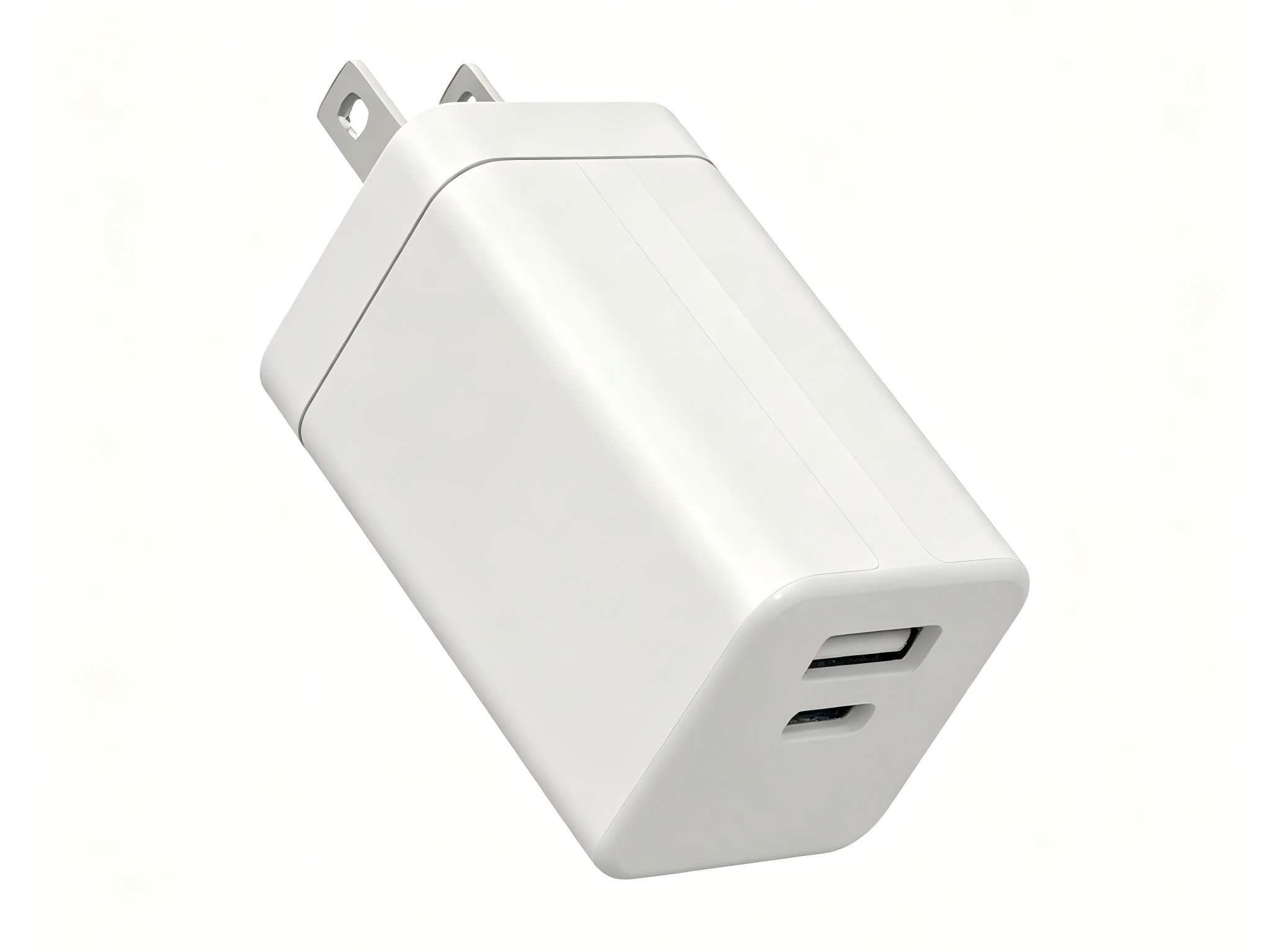
Efficiency of a GaN fast charger is a whole curve, and light-load plus no-load behaviour decides both compliance and user experience. Simsukian calculates efficiency data at regulated load points. Overseas buyers are welcome to contact Simsukian to confirm efficiency schemes for the GaN fast charger.
FAQ
Q1: Are the certifications complete and verifiable?
A1: Simsukian’s full product range covers major certifications including UL, CE, FCC, PSE, KC, SAA, UKCA, and CB. All certificates can be verified through official channels, effectively avoiding risks of fake, borrowed, or expired certificates that may cause customs clearance failure or platform delisting.
Q2: How is the quality stability and protection performance?
A2: All Simsukian products undergo 100% aging tests and are equipped with multiple protections including over-voltage, over-current, short-circuit, and over-temperature protection. They feature low ripple, low heat generation, and an average lifespan of approximately 50,000 hours, supporting long-term full-load stable operation.
Q3: Can products be customized? What are the sample and mass production lead times?
A3: OEM/ODM customization is fully supported, including voltage, current, connector, plug type, housing, and logo. Sample lead time is 5 days. Standard bulk order lead time is 18–20 days. Sample fees are refundable after placing a bulk order.
Q4: Do the products meet energy efficiency and standby power requirements?
A4: The full range meets DOE Level VI and higher energy efficiency standards. Some models achieve no-load power consumption ≤0.1W, complying with ErP and other international energy-saving regulations.
Q5: How are lead time, MOQ, and after-sales service guaranteed?
A5: As a source manufacturer with abundant stock of standard models, delivery is stable. Standard warranty is 1 year (free repair within the first year). Lifetime repair support is provided; after the first year, appropriate material and labor fees will be charged.
References
1. Simsukian Official Website
2. EU Regulation (EU) 2019/1782 Ecodesign requirements for external power supplies
3. US DOE 10 CFR Part 430 Subpart B Appendix Z
Power adapter
Power adapter
Related Articles More>>
- Design Guide for Power Adapter Compliance with International Safety Standards
- Selection Guide of a desktop power adapter for Redundancy and Continuous Operation
- Input Surge Protection for Power Adapter: Lightning and Power-On Spike Suppression
- Life Design of Desktop Power Adapter under Continuous Long-term Operation