

Abstract
However strong the output of a GaN fast charger is, the CC channel must first complete attach detection and capability negotiation. Failures in a GaN fast charger are usually not protocol-stack problems but CC resistance deviation, missing cable e-markers or oxidized connector contacts. In port design a GaN fast charger must consider CC detection, VCONN supply and ESD protection together, because any one failing shows up as no charging or repeated reconnection. Validation also covers live insertion and repeated re-plugging, where level glitches at the contact instant most easily cause short false recognition. Tests repeat across shipping cables and several devices to confirm no intermittent non-recognition.
1. Layer Structure of the Recognition Path
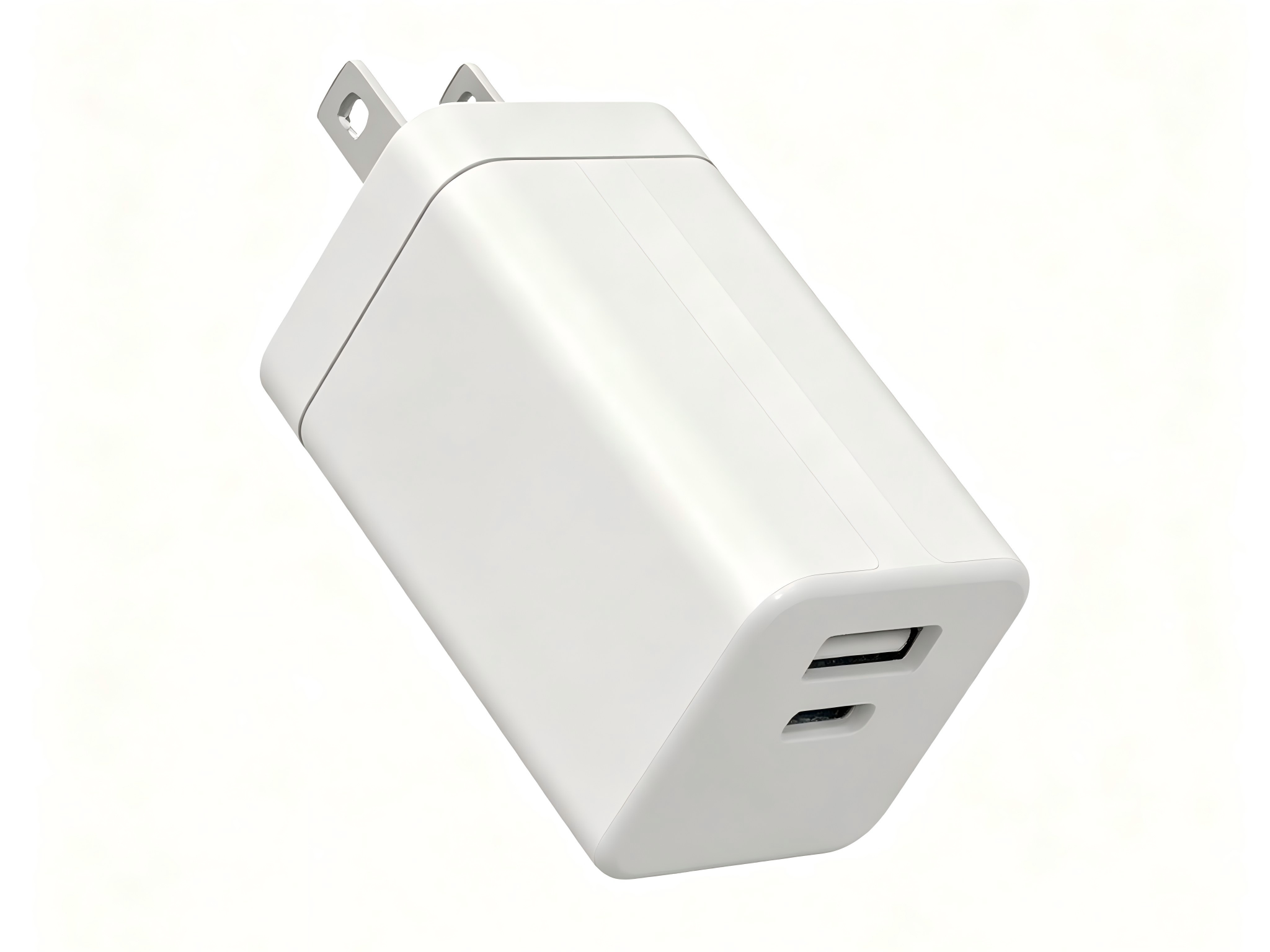
Recognition in a GaN fast charger begins at the physical layer: after insertion the device reads the CC pull-down resistor to judge cable type and available current, then negotiates voltage levels over PD. If the CC resistance of a GaN fast charger deviates from the standard steps, the device treats the supply as a default-current source, so the host powers up but charges slowly. Protocol-layer faults in a GaN fast charger mostly appear as handshake timeouts or failed level changes.
2. CC Resistance and Device Compatibility
The CC pull-down resistance of a GaN fast charger is normally held to about one percent accuracy, and drift makes the device misjudge it as a three-ampere cable or a default level. In multi-port units a GaN fast charger must give each port its own CC circuit so ports do not cross-talk through a shared detection node. Highly integrated port controllers are preferred to reduce accumulated deviation from discrete resistors.
3. Cable E-Marker and VCONN
Negotiating higher voltage levels requires a cable with an e-marker that correctly reports current and voltage capability, and unmarked cables only work at the base level for a GaN fast charger. The VCONN supply of a GaN fast charger must feed the e-marker stably; if VCONN droops or its over-current protection trips falsely, the failed read directly causes high-power negotiation to be refused.
4. Connector Mechanics and Contact Reliability
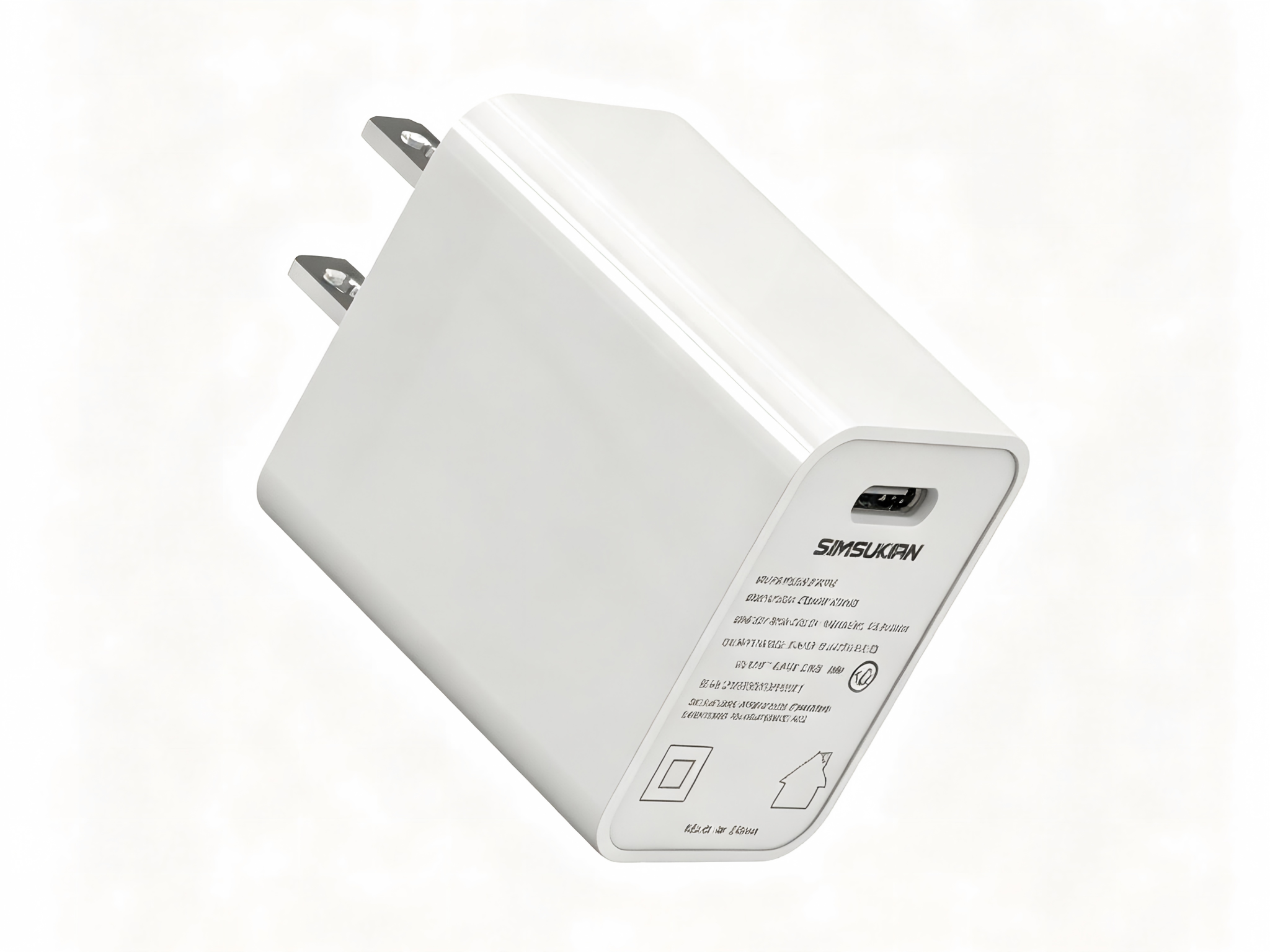
After repeated mating the USB-C receptacle of a GaN fast charger loses spring pressure and plating wears, so rising contact resistance brings voltage drop and false recognition. The mechanical design of a GaN fast charger should support the receptacle, prevent PCB flex from misaligning contacts with the plug, and limit lateral force during insertion. Solder strength between receptacle and PCB decides the long-term reliability of a GaN fast charger, since insertion force is carried entirely by the pads; undersized pads crack over time, so reinforced pads are added and verified in drop and mating-life tests.
5. Compatibility Matrix and Batch Validation
Compatibility validation covers mainstream phones, notebooks and consoles, combined with original, third-party and unmarked cables. Acceptance items of a GaN fast charger include attach detection time, first negotiation success rate and reconnection count, and production samples the same device set so batches behave alike. In multi-port units a GaN fast charger must also prevent ports from interacting through a shared VBUS node, keeping independent switching and detection paths for each port.
Conclusion
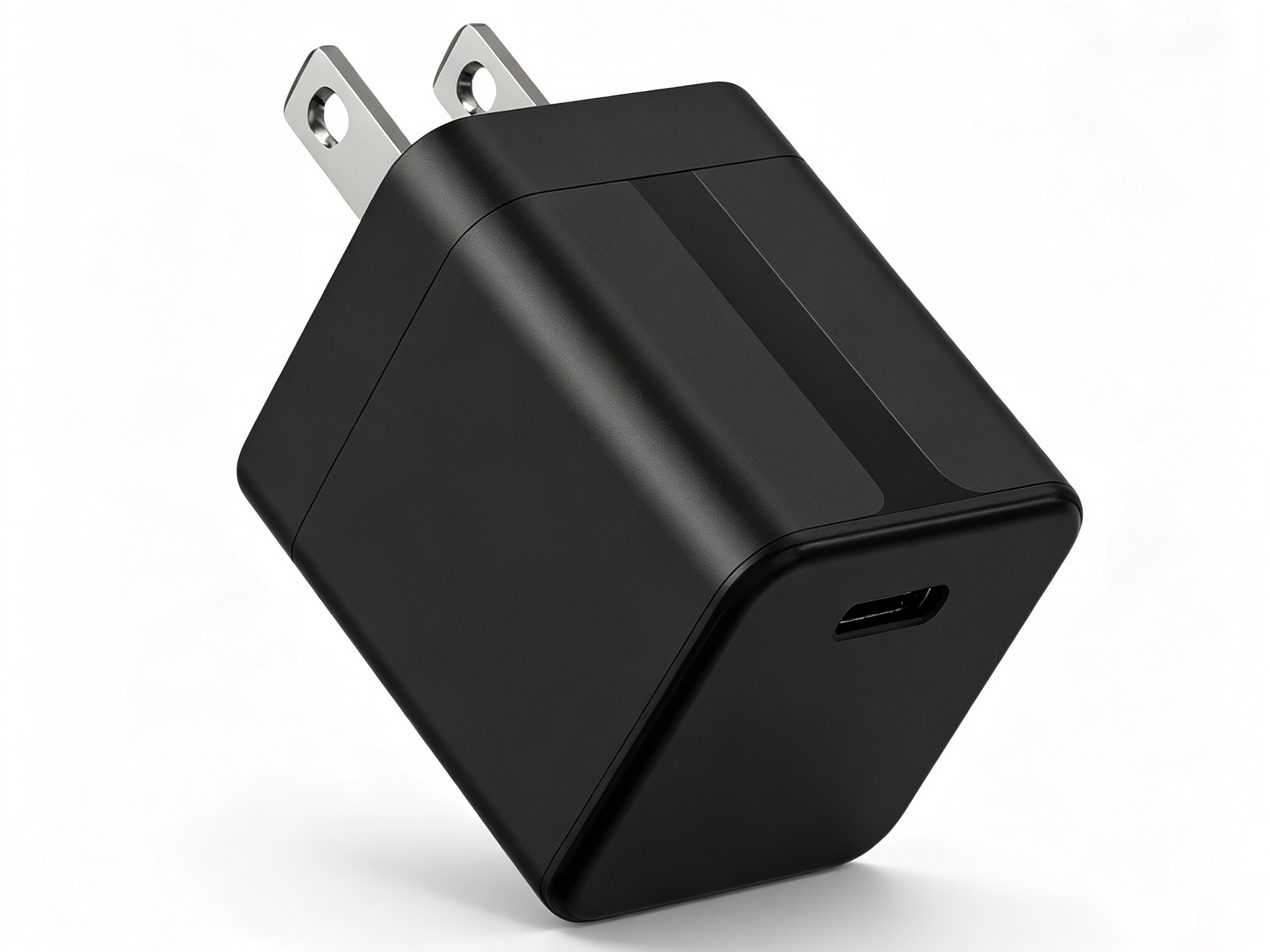
Recognition is the first step of fast charging and the part users notice most. Accurate CC resistance, stable VCONN and mechanically sound connectors, plus a compatibility matrix covering devices and cables, let a GaN fast charger handshake reliably across equipment and avoid the plug-in-without-charging experience. Overseas buyers may contact SIMSUKIAN to confirm port-compatibility and system-matching solutions for GaN fast charger.
FAQ
Q1: Are the certifications complete and verifiable?
A1: Simsukian’s full product range covers major certifications including UL, CE, FCC, PSE, KC, SAA, UKCA, and CB. All certificates can be verified through official channels, effectively avoiding risks of fake, borrowed, or expired certificates that may cause customs clearance failure or platform delisting.
Q2: How is the quality stability and protection performance?
A2: All Simsukian products undergo 100% aging tests and are equipped with multiple protections including over-voltage, over-current, short-circuit, and over-temperature protection. They feature low ripple, low heat generation, and an average lifespan of approximately 50,000 hours, supporting long-term full-load stable operation.
Q3: Can products be customized? What are the sample and mass production lead times?
A3: OEM/ODM customization is fully supported, including voltage, current, connector, plug type, housing, and logo. Sample lead time is 5 days. Standard bulk order lead time is 20-25 days. Sample fees are refundable after placing a bulk order.
Q4: Do the products meet energy efficiency and standby power requirements?
A4: The full range meets DOE Level VI and higher energy efficiency standards. Some models achieve no-load power consumption ≤0.1W, complying with ErP and other international energy-saving regulations.
Q5: How are lead time, MOQ, and after-sales service guaranteed?
A5: As a source manufacturer with abundant stock of standard models, delivery is stable. Standard warranty is 1 year (free repair within the first year). Lifetime repair support is provided; after the first year, appropriate material and labor fees will be charged.
References
1. SIMSUKIAN official website
2. USB Type-C cable and connector specification
3. IEC 62680 Universal serial bus interfaces for data and power