

Abstract
After a level change a GaN fast charger must raise its output from five volts to nine, fifteen or even twenty volts, and the ramp and overshoot of a GaN fast charger shape the charging current into device input capacitance. If the ramp of a GaN fast charger is too steep, the device may treat it as a surge and reset; if too slow, the handshake feels sluggish and charging starts late. Ramp and overshoot are therefore set per level. Ramp parameters also depend on output capacitance, and after a capacitor change a GaN fast charger must reconfirm that the same settings still apply. Ramp settings are recorded together with level and cable so that behavior can be reproduced and tuned later.
1. Ramp and Input Capacitor Current
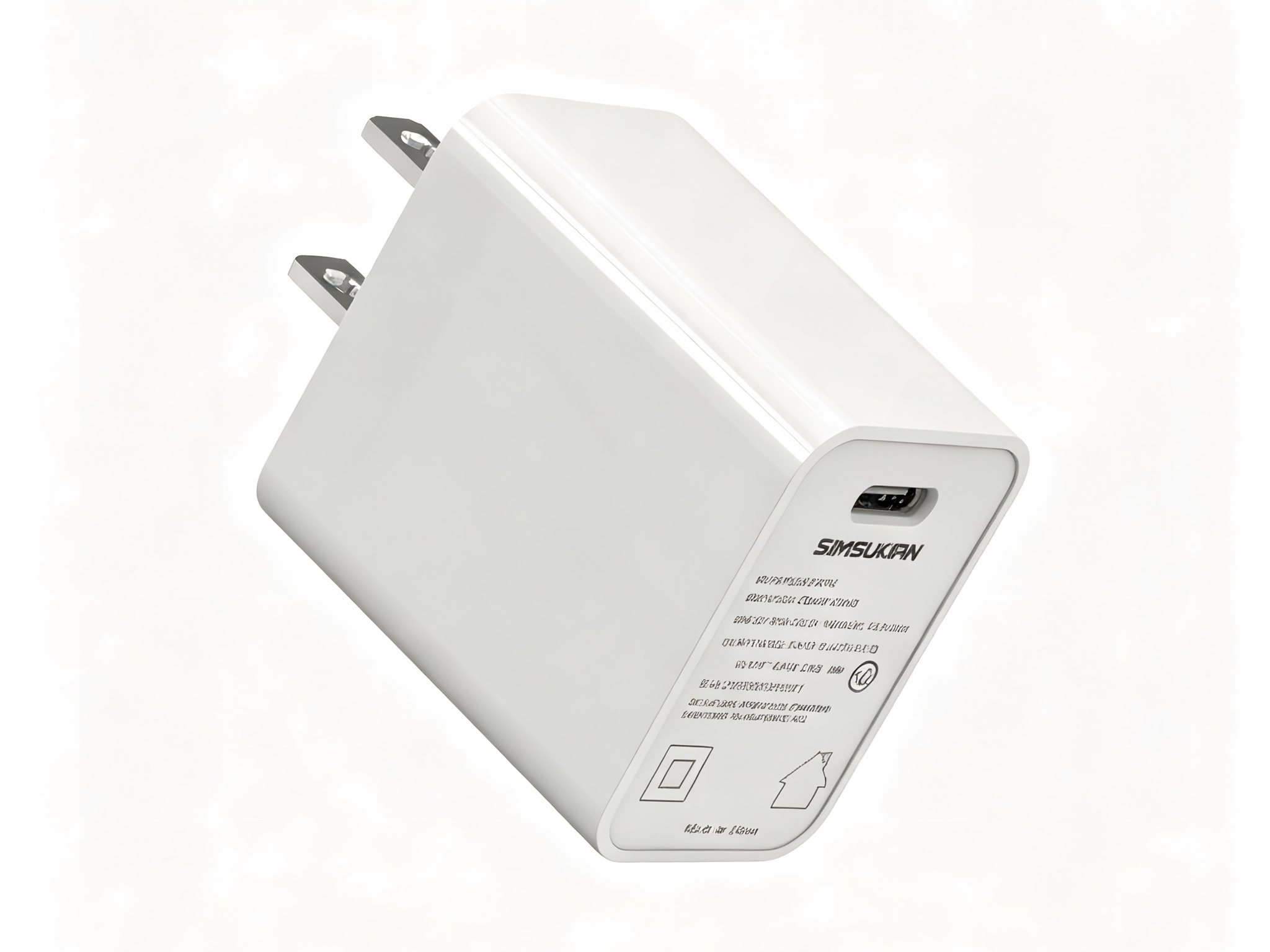
When a GaN fast charger raises voltage, the charging current into device input capacitance is proportional to the rate of change, so a steeper ramp means higher instantaneous current. The current loop and voltage loop of a GaN fast charger must act together at the transition; if the voltage loop responds first while the current loop has not limited, output capacitance and cable inductance form an underdamped oscillation with overshoot and a second correction.
2. Overshoot and Device Protection
If the overshoot of a GaN fast charger exceeds device input rating, over-voltage protection shuts down at best and input-stage parts are damaged at worst. A GaN fast charger overshoots more easily when switching to high levels, because stored output energy is larger and loop gain changes with output voltage; without level-dependent compensation the phase margin at high level drops.
3. Per-Level Soft-Start Parameters
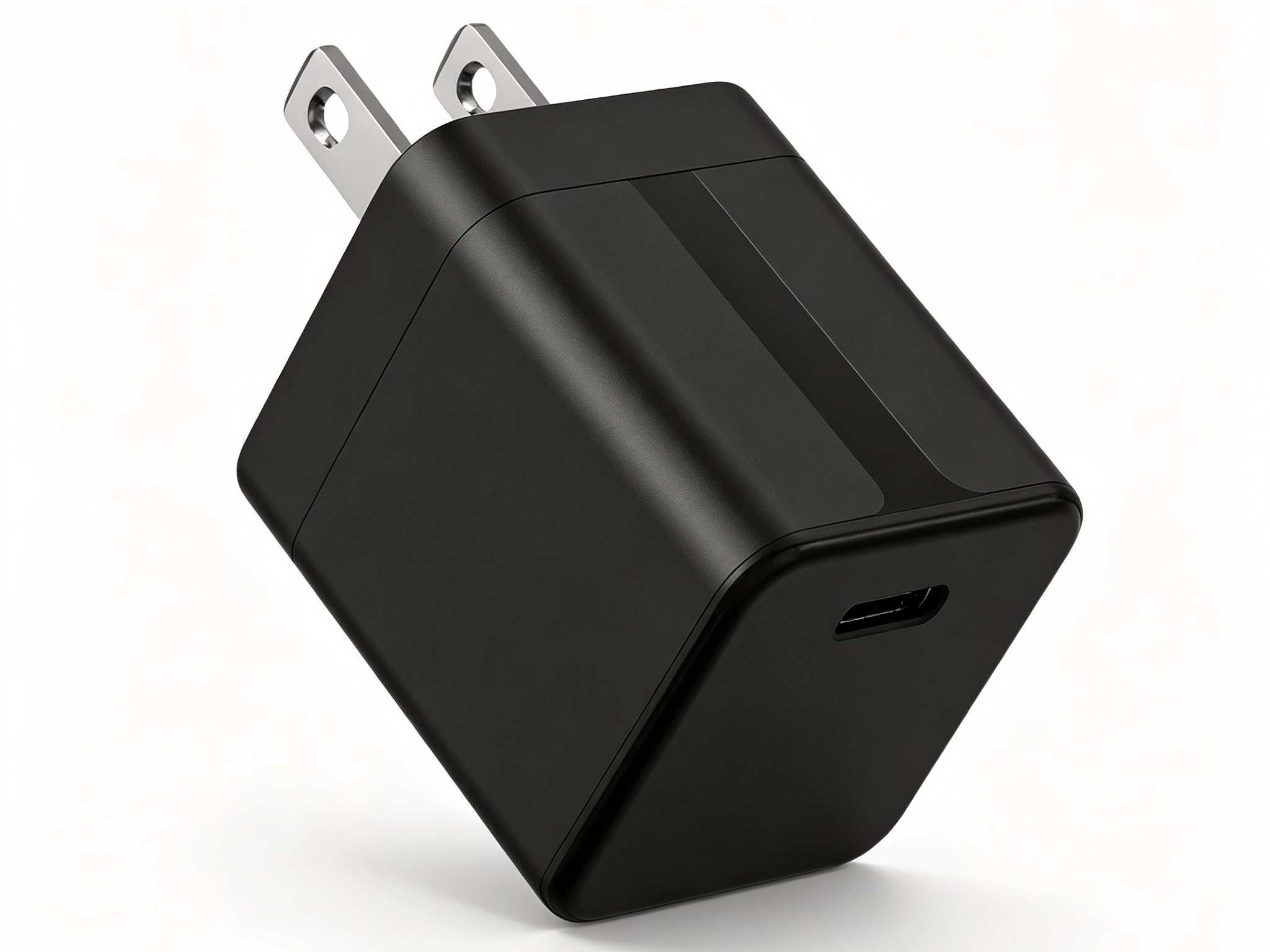
A GaN fast charger normally sets soft-start time and current limit per output level, using a shorter time at low level for better experience and a longer, gentler slope at high level. Firmware of a GaN fast charger should bind level to soft-start parameters, since uniform settings cause overshoot at high level and sluggishness at low level.
4. Coordination with Negotiation Timing
After receiving a new voltage request, a GaN fast charger must confirm the output is stable before reporting negotiation complete, because some devices read VBUS within a defined time to judge readiness. If a GaN fast charger reports too early while the rail is still rising, the device repeats the request, showing as repeated renegotiation or even a power-cycle restart. Overshoot suppression in a GaN fast charger also depends on output capacitance and loop damping, which should be calculated per level and rechecked in the worst light-to-full load step.
5. Verification and Compatibility Regression
Verification records rise time, overshoot and settling time at each level of a GaN fast charger, then rechecks them on different devices. After each firmware or loop change, a GaN fast charger reruns handshake and charging tests on the same device set to confirm no new timing deviation. When a multi-port GaN fast charger switches levels, the remaining power of the other path enters the calculation so the output does not rise and then fall back.
Conclusion
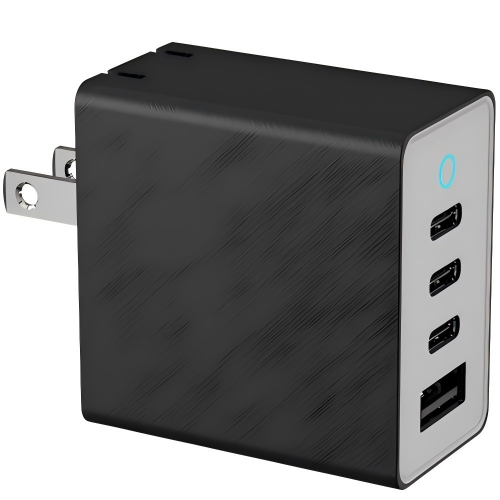
Soft start is not simply a longer rise time. Per-level ramps, coordinated current and voltage loops, reporting aligned with voltage settling, and compatibility regression let a GaN fast charger be accepted quickly and stably across levels. Overseas buyers may contact SIMSUKIAN to confirm soft-start timing and level-configuration parameters for GaN fast charger.
FAQ
Q1: What certifications can Simsukian provide?
A1: Simsukian offers CCC, CQC, UL, ETL, CB, CE, UKCA, FCC, KC, KCC, PSE, SAA, RCM, EAC, PSB, BSMI, ST, RoHS, REACH, ERP, DOE VI, CEC, GEMS and KMEPS certificates. We also hold ISO9001 and ISO14001 system certifications.
Q2: What about quality consistency and protection features?
A2: All Simsukian products undergo 100% burn-in testing. Built-in multi-protection includes over-voltage, over-current, short-circuit and over-temperature protection. Features low ripple and low heat generation, with an average lifespan of around 50,000 hours for stable full-load operation.
Q3: Is customization available? What are the lead times for samples and mass production?
A3: OEM/ODM customization is supported, covering voltage, current, connectors, plugs, housings, logos and more. Sample lead time: 5 days. Mass production normally takes 20–25 days. Sample cost can be refunded after placing bulk orders.
Q4: What is the MOQ?
A4: Standard products have fixed MOQs. MOQ for custom designs is negotiable based on the solution. Please contact our sales team for details.
Q5: How do you guarantee lead time, MOQ and after-sales service?
A5: As the original manufacturer, we stock many standard items and maintain reliable lead times. Standard warranty: 1-year free repair, plus lifetime support. After the first year, only material and labor fees apply.
References
1. SIMSUKIAN official website
2. USB Power Delivery specification
3. IEC 62368-1 Audio/video, information and communication technology equipment
Power adapter
Power adapter
Related Articles More>>
- High-Frequency Efficiency and Long-Term Cost Value of a GaN fast charger
- Convertible Plug Power Adapter - Production Quality Control and Batch Consistency Technical Parameters for Multiple Pin Versions
- Noise and Efficiency Trade-offs in Light-Load Burst Mode of SiC Power Adapters
- USB Charger | Mixed A/C Port Electrical Specs, Protocol Detection & Technical Guide for Overseas Sourcing