

Abstract
Interchangeable Conversion Pin Adapter are mainstream accessories for cross-border power supplies. Modular Conversion Pin Adapter allow one main unit to match global sockets. This article analyzes locking clips, metal springs and housing materials of Conversion Pin Adapter with real contact resistance and pull test data, helping overseas engineers evaluate mechanical stability and cut development costs.
1. Application Advantages of Modular Conversion Pin Adapter
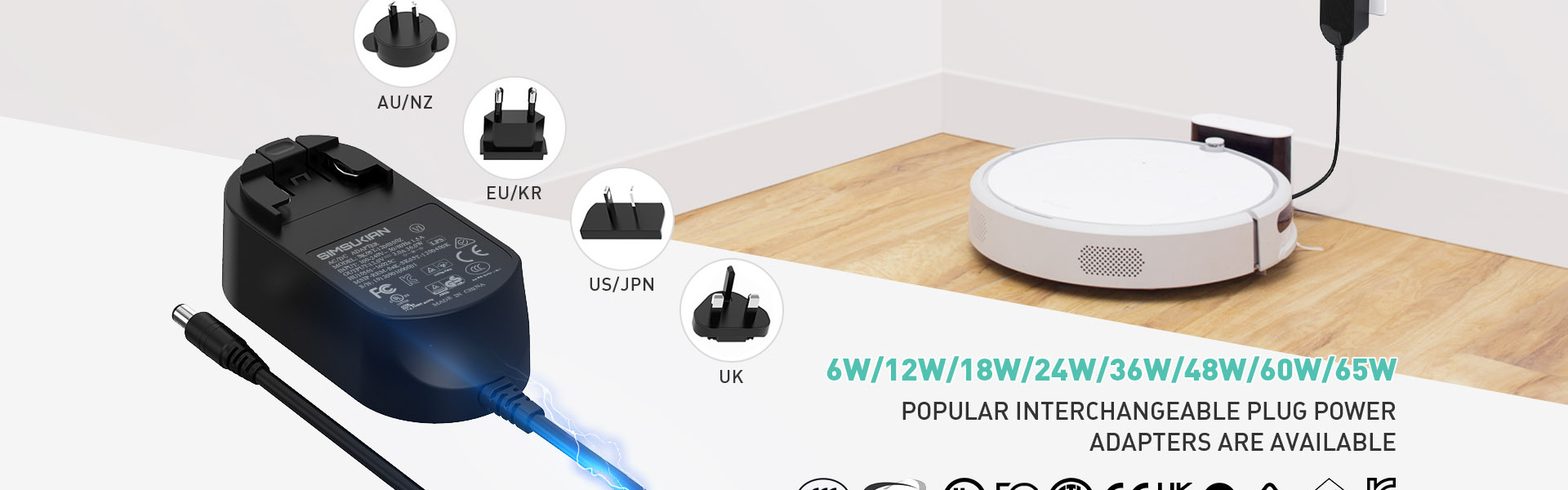
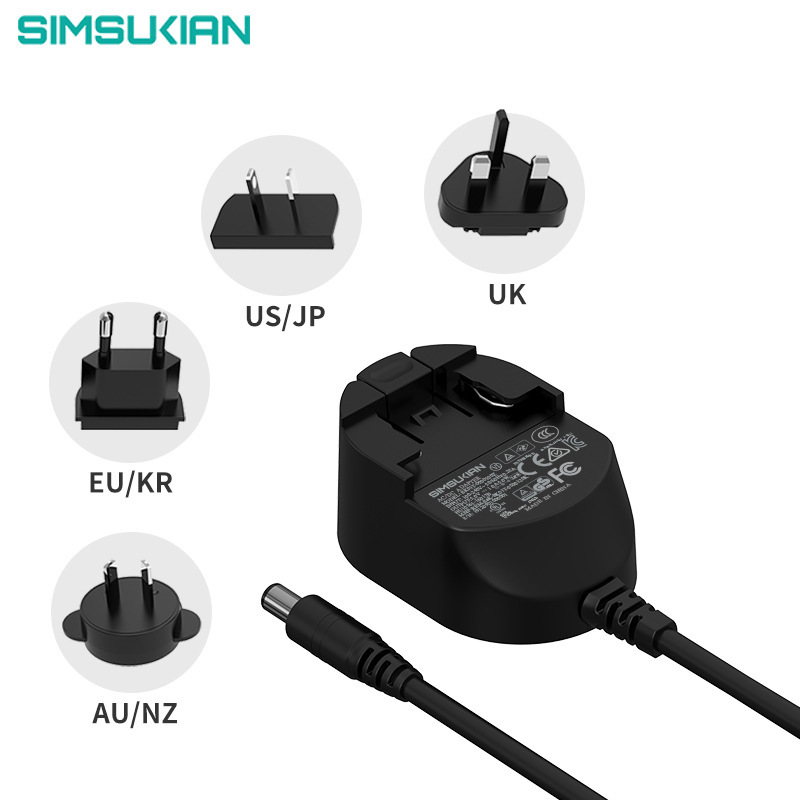
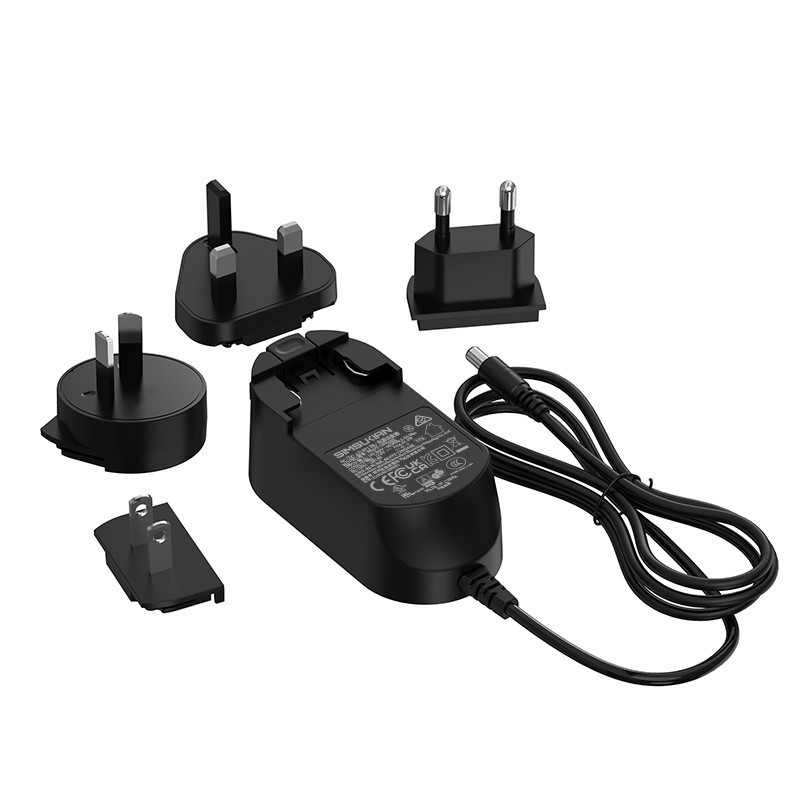
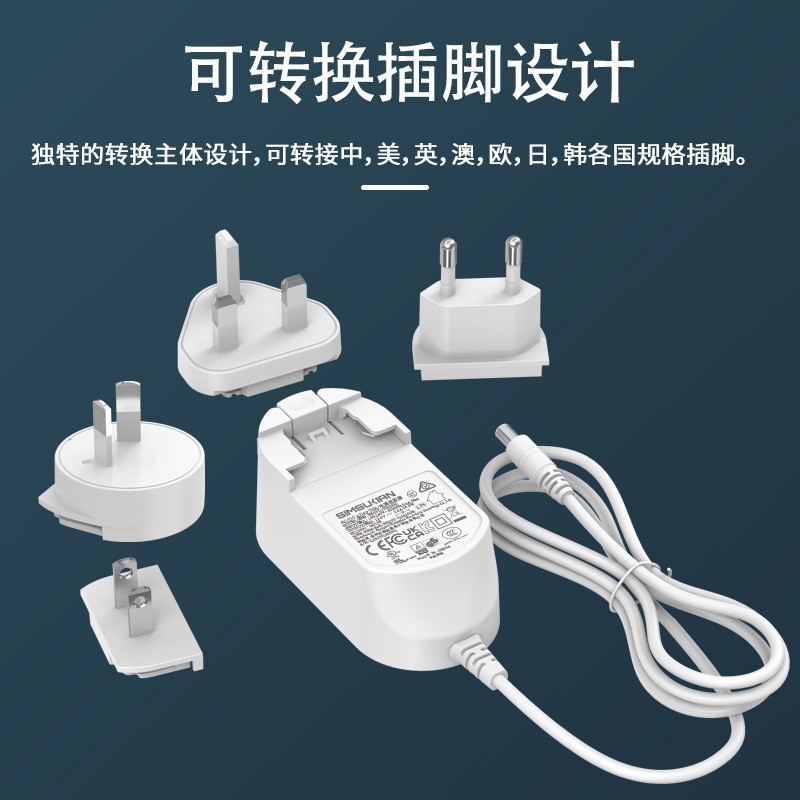
Interchangeable Conversion Pin Adapter consist of power main body and detachable pin modules. Compared with integrated Conversion Pin Adapter, modular Conversion Pin Adapter support fast pin replacement for EU, US, UK and AU sockets. Manufacturers use one main power unit plus multiple Conversion Pin Adapter to cover global markets, shortening R&D cycle and mold cost.
For overseas B2B orders, modular Conversion Pin Adapter are popular for industrial power, medical auxiliary power and smart device makers. The clip locking system is the core design of Conversion Pin Adapter.
2. Core Structure and Design Parameters of Conversion Pin Adapter
A Conversion Pin Adapter includes housing, metal pins, conductive springs and locking clips. Conductive springs control contact performance; qualified Conversion Pin Adapter have contact resistance ≤20mΩ. Clips pass pull test: apply 60N force for 60s, pin module shall not separate from Conversion Pin Adapter.
Plug cycle requirement: full assembly of Conversion Pin Adapter withstand ≥10,000 disassembly cycles without clip breakage or spring force loss. Housing material UL94 V0, operating temperature -20℃ ~ +60℃.
After 72h full-load aging and 500 thermal cycles, clips of Conversion Pin Adapter must not deform plastically. Cheap Conversion Pin Adapter have thin clip walls and break after repeated disassembly.
3. Common Structural Defects of Conversion Pin Adapter
First, insufficient clip travel leads to incomplete locking of Conversion Pin Adapter, poor contact and overheating. Second, soft metal springs lose tension after plugging, contact resistance rises continuously. Some Conversion Pin Adapter have thin housing and crack under thermal cycles.
Certain Conversion Pin Adapter lack anti-reverse structure. Wrong assembly may cause abnormal live contact and safety hazard. High-quality Conversion Pin Adapter adopt anti-misassembly design to prevent reverse installation.
4. Structural Verification Test for Conversion Pin Adapter
For Conversion Pin Adapter samples, run pull test, plug durability test and thermal aging test besides visual inspection. Recheck contact resistance after testing to evaluate performance decay of Conversion Pin Adapter. Pre-validation in R&D avoids mass failure after mass production. Overseas buyers may request structural test reports of Conversion Pin Adapter at sampling stage.
Conclusion
This article introduces structural advantages, component parameters and common defects of modular Conversion Pin Adapter. Clips, conductive springs and housing determine long-term reliability of Conversion Pin Adapter. Pull test, plug cycle and thermal cycling tests help avoid structural failure early. Contact SenShuQiang for procurement and customization inquiries.
Sources:
1.IEC 60512 2 1 Connectors mechanical tests plugging and unplugging durability
2.EN 50075 Interchangeable plug in systems for low voltage power supplies
3.IEC 60884 1 Mechanical strength requirements for plugs and socket outlets
Power adapter
Power adapter
NewUpdates
Related Articles More>>
- Under-Voltage Input Protection for Charger: Equipment Safety for Low-Grid-Voltage Conditions
- High-temperature Aging Performance & Long-term Reliability Evaluation for Genuine Chargers
- Wall Plug-in Power Adapter Energy Efficiency Compliance & Overseas B2B Supply Guide
- Common Failures & Mitigation for Interchangeable Plug Power Adapter in Overseas Projects