

Abstract
Abstract: A USB charger identifies connected devices via D+/D- communication pins and matches proper charging levels. The USB charger can integrate USB-A and USB-C dual ports to power multiple digital devices at once. Output ripple, port current limit, ESD protection and USB connector durability are key evaluation factors for export. This article breaks down hardware parameters, protocol negotiation and reliability testing for bulk sourcing of USB charger.
1. Electrical & USB Interface Parameters of the USB Charger
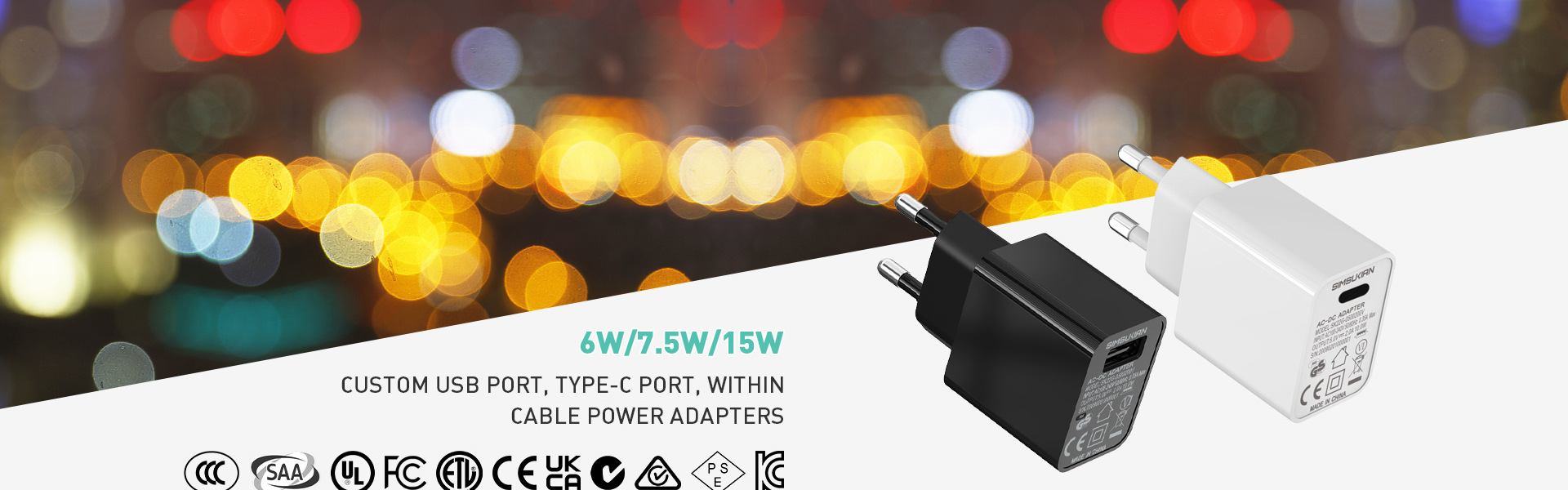
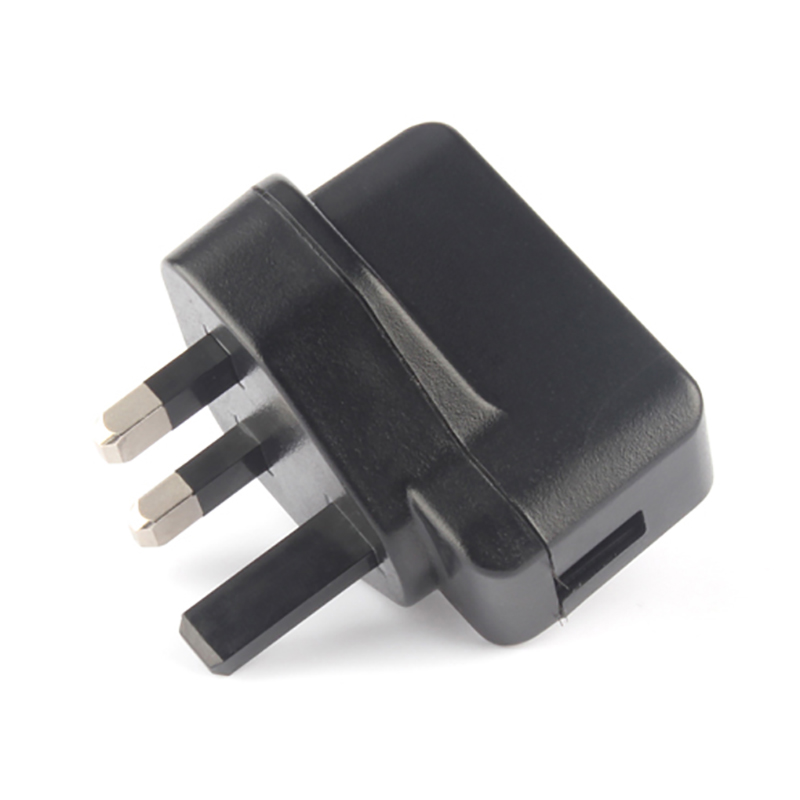
Commercial USB charger accepts wide 100–240V AC input at 50/60Hz for global mains. USB‑C port supports PD fast charging with profiles of 5V/3A, 9V/3A, 12V/2.5A; USB‑A port supports QC2.0/3.0 up to 18W. The USB charger maintains output voltage tolerance within ±4%, peak-to-peak ripple below 100mV to reduce noise interference. No-load standby power stays under 0.06W, meeting DOE Level VI efficiency. The USB charger uses D+/D- detection circuit to judge device type and deliver safe current.
2. Dynamic Power Sharing for Multi-port USB Charger
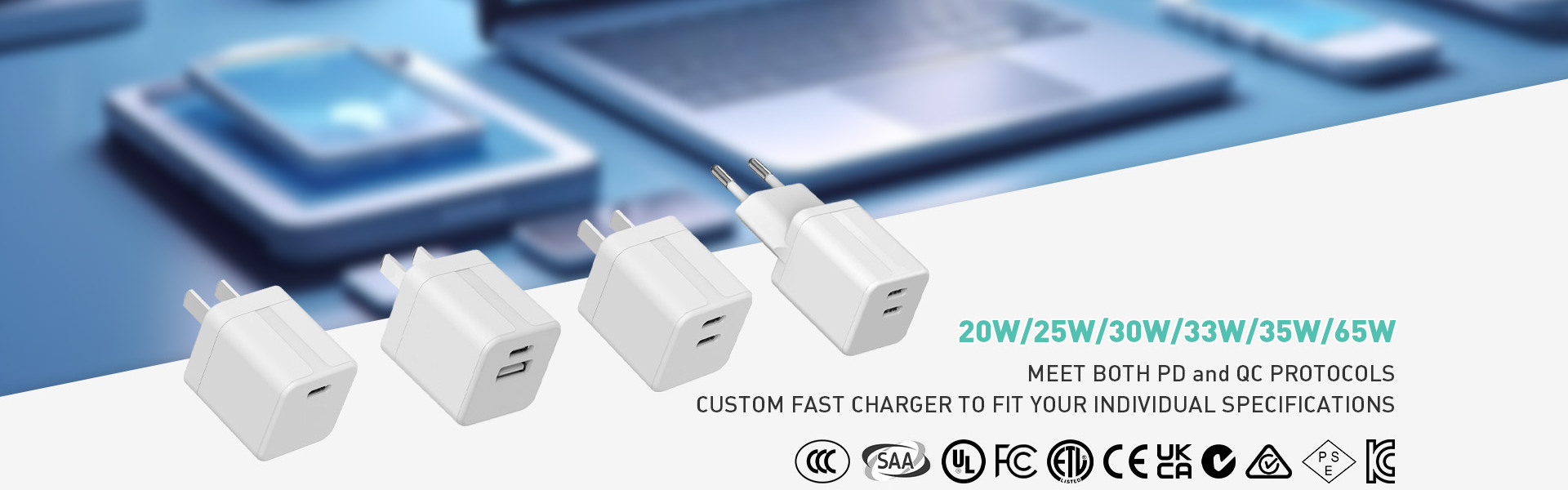
Multi-port USB charger uses power management IC to monitor real-time current on each USB port. With only one connected device, the USB charger provides full rated power. When two loads are connected, the USB charger dynamically splits total power. On a 30W unit, USB-C gets priority for 20W while USB-A keeps 10W. The two USB outputs are isolated; fault on one channel won't crash the other. After device unplugging, the USB charger returns to low-power standby automatically.
3. Connector Reliability and Protection of the USB Charger
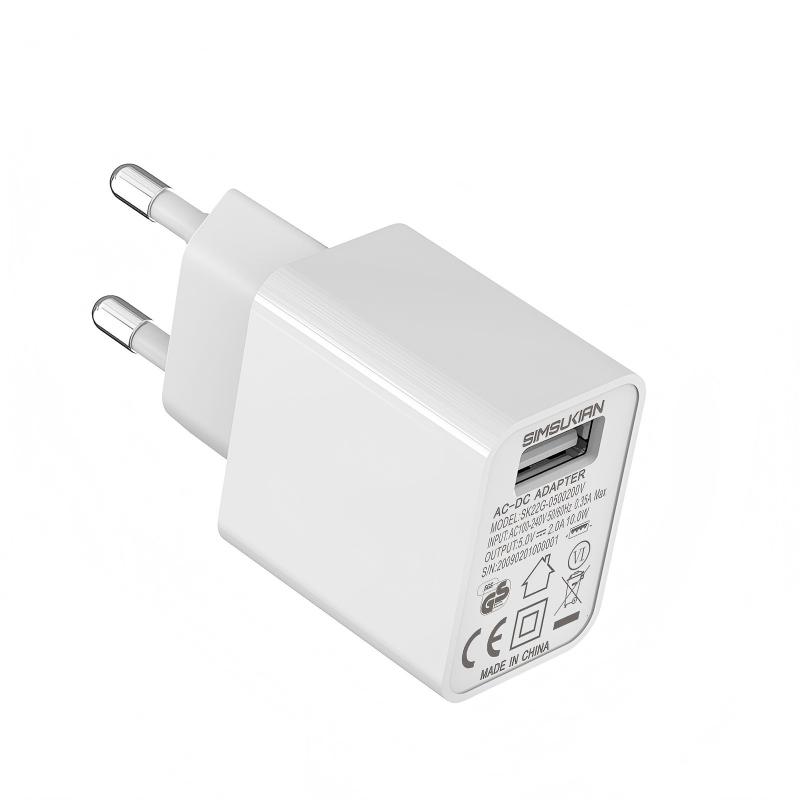
USB female receptacle is the wear-prone component of the USB charger. Qualified receptacles sustain 10,000 insertions with stable contact resistance. The USB charger includes ESD protection: ±8kV contact, ±15kV air discharge per IEC 61000‑4‑2. Hardware protections include overvoltage, overcurrent, short-circuit and overtemperature. When USB output shorted, the USB charger triggers current limiting and auto-recovers after fault removal. The housing uses V0 flame-retardant PC.
4. Compliance Certification & Application of the USB Charger
Export-grade USB charger must comply with IEC 62368‑1 with CE, FCC, RoHS certificates. This USB charger fits smartphones, earbuds, smartwatches and portable cameras. OEM buyers can customize USB port quantity, logo printing and housing color for product bundles. Operating temperature ranges -10℃ to +40℃, suitable for home, hotel and office continuous operation.
Summary
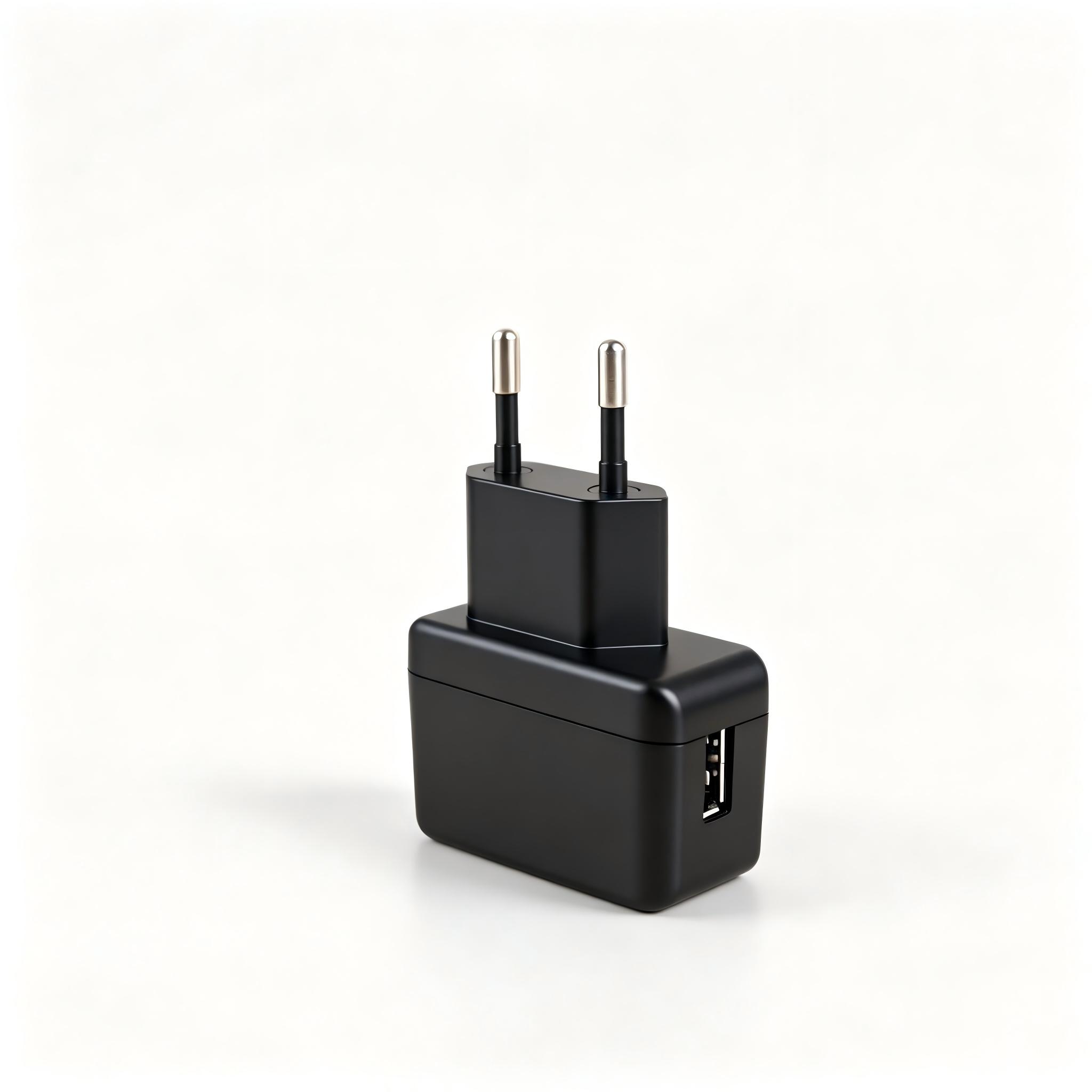
When sourcing a USB charger, check protocol compatibility, ripple, ESD protection and certifications to protect end devices. Contact Simsukian for custom specifications, port layout and sample testing.
References
1. IEC 62368-1 Audio/video, information and communication technology equipment safety standard
2. IEC 63002 Interoperability specifications for external power supplies
Power adapter
Power adapter
Related Articles More>>
- Power Adapter - Switching Power Supply Working Principle and Topology Selection Technical Parameters
- Common Failures & Mitigation for Interchangeable Plug Power Adapter in Overseas Projects
- Matching Design Key Points between Conversion Pin Adapter and Main Power Supply
- Overseas Safety Certification Adaptation and Safety Performance Analysis of Multi-Protection Charger