

Abstract
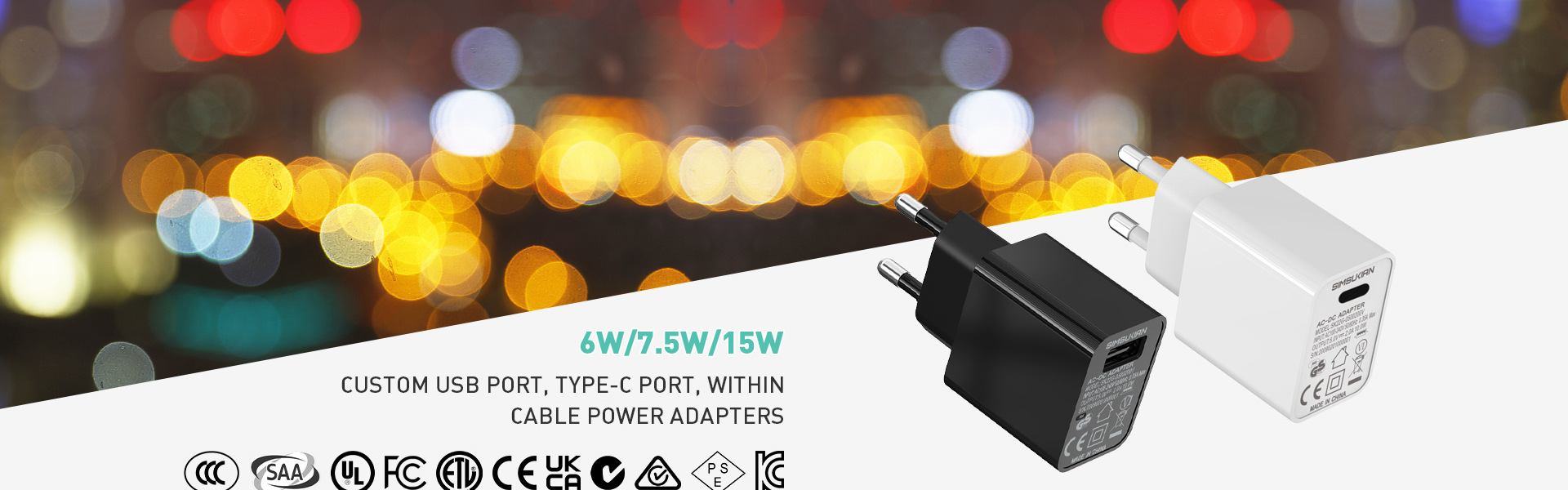
A USB charger completes fast charging handshake via USB‑C CC pin to switch voltage levels. This USB charger adopts simplified single-port design for product bundles and gift sets. PD communication sequence, temperature rise and surge suppression are critical export indicators. This article explains circuit principle, efficiency and burn-in criteria to evaluate bulk solutions of single-port USB charger.
1. I/O and PD Protocol Parameters of the USB Charger
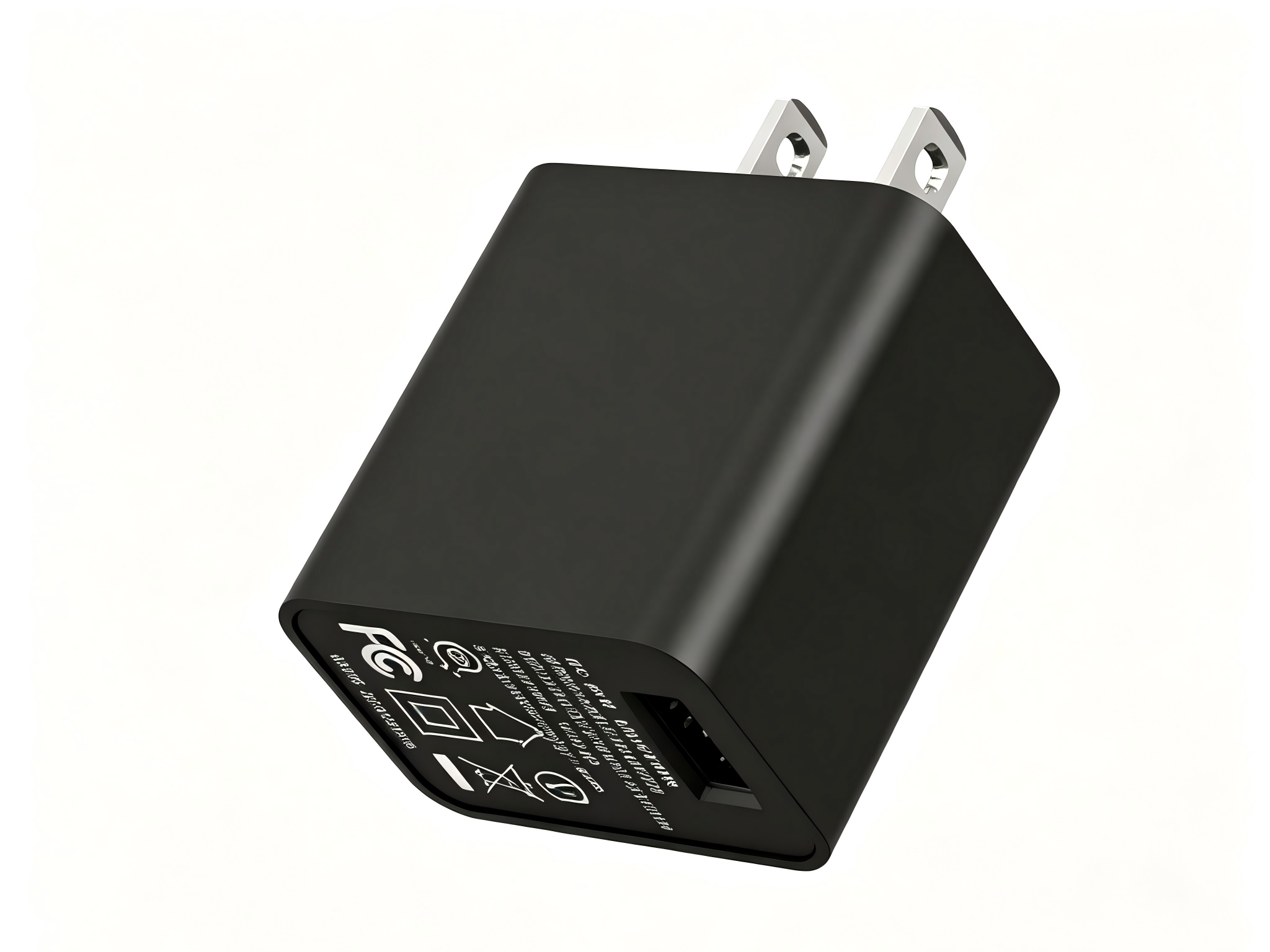
Single-port PD USB charger accepts 100–240V wide AC input at 50/60Hz. The USB‑C CC pin handles communication. Once the device connects, the USB charger exchanges PD messages to negotiate output voltage. Standard profiles: 5V/3A, 9V/3A, 15V/3A, max 20V/3.25A at 65W. The USB charger limits ripple under 110mV with voltage tolerance ≤±5%. Full-load efficiency exceeds 91%, standby power <0.05W, meeting DOE Level VI. The USB charger integrates soft-start to limit inrush current and protect lithium batteries.
2. PD Handshake and Charging Phase Control of the USB Charger
After USB‑C insertion, the USB charger detects pull resistor via CC pin and identifies PD version. Successful handshake allows the USB charger to switch voltage and start CC/CV charging. Constant-current runs at low battery; constant voltage activates at end-of-charge with decaying current. If communication fails, the USB charger falls back to safe 5V to prevent damage to incompatible devices. The USB charger monitors messages continuously and enters standby after unplugging.
3. Thermal Management & Burn-in Test for the USB Charger
Compact single-port USB charger generates heat from high-frequency switches. Continuous full-load operation limits housing temperature rise to 38K. Optimized PCB layout keeps USB connector cool. Factory burn-in requires the USB charger to run 4 hours at rated load and 40℃ ambient. Voltage and current drift must stay within specification. The USB charger uses low-loss high-frequency transformer to reduce heat and extend service life.
4. EMC, Protection & Certification of the USB Charger
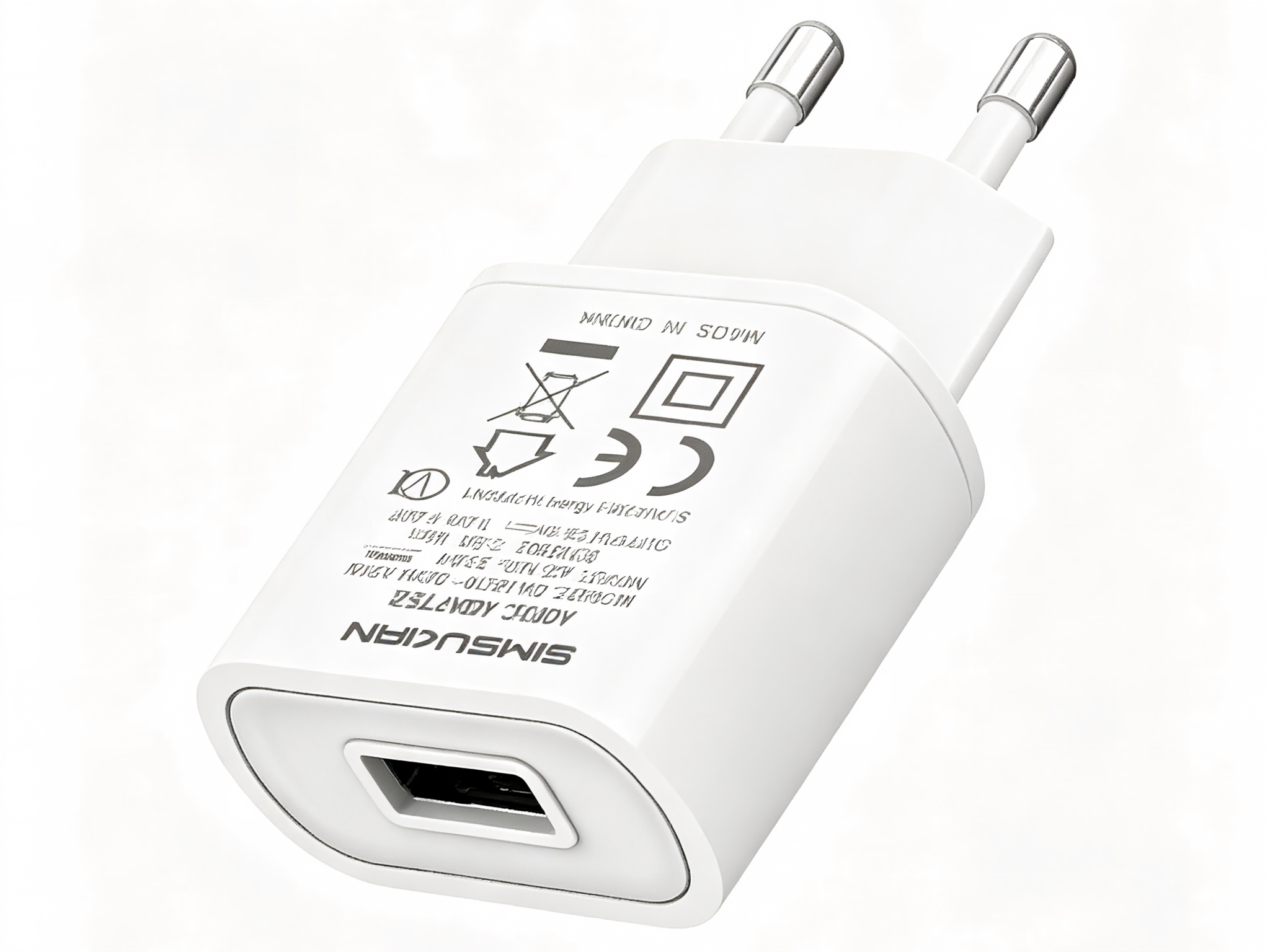
Export-grade USB charger must comply with EMC standards to limit conducted and radiated interference, preventing disruption to Bluetooth and Wi-Fi. Hardware protection covers overvoltage, overcurrent, short-circuit and overtemperature. The USB charger cuts off output on fault and auto-recovers on some versions. Designed per IEC62368‑1, it supports CE, FCC, RoHS. This USB charger suits laptops, tablets and small portable energy modules. OEM custom housing and logo available.
Summary
When sourcing single-port PD USB charger, check PD handshake stability, inrush suppression, thermal rise and EMC performance. Contact Simsukian for custom specs and samples.
References
1. IEC 62368-1 Audio/video, information and communication technology equipment safety standard
2. IEC 63002 Interoperability specifications for external power supplies
Power adapter
Power adapter
Related Articles More>>
- Safety Certification Breakdown for Desktop Power Adapter: Certificate, Sample & BOM Version Control
- Output Ripple Noise Parameters and Precision Load Matching Selection for Desktop Power Adapter
- Guide for Adaptation Regions and Selection of Different Plug Specifications for Power Adapters
- PD GaN Fast Charger: Overseas Market Safety Compliance & Energy Efficiency Selection Guide