

Abstract
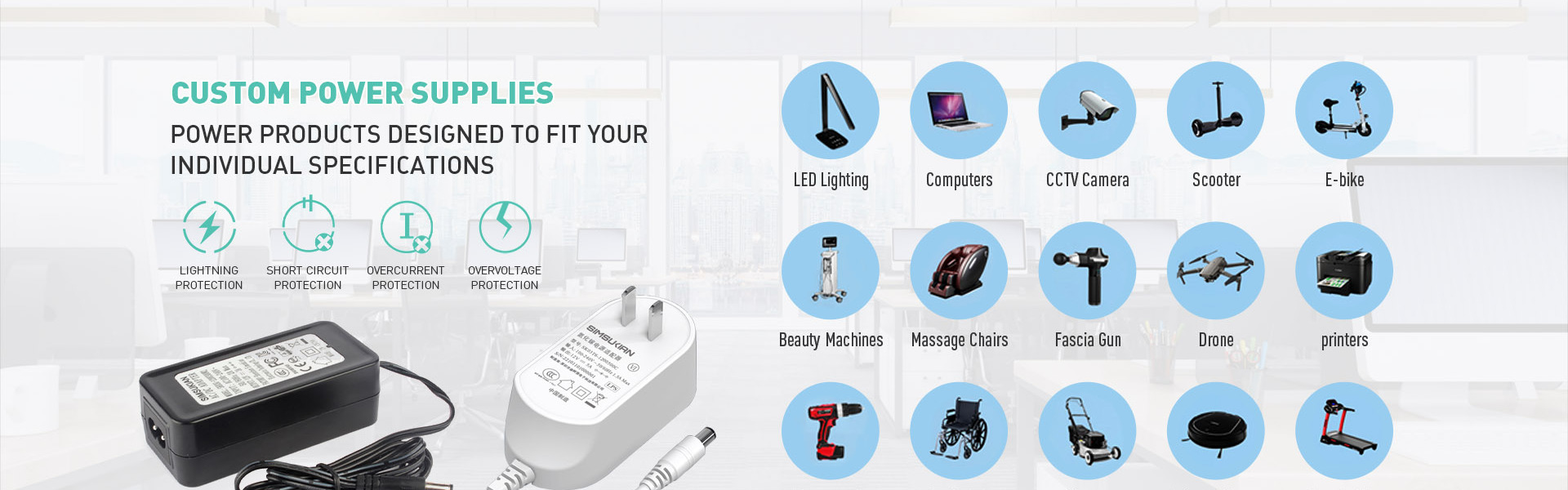
A power adapter with reinforced isolation protects people and devices. The power adapter holds high withstand and reliable insulation. Withstand, creepage and insulation of the power adapter are key to compliance and safety.
1. Isolation Withstand Capability
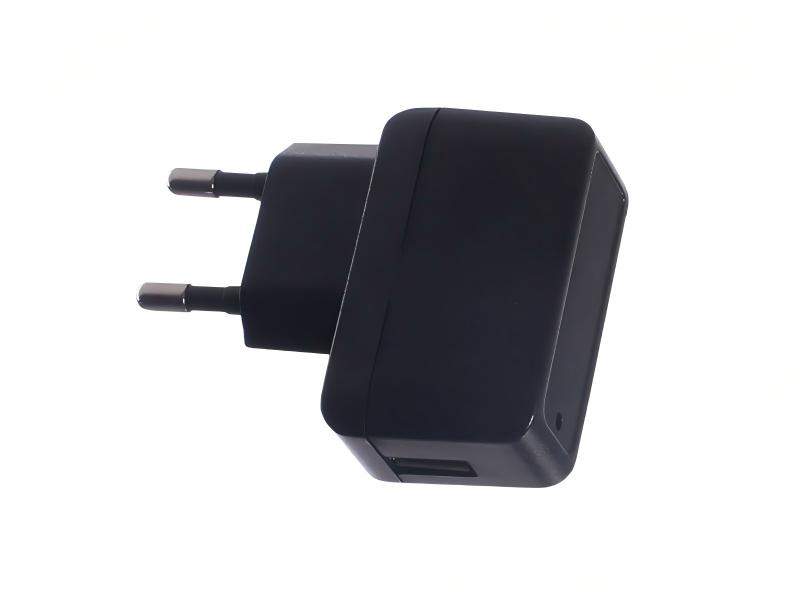
A power adapter must withstand high voltage between primary and secondary, with quality models above 3000VAC. Reliable withstand keeps the power adapter insulated under abnormal voltage to prevent shock. Buyers check withstand values of the power adapter to confirm compliance with standards such as IEC62368.
2. Creepage and Clearance
A power adapter needs sufficient creepage and clearance internally to prevent tracking. Ample distance keeps the power adapter insulated in polluted environments and avoids leakage and breakdown. Buyers verify the creepage design of the power adapter under the pollution degree to confirm its insulation meets requirements.
3. Insulation Grade and Material
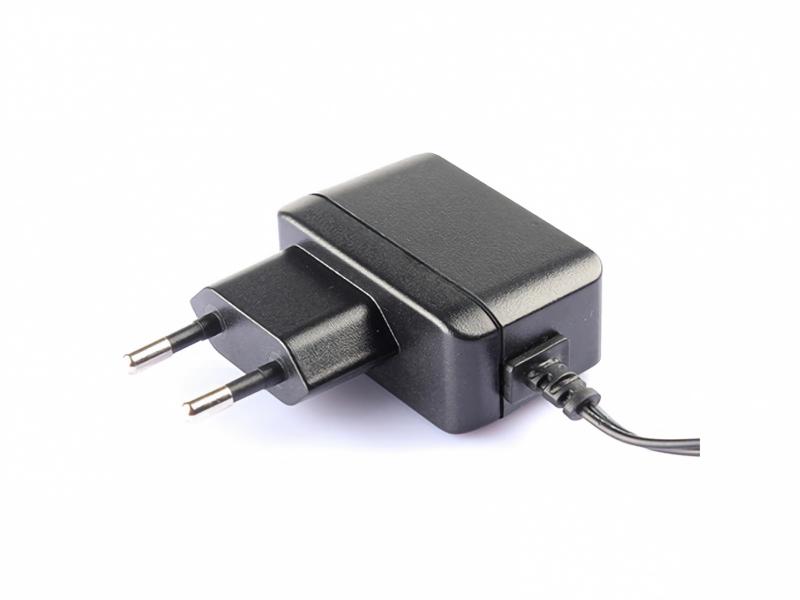
A power adapter uses reinforced or double insulation with high-temperature materials. Good insulation keeps the power adapter safe over long operation and reduces faults. Buyers check insulation grade and material rating of the power adapter for reliable long-term operation.
4. Leakage Current Control
Leakage of the power adapter must stay within safety limits for touch safety. Low-leakage design lets the power adapter run safely in humid or contact scenarios, meeting appliance and medical standards. Buyers verify leakage of the power adapter for compliance across standards and specific markets.
Conclusion
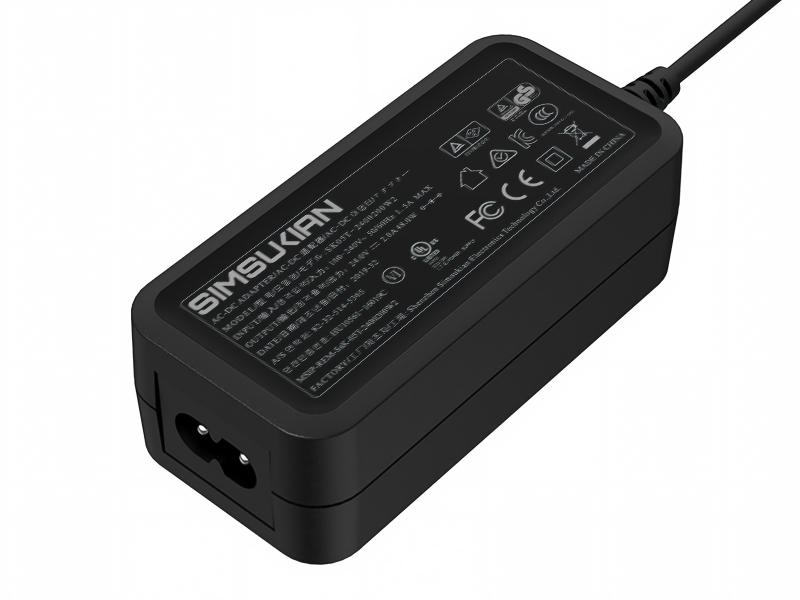
Equipment safety needs reliable isolation of the power adapter; verify withstand, creepage, insulation grade and leakage of the power adapter. Looking for power adapter samples or safety certificates? Contact Simsukian for certification files.
FAQ
Q1: What common safety protections should a wall-mounted power adapter have?
A1: Standard protections include over-voltage, over-current, short-circuit and over-temperature protection. Most qualified designs adopt hiccup recovery mode for fault conditions.
Q2: What certifications are usually required for power adapters exported globally?
A2: Simsukian adapters carry UL, CE, UKCA, KC, RCM approvals and meet DOE Level VI and EN61347 for lighting applications.
Q3: Why does an adapter still restart the load even if its rated current is higher than the steady-state current of the device?
A3: This is generally caused by insufficient inrush current margin at power-on. The instantaneous peak current triggers the adapter’s protection circuit.
Q4: Can I change the DC cable length and DC plug type of the adapter?
A4: Yes, such modifications are supported on existing certified hardware platforms, as long as the changes stay within the certified scope.
Q5: What factors will affect the actual output voltage at the end of the DC cable?
A5: Cable resistance, wire gauge, cable length and load current together create voltage drop, which needs to be considered during selection.
References
1. IEC 62368-1 Audio/video, information and communication technology equipment safety
2. UL 62368-1 Safety standard for audio/video and information technology equipment
3. IEC 60601-1 General safety and essential performance of medical electrical equipment
Power adapter
Power adapter
Related Articles More>>
- DC Output Cable, Connector Mechanical & Electrical Parameters for Desktop Power Adapter
- PD GaN Fast Charger - Safety Protection and Fault Response Technical Parameters
- Selection Guide of a GaN fast charger for High-Power Laptop Charging
- Technical Standard and Measurement Specification for Level VI Energy Efficiency of Power Adapters