

Abstract
Standby power draw of an idle USB charger determines compliance with overseas energy rules. Auxiliary power circuits and sleep logic dominate standby loss. Careful circuit optimisation helps a USB charger meet regional energy registration requirements.
1. Regional Energy Efficiency Limits
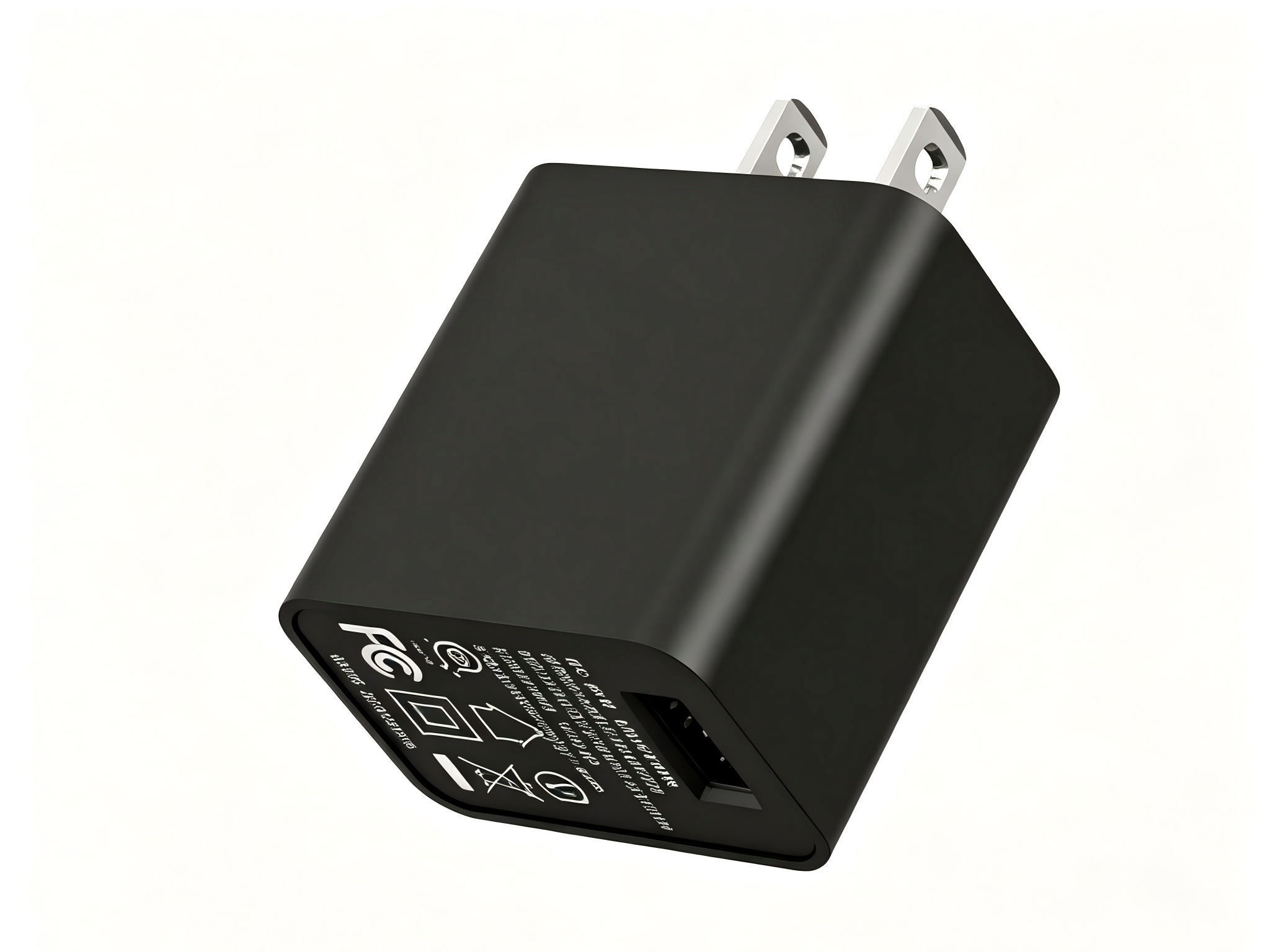
Countries enforce clear no-load power caps for USB charger. DOE in North America and ErP in Europe set tiered limits based on rated power. Many buyers overlook tiered thresholds and select generic USB charger designs that fail market surveillance. Target markets must be defined early in the project, with design margin reserved before sample build.
2. Auxiliary Supply Circuit Optimisation
Controller, optocoupler and protocol ICs inside the USB charger run on auxiliary power, which forms the largest standby loss contributor. Older auxiliary circuits draw high quiescent current even when idle. Low-quiescent controllers and simplified auxiliary branches disable unused circuits during standby and cut baseline idle loss of the USB charger.
3. Sleep and Wake-up Sequence
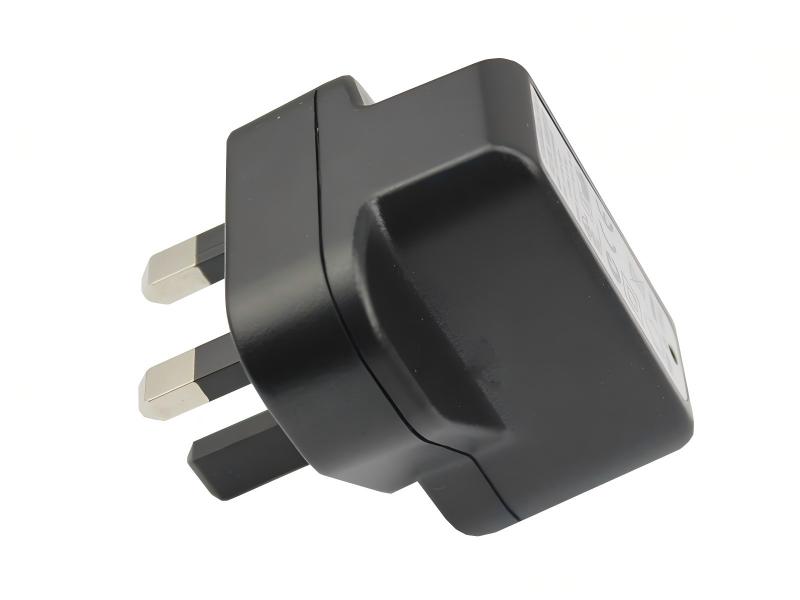
Low-power USB charger includes deep sleep mode after idle timeout to minimise consumption. When a device is plugged into the USB port, the controller wakes rapidly and starts protocol negotiation. Engineers balance ultra-low standby draw and fast wake response; overly deep sleep causes noticeable delay, a common trade-off in low-power USB charger design.
4. Light-load Burst Oscillation Control
Flyback topologies often enter burst oscillation at no load or ultra-light load, raising average power draw and audible noise. Frequency and cycle skipping control suppress oscillation and stabilise idle power of the USB charger. Validation covers the full input voltage range to ensure the USB charger stays compliant at high and low mains voltage.
5. Standardised Energy Test and Sampling
Energy tests require fixed ambient conditions, wiring and calibrated instruments. Cable voltage drop and temperature skew readings. The USB charger is tested under official standard conditions before release. Production sampling rechecks no-load consumption to avoid drift caused by component batch variation.
Conclusion
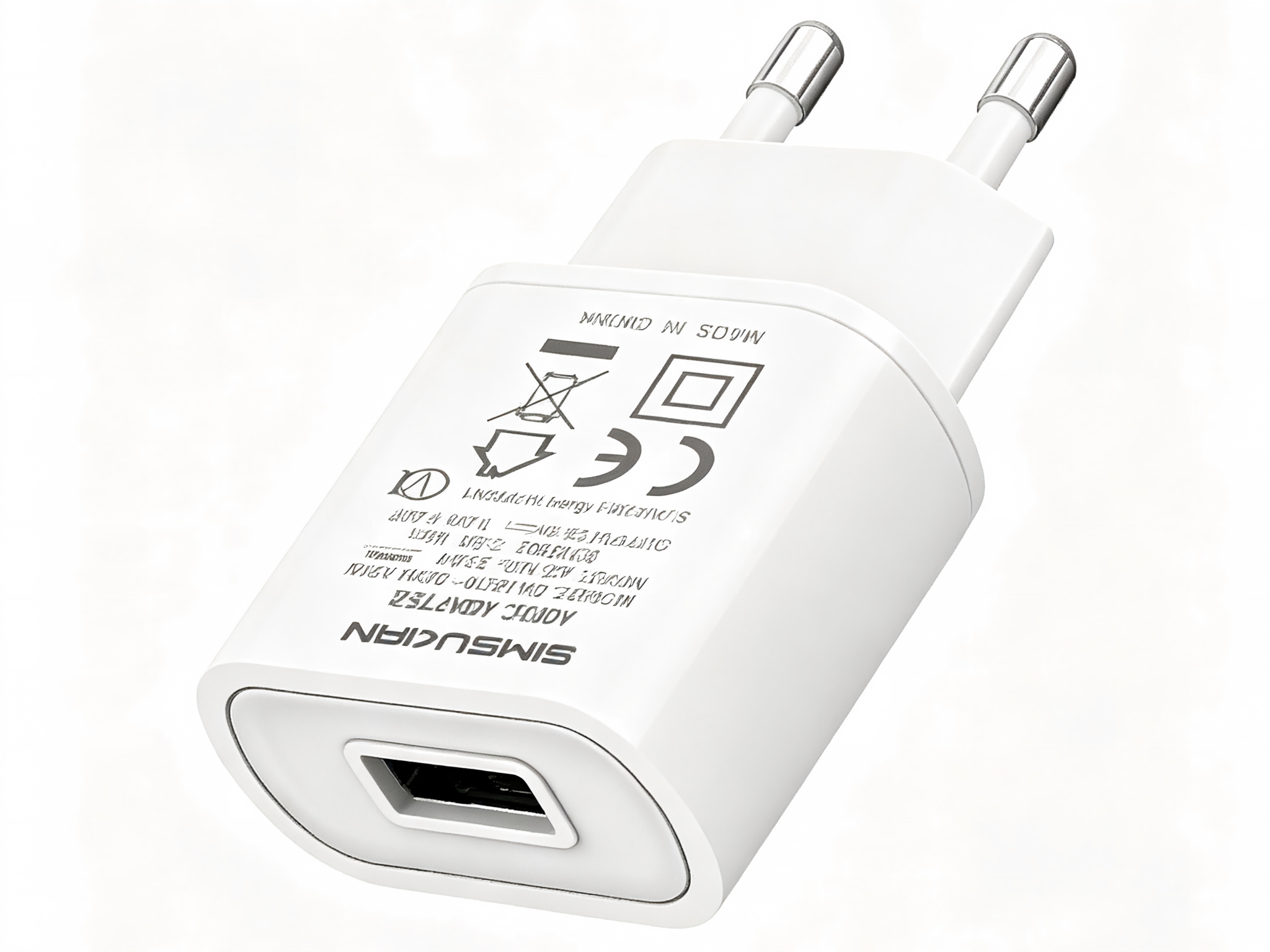
Tiny standby power figures create hard compliance barriers for exported USB charger. Auxiliary power, sleep strategy and light-load control work together to shape final idle loss. Simsukian keeps track of global energy standards and can tailor low-power circuits for the USB charger. Overseas buyers may contact Simsukian to review energy efficiency designs.
FAQ
Q1: Does Simsukian support OEM and ODM orders?
A1: Yes, Simsukian supports OEM & ODM customization, including logo, casing, parameter and packaging adjustment.
Q2: What certifications can Simsukian provide?
A2: Simsukian can provide CE, RCM, FCC, UL, CCC, KC/KCC, PSE, SAA certification certificates. The company holds ISO9001 and ISO14001 system certifications.
Q3: What is the sample lead time?
A3: Sample preparation takes 5 working days.
Q4: What trade terms can be accepted for cooperation?
A4: Simsukian supports FOB, and EXW can be discussed upon customer request.
Q5: What is the warranty period for the products?
A5: The product warranty period is 1 year.
References
1. Simsukian Official Website
2. EU ErP Regulation for external power supplies
3. IEC 62368-1 Audio/video, information and communication technology equipment – Safety requirements
Power adapter
Power adapter
Related Articles More>>
- Inrush Current and Soft-Start Technical Parameters of power adapter
- Temperature Rise & Aging Bench Test Analysis for Interchangeable Plug Power Adapter
- Technical Parameters of wall plug power adapter versus Desktop Selection
- High-frequency Magnetics Design for GaN Fast Charger: Core Loss and Winding Structure Control