

Abstract
USB ports and AC inlets of a USB charger are exposed to ESD and mains surge. Selection and PCB placement of protection components define immunity performance. Standardised surge and ESD testing validates stability of the USB charger under electrical interference.
1. ESD Protection for USB Ports
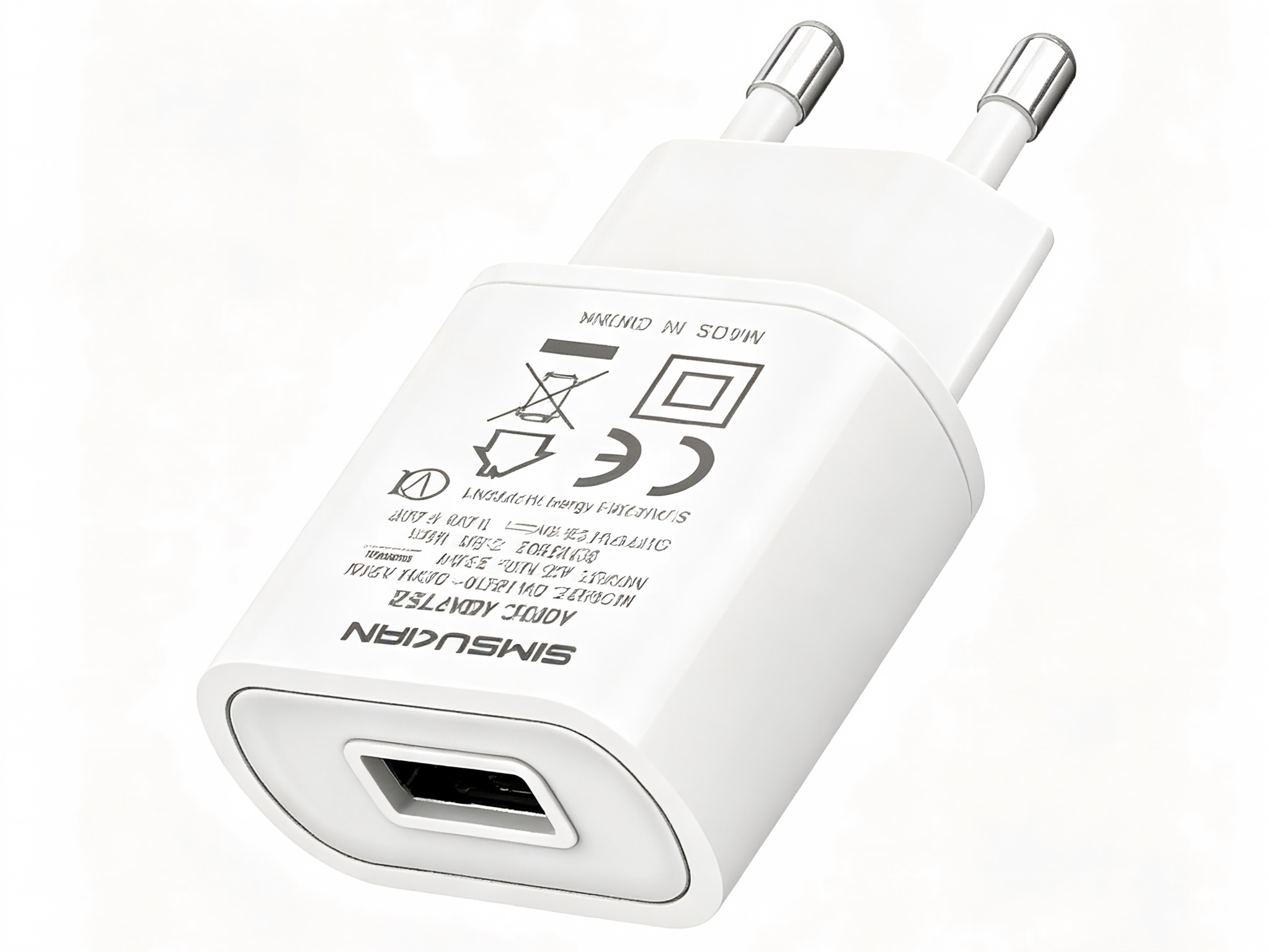
Metal shells and contact pins form the main entry point for ESD into a USB charger. Cable plugging and dry-environment static easily couple onto the port. Low-capacitance TVS diodes are placed on power and data lines of the USB charger to preserve USB signal integrity. Protection components sit close to the USB connector to minimise the path for transient energy.
2. Surge Protection on AC Input
Lightning-induced spikes and mains switching transients attack the AC input. Varistors and gas discharge tubes create surge diversion paths for the USB charger. They work alongside fuses and NTC thermistors to shunt energy and protect the switching controller. Surge severity levels are set according to destination safety standards, so USB charger for different export markets carry different surge ratings.
3. PCB Layout Rules for Protection Circuits
Component layout often decides whether protection works, even when parts are correctly specified. Many USB charger fail ESD because long traces and large loops let transient energy reach the main controller. Discharge loops are routed short and wide. Disturbance paths are separated from signal traces to avoid corruption of protocol signals. Ground plane splitting and isolation are carefully planned for the USB charger.
4. Test Severity and Pass Criteria
ESD covers contact and air discharge; surge tests include differential and common-mode modes under IEC 61000 standards. A passing USB charger must not sustain permanent damage, latch up, reset or lose output. Some buyers accept class B criteria, allowing temporary disturbance followed by automatic recovery, which must be agreed at project kick-off.
5. Failure Review and Iterative Improvement
When protection fails during testing, engineers capture transient waveforms and identify bottlenecks. Component ratings or multi-stage protection networks are revised. One protection stack cannot cover all power levels of USB charger. Higher power versions carry larger surge energy and require upgraded protection circuits.
Conclusion
ESD and surge immunity are critical safety and reliability layers for USB charger. Port and input protection must work together instead of relying on a single component. Simsukian owns full EMC surge and ESD test equipment and can customise immunity designs for the USB charger for target regions. Overseas buyers may contact Simsukian to review our immunity test capabilities.
FAQ
Q1: Does Simsukian support OEM and ODM orders?
A1: Yes, Simsukian supports OEM & ODM customization, including logo, casing, parameter and packaging adjustment.
Q2: What certifications can Simsukian provide?
A2: Simsukian can provide CE, RCM, FCC, UL, CCC, KC/KCC, PSE, SAA certification certificates. The company holds ISO9001 and ISO14001 system certifications.
Q3: What is the sample lead time?
A3: Sample preparation takes 5 working days.
Q4: What trade terms can be accepted for cooperation?
A4: Simsukian supports FOB, and EXW can be discussed upon customer request.
Q5: What is the warranty period for the products?
A5: The product warranty period is 1 year.
References
1. Simsukian Official Website
2. IEC 61000-4-2 Electrostatic discharge immunity test
3. IEC 61000-4-5 Surge immunity test
Power adapter
Power adapter
Related Articles More>>
- Constant-Current Accuracy and Dimming Compatibility of silicon carbide power adapter for Commercial LED Displays
- Energy Storage Silicon Carbide Power Adapter: Wide Temperature, Charging Performance & Technical Parameters
- PD GaN fast charger Energy-saving Technology and Global Energy Compliance Advantages
- Selection Guide of a GaN fast charger for Handheld Consoles and Portable Devices