

Abstract
Cable shorting and accidental contact happen often; a USB charger integrates limit and short protection to avoid fire risk. The USB charger clamps current and triggers protection during overload. Current threshold, trip speed and recovery logic of the USB charger are core safety metrics.
1. Constant Current Limit Threshold
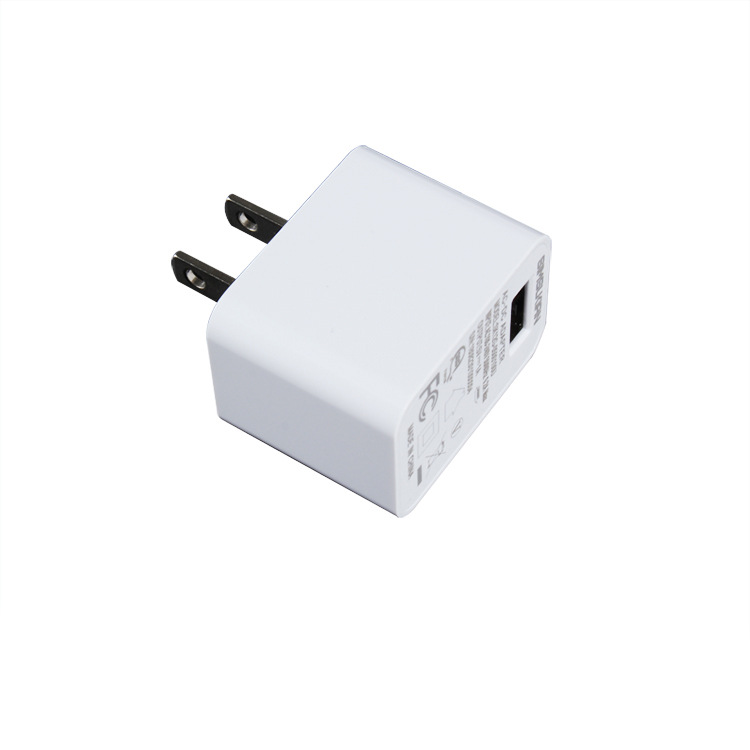
A USB charger activates constant-current mode once draw exceeds the set threshold and output voltage falls. Precise limiting prevents power components inside the USB charger from burnout. Match the limit of the USB charger higher than normal charging current without exceeding component ratings.
2. Short-Circuit Trip Speed
Direct port short is severe fault, and a USB charger must shut down within microseconds. Fast response of the USB charger restricts energy surge and overheating. Cycle short tests on a USB charger to confirm protection never fails.
3. Auto-Recovery vs Latch-Off
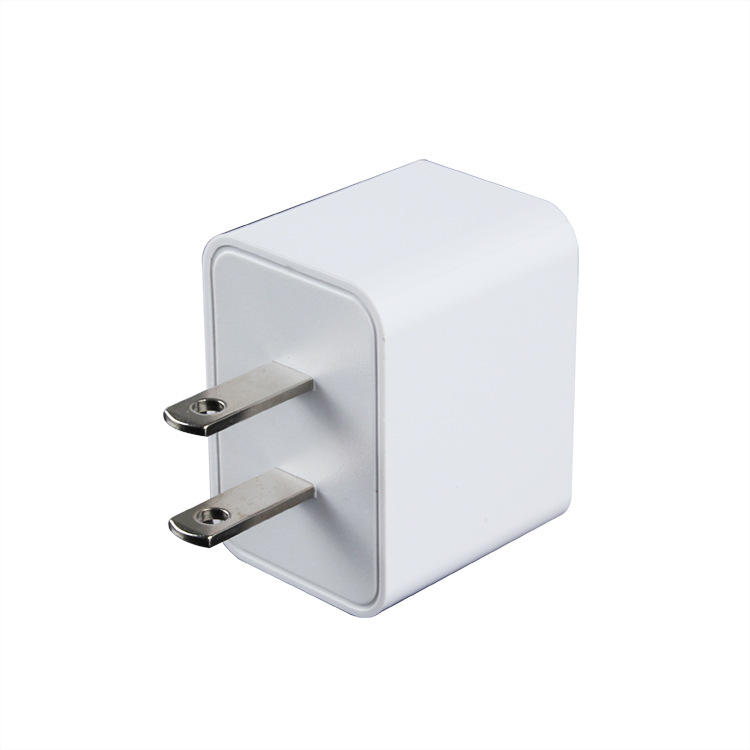
Two protection schemes exist for a USB charger: auto-recovery and latch-off. Auto-restart works for unattended use; latch-off requires mains re-plug. Pick the protection behavior of the USB charger according to end-product safety rules.。The USB charger performs reliably under this condition.
4. Component Derating for Protection
Fuses, MOSFETs and sense resistors form the protection chain of a USB charger, with proper derating. Margin guarantees the USB charger remains functional after repeated fault events. Avoid shrinking safety margin to shrink the size of a USB charger.
Conclusion
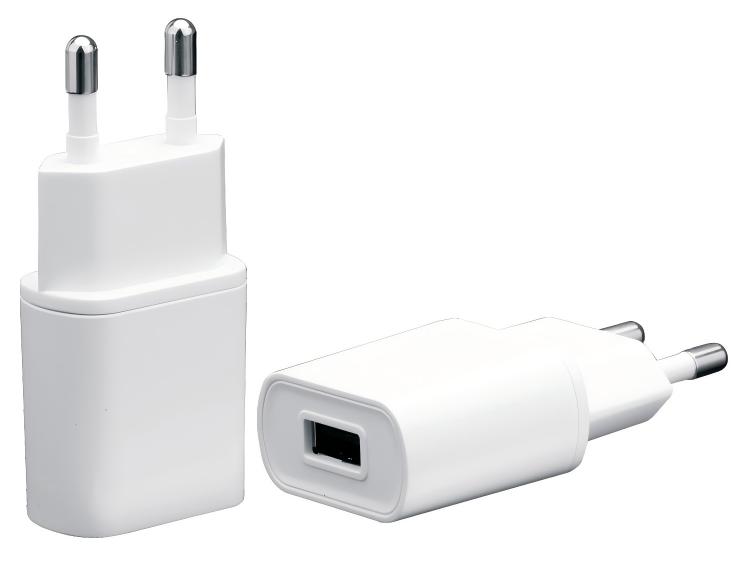
Overload and short faults are common; limit and short-circuit protection of the USB charger prevent hazards. Verify current threshold, trip latency, recovery mode and component derating of the USB charger. Need durability fault testing for validation? Contact Simsukian for test samples with full protection functions.。This USB charger can be customized to meet the specifications of different project application scenarios.
References
1. IEC 62368-1 Safety requirements for electronic power supplies
Power adapter
Power adapter
Related Articles More>>
- Wall Plug Power Adapter - Dimensions, Mechanical Performance & Housing Material Technical Parameters
- Convertible Plug Power Adapter - Production Quality Control and Batch Consistency Technical Parameters for Multiple Pin Versions
- Desktop Power Adapter: Technical Parameters, Specifications and Selection Guide
- Power Derating Design and High-Temperature Operation Selection for Desktop Power Adapter