

Abstract
A USB charger may encounter various after-sales failures after entering the market. Most faults of a USB charger relate to temperature rise, component aging, ESD surge and abnormal operating conditions. Root cause tracing and corrective actions steadily improve long-term reliability of the USB charger.
1. Aging Failure Triggered by Excessive Temperature Rise
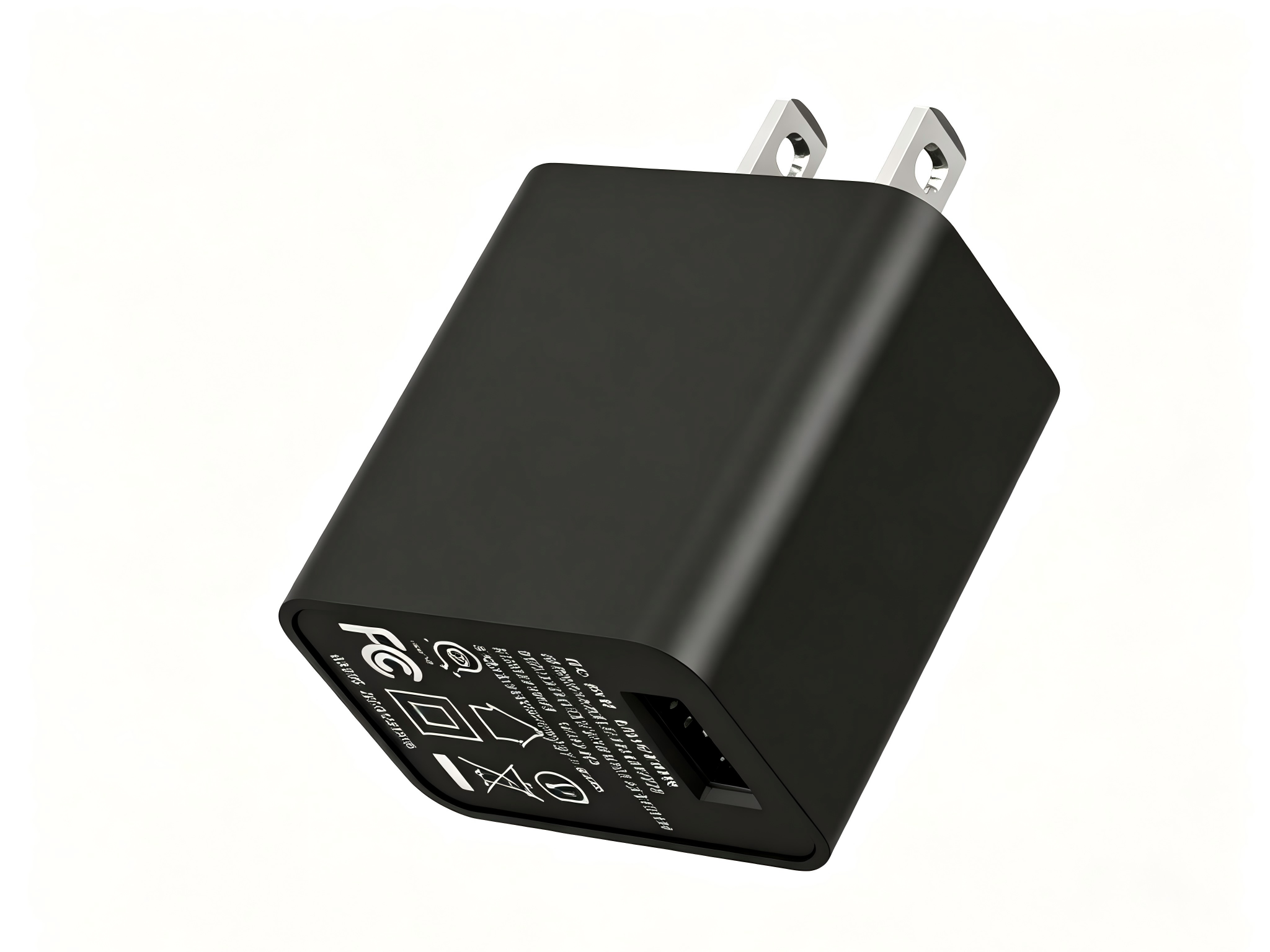
Overheating is the leading cause of failure for USB charger. Sustained high temperature accelerates electrolyte loss in electrolytic capacitors and shifts semiconductor parameters. Many thermal complaints do not stem from design flaws; they arise when the USB charger runs continuously in enclosed hot spaces beyond the original derating envelope. Failed units are retested to map thermal profiles and distinguish between insufficient design margin and out-of-spec end-user operation.
2. Port Damage from ESD and Surge Stress
The exposed USB port of the USB charger is vulnerable to ESD during cable plugging and mains surge transients. Such failures are intermittent and hard to replicate during standard end-of-line testing. Simsukian disassembles failed units and checks burn marks on TVS, controller ICs and connectors. We evaluate whether the protection rating matches the real operating environment and upgrade the port protection circuit of the USB charger accordingly.
3. Abnormal Ripple and Intermittent Reset Faults
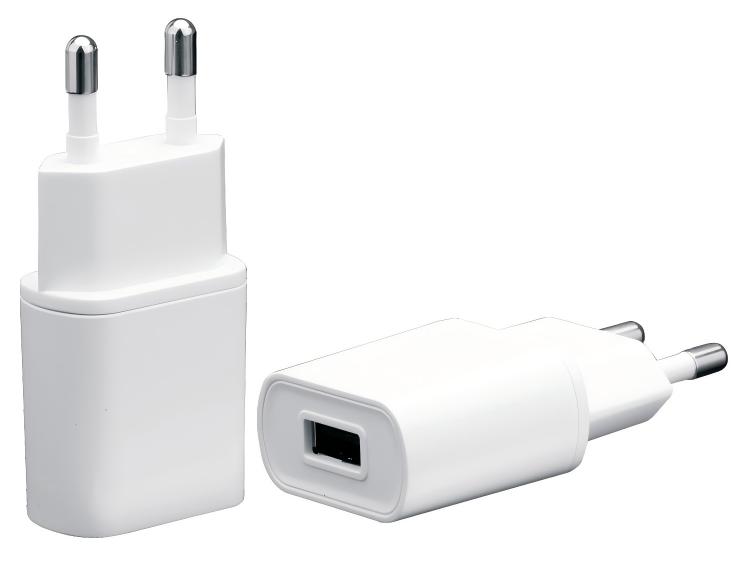
Intermittent reboot, unstable output and excessive ripple are subtle faults of the USB charger, usually caused by cold solder joints, capacitance decay or loop parameter drift. These faults appear randomly, requiring long-duration waveform capture with oscilloscopes. If the issue appears across multiple units, soldering processes and capacitor batch consistency are reviewed to stop recurring intermittent failures of the USB charger.
4. False Protection Caused by Unstable Mains Power
Some overseas regions suffer from severe voltage fluctuation, frequent blackouts and sharp mains spikes, which may trigger false protection and hiccup restart of the USB charger. During failure review, we replicate unstable mains conditions and adjust input filters, under-voltage and over-voltage thresholds to fit local power grid characteristics.
5. Closed-loop Continuous Quality Improvement
All after-sales failures of the USB charger are logged into the quality system, recording failure mode, batch, destination region and operating conditions to build a failure database. Recurring faults trigger dedicated corrective actions, updating design, BOM and test specifications. New test items are added to production checklists so later batches of USB charger avoid the same defects.
Conclusion
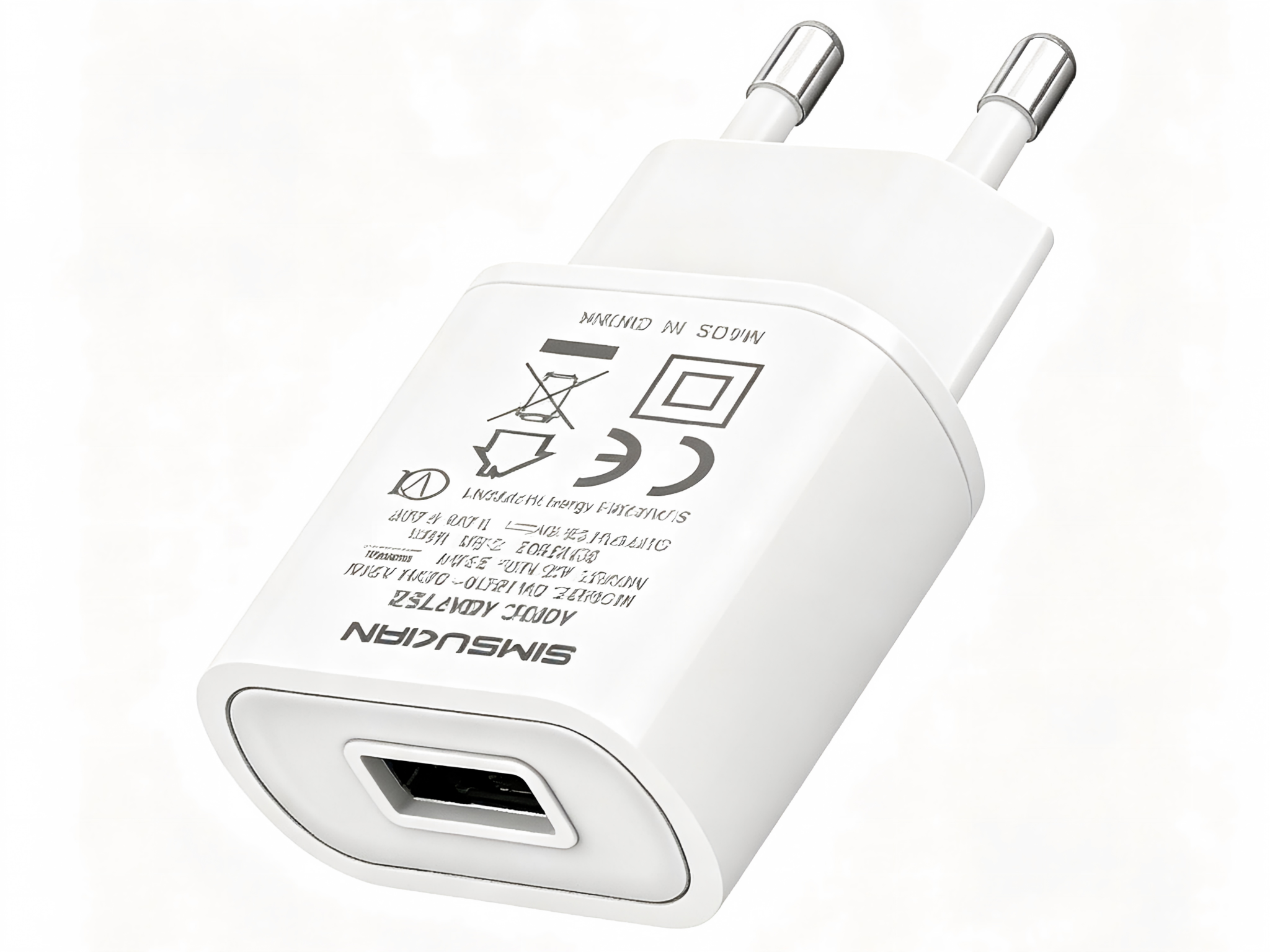
Failure analysis is far more than return handling; it is a core way to upgrade the quality of USB charger. Simsukian runs a dedicated failure analysis lab to identify root causes and implement corrective actions for faulty USB charger. Overseas buyers can contact Simsukian for joint after-sales quality investigation.
FAQ
Q1: Are the certifications complete and verifiable?
A1: Simsukian’s full product range covers major certifications including UL, CE, FCC, PSE, KC, SAA, UKCA, and CB. All certificates can be verified through official channels, effectively avoiding risks of fake, borrowed, or expired certificates that may cause customs clearance failure or platform delisting.
Q2: How is the quality stability and protection performance?
A2: All Simsukian products undergo 100% aging tests and are equipped with multiple protections including over-voltage, over-current, short-circuit, and over-temperature protection. They feature low ripple, low heat generation, and an average lifespan of approximately 50,000 hours, supporting long-term full-load stable operation.
Q3: Can products be customized? What are the sample and mass production lead times?
A3: OEM/ODM customization is fully supported, including voltage, current, connector, plug type, housing, and logo. Sample lead time is 5 days. Standard bulk order lead time is 18–20 days. Sample fees are refundable after placing a bulk order.
Q4: Do the products meet energy efficiency and standby power requirements?
A4: The full range meets DOE Level VI and higher energy efficiency standards. Some models achieve no-load power consumption ≤0.1W, complying with ErP and other international energy-saving regulations.
Q5: How are lead time, MOQ, and after-sales service guaranteed?
A5: As a source manufacturer with abundant stock of standard models, delivery is stable. Standard warranty is 1 year (free repair within the first year). Lifetime repair support is provided; after the first year, appropriate material and labor fees will be charged.
References
1. Simsukian Official Website
2. IEC 61000-4-2 Electrostatic discharge immunity test
3. IEC 60300-3-1 Reliability management – Part 3-1: Application guide
Power adapter
Power adapter
Related Articles More>>
- Hardware Protection Circuit Parameters and Fault Response Features for Desktop Power Adapter
- PD GaN Fast Charger - Thermal Management and Temperature Rise Control Technical Parameters
- Temperature Rise & Aging Bench Test Analysis for Interchangeable Plug Power Adapter
- EMI EMC Test & Overseas Market Access Guide for Desktop Power Adapter