

Abstract
Power output of a desktop power adapter is affected by ambient temperature. High-temperature operation requires derating. Overseas buyers must master derating principles of the desktop power adapter. Temperature derating curve, housing temperature limits and power reduction ratio of desktop power adapter. Focus on thermal design and mounting clearance for stable full-load operation in hot environments.
1. Basic Temperature Derating Parameters of Desktop Power Adapter
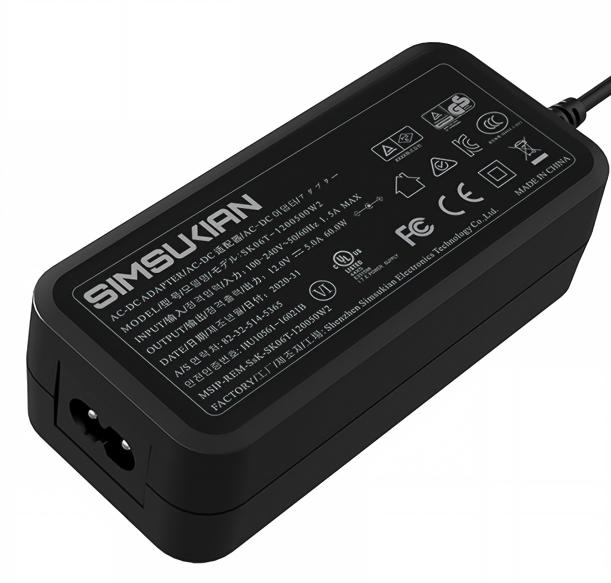
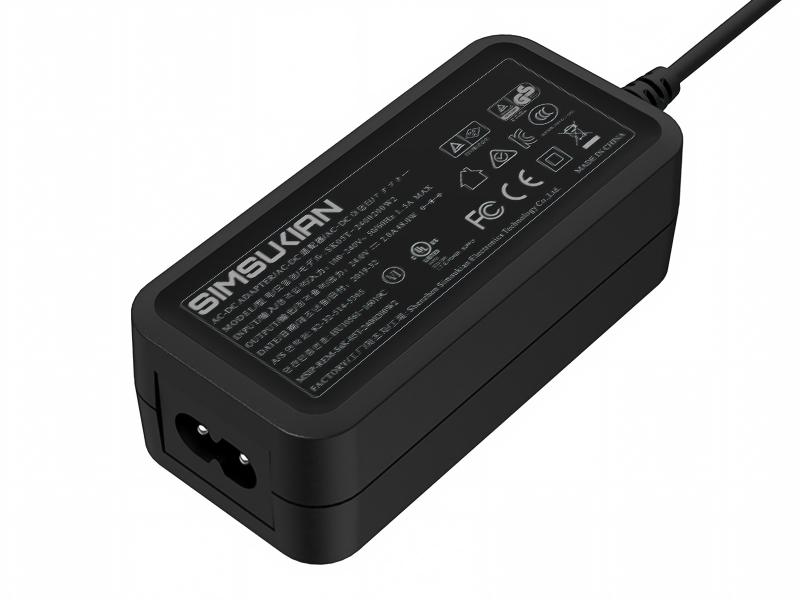
Rated output power of the desktop power adapter is defined at 25℃ ambient temperature. As ambient temperature rises, internal component temperature increases, requiring output power reduction to control housing temperature. Standard derating rule for the desktop power adapter: output power declines linearly from 25℃ to 40℃, reaching 80% of rated at 40℃. Above 40℃ ambient, derating of the desktop power adapter accelerates. At 60℃ ambient, output power may drop to 60% of rated value.
Maximum housing surface temperature of the desktop power adapter is typically limited to 70℃~85℃, varying by housing material and safety rating. Transformer, MOSFET and output rectifier inside the desktop power adapter act as primary heat sources, dissipating heat through the enclosure.
2. Thermal Design Parameters of Desktop Power Adapter
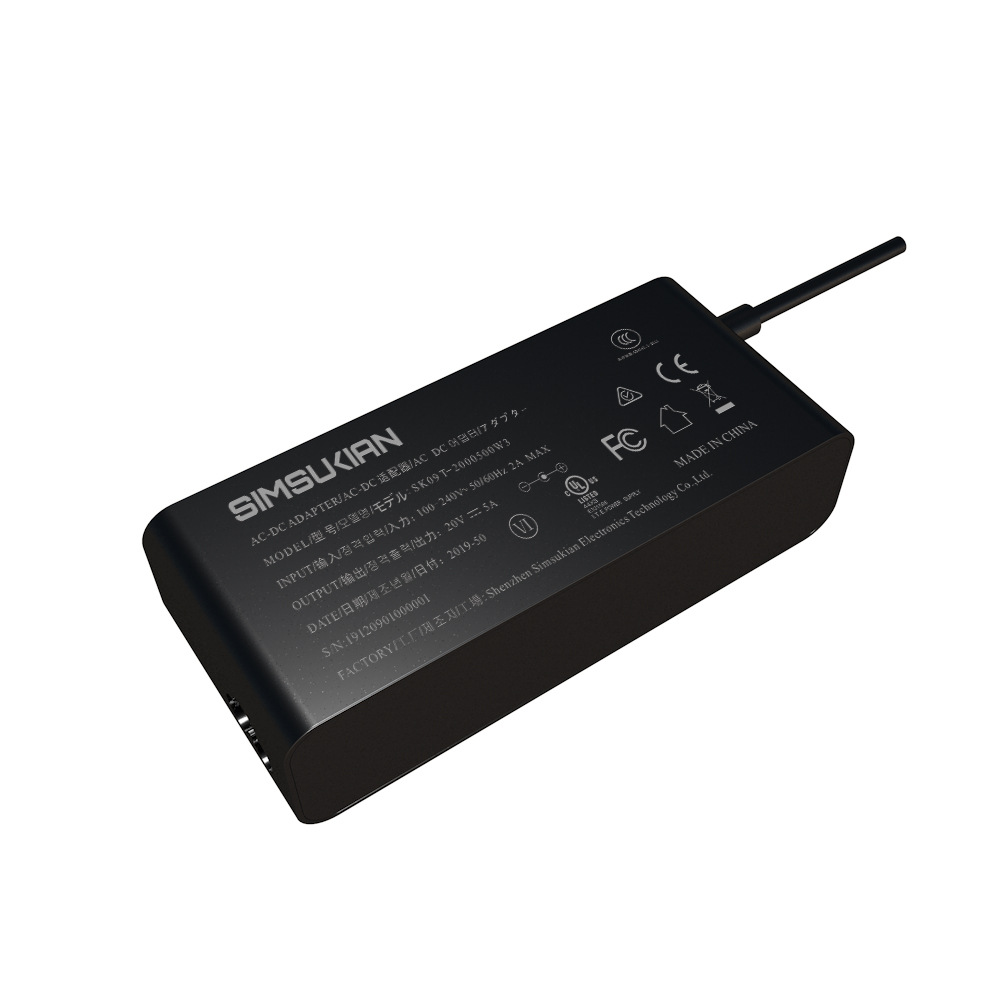
Natural convection cooling of the desktop power adapter relies on housing surface area and air flow conditions. Mounting clearance around the desktop power adapter must exceed 10cm to avoid hot air accumulation. Inside sealed enclosures, ambient temperature around the desktop power adapter rises 10℃~15℃ above external temperature. Chamber temperature rise must be calculated before selection.
High-power desktop power adapter (65W and above) features cooling fins on the housing to increase heat dissipation area. Thermal conductive grease fills gaps between power components and housing of the desktop power adapter to reduce thermal resistance and improve cooling efficiency.
3. Derating Selection Calculation Method for Desktop Power Adapter
High-temperature application selection of the desktop power adapter requires sufficient power margin. If maximum operating ambient temperature is 50℃, check the derating curve of the desktop power adapter at 50℃ where 70% rated power is available. With actual device power consumption of 30W, required rated power of the desktop power adapter reaches 30W ÷ 70% ≈ 43W. A 45W or higher model is recommended for extra margin.
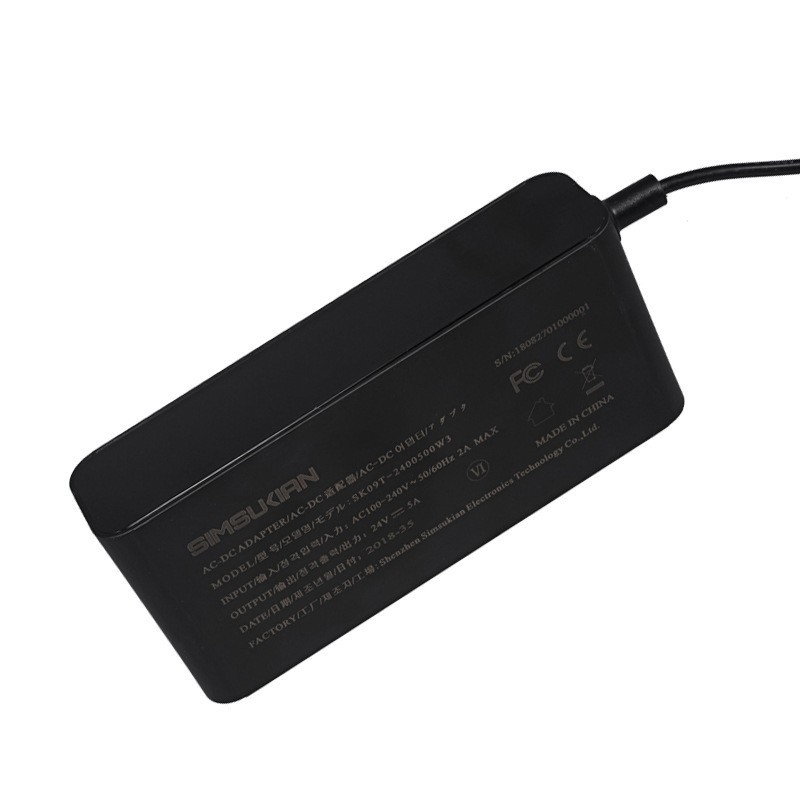
For continuous full-load operation, power margin of the desktop power adapter should exceed 30% to avoid shortened service life from chronic high temperature. For intermittent duty equipment, derating pressure of the desktop power adapter is lower, and peak power matching is acceptable.
4. High-Temperature Ageing and Lifetime Relationship of Desktop Power Adapter
Electrolytic capacitor lifetime of the desktop power adapter follows the 10℃ rule: every 10℃ temperature rise halves capacitor life. Long-term high-temperature operation of the desktop power adapter makes electrolytic capacitors the lifetime bottleneck. Derating reduces internal temperature rise and significantly extends overall service life of the desktop power adapter. Industrial high-temperature sites should select wide-temperature variants of the desktop power adapter with high-temperature rated electrolytic capacitors and power components.
Conclusion
Derating design of the desktop power adapter is the core consideration for high-temperature selection. Temperature derating curve, cooling conditions and power margin together determine long-term reliability. If you need high-temperature dedicated desktop power adapter, contact Simsukian for derating curves and wide-temperature sample testing.
References
1. Google Search Central E-E-A-T guidance
Power adapter
Power adapter
Related Articles More>>
- DC Output Cable, Connector Mechanical & Electrical Parameters for Desktop Power Adapter
- Structural Design Key Points of Interchangeable Conversion Pin Adapter
- Key Selection Criteria & Energy Efficiency Analysis for Desktop Power Adapters
- Cost Optimization for Power Adapter: Optimize Bill of Materials Without Sacrificing Reliability