

Abstract
When a USB charger carries multiple USB ports, total power budget limits combined output. Internal scheduling dynamically shares available power. Well-designed allocation prevents power contention and voltage drop when multiple devices connect to the USB charger.
1. Total Power Budget and Shared Power Pool
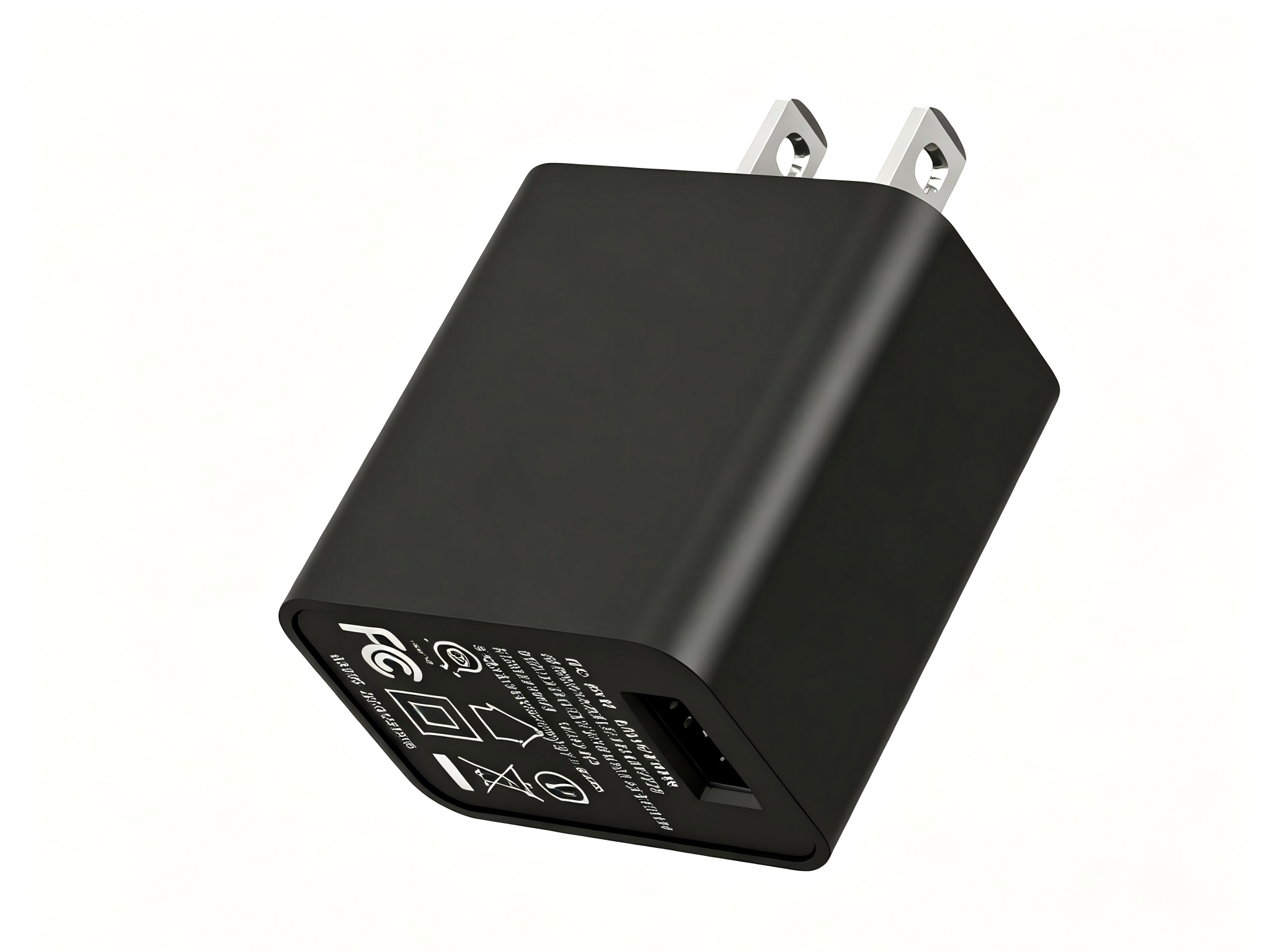
A multi-port USB charger has a fixed total power ceiling. Sum of all port outputs cannot exceed this limit. The USB charger uses a shared power pool instead of fixed per-port power to improve utilisation. With only one connected device, that port can access nearly full power for fast charging. When multiple devices are plugged in, power is redistributed automatically.
2. Port Priority and Negotiation Rules
Some USB charger assign priority ports that retain high power while secondary ports scale back. Other versions use proportional sharing across all ports. Priority schemes fit master-slave device sets, while equal sharing works for peer devices. Buyers can select the scheduling mode of the USB charger according to their end-product ecosystem.
3. Dynamic Load Change and Smooth Power Throttling
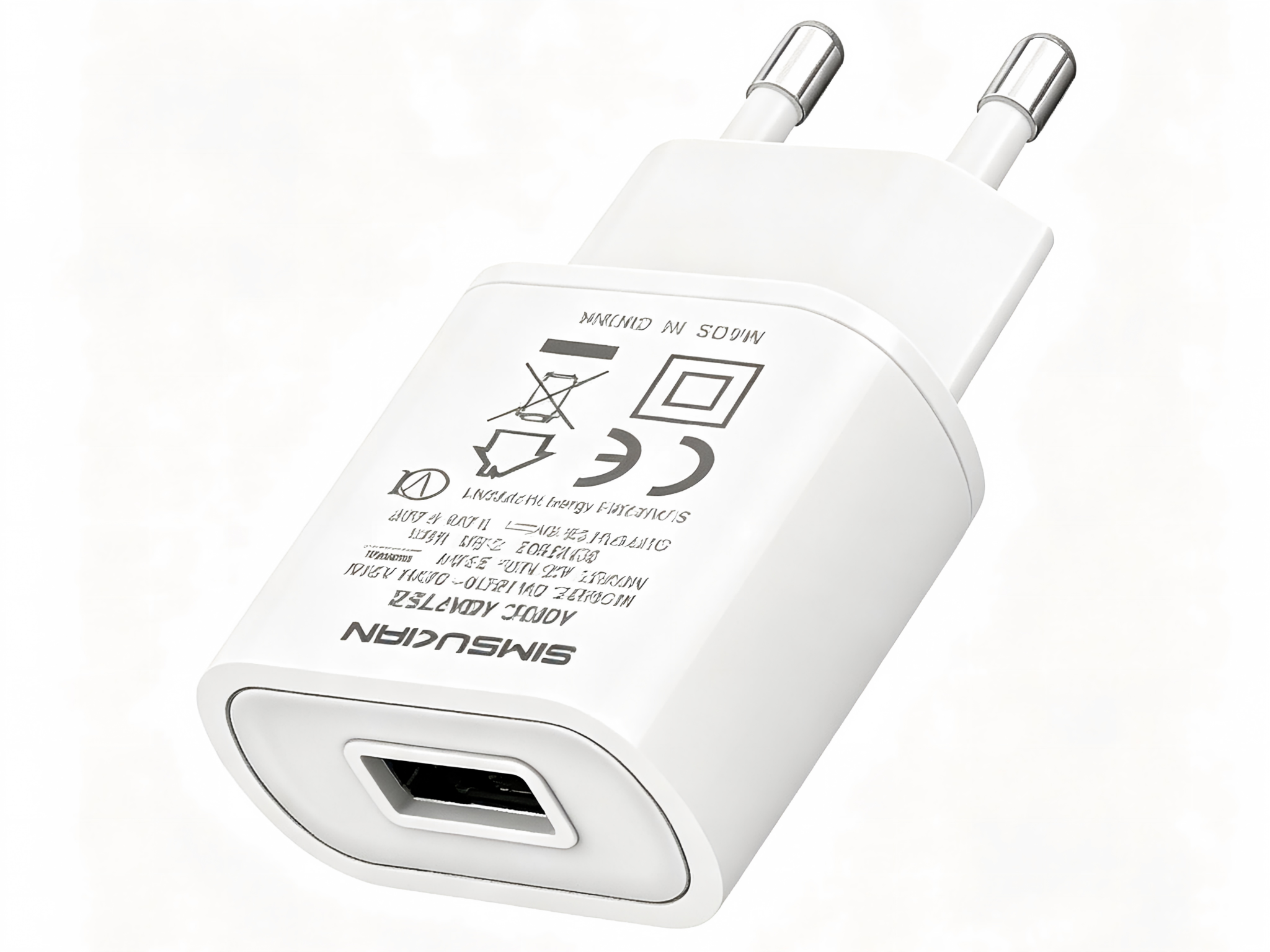
Plugging and unplugging devices triggers reallocation inside the USB charger. Mature scheduling adjusts port power gradually without sharp voltage drop or repeated protocol renegotiation. Poor algorithms cause existing devices to reset or stop charging when a new load is added. Random plug-and-unplug sequences are tested repeatedly for the USB charger during validation.
4. Coordinated Over-power Protection
Multi-port USB charger combines per-port protection and system-level over-power protection. Short-circuit or over-current on one port locks only that channel while remaining ports stay active. Sustained total overload triggers system throttling or global shutdown to protect power components of the USB charger. Tiered protection balances fault tolerance and safety.
5. Firmware Validation for Scheduling Logic
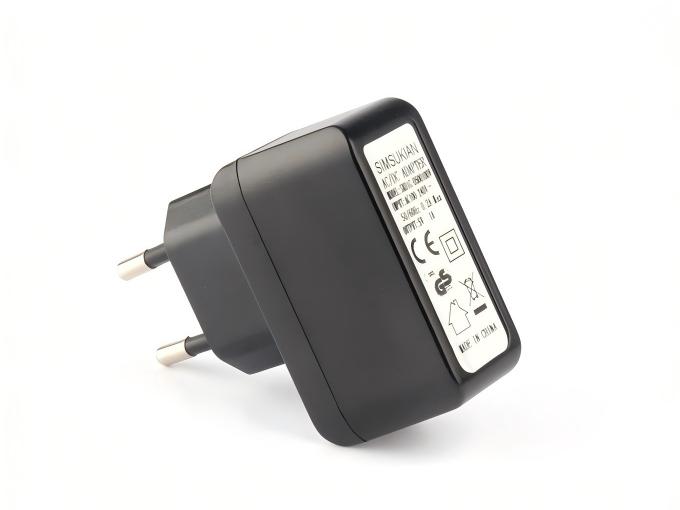
Power sharing behaviour is controlled by firmware inside the USB charger. Any firmware revision alters port response. Simsukian maintains a library of multi-load test cases for multi-port USB charger. Every firmware update is retested across all load combinations to avoid scheduling bugs and guarantee consistent port behaviour within one batch.
Conclusion
Adding extra ports is mechanically simple, but stable scheduling logic is the core challenge for multi-port USB charger. Shared power pools, priority rules and tiered protection together shape reliable multi-device charging. Simsukian customises power allocation firmware for multi-port USB charger. Overseas buyers may contact Simsukian to discuss multi-port designs.
FAQ
Q1: Does Simsukian support OEM and ODM orders?
A1: Yes, Simsukian supports OEM & ODM customization, including logo, casing, parameter and packaging adjustment.
Q2: What certifications can Simsukian provide?
A2: Simsukian can provide CE, RCM, FCC, UL, CCC, KC/KCC, PSE, SAA certification certificates. The company holds ISO9001 and ISO14001 system certifications.
Q3: What is the sample lead time?
A3: Sample preparation takes 5 working days.
Q4: What trade terms can be accepted for cooperation?
A4: Simsukian supports FOB, and EXW can be discussed upon customer request.
Q5: What is the warranty period for the products?
A5: The product warranty period is 1 year.
References
1. Simsukian Official Website
2. IEC 62368-1 Audio/video, information and communication technology equipment – Safety requirements
3. USB Power Delivery Specification
Power adapter
Power adapter
Related Articles More>>
- Wall Plug Power Adapter: Wide Voltage Input Solution & Full Electrical Technical Parameter Analysis
- Selection Guide of a desktop power adapter for Monitors and Large Screens
- Detailed Technical Parameters & Global Compliance Solutions for Desktop Power Adapter
- Low-Noise Precision Power Supply|SiC Power Adapter for Exported Portable Medical Devices