

Abstract
Standardized project management is required for USB charger ODM customization. Specification confirmation at the early stage defines the design direction of a USB charger. Phased reviews and multi-round validation ensure the finished USB charger meets application and compliance expectations of buyers.
1. Requirement Intake and Design Review
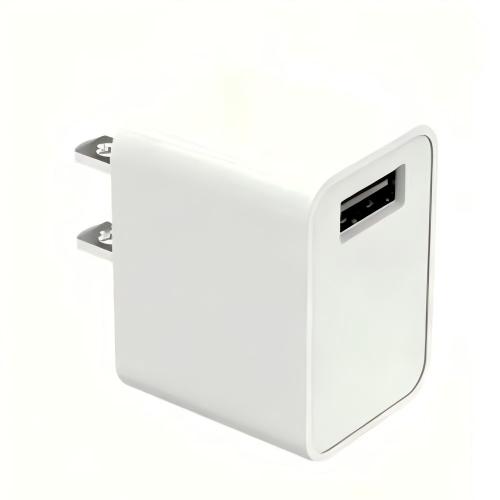
A custom USB charger project starts with a full specification document covering input and output ratings, communication protocol, target market certifications, operating environment, mechanical dimensions and lifespan targets. Engineers evaluate feasibility, power derating, thermal margin and EMC challenges and deliver an initial assessment report. Conflicting requirements, such as high power inside a compact housing under high ambient temperature, are discussed with the buyer at the start, so no unsolvable bottleneck appears in later USB charger development.
2. Schematic Design, PCB Layout and First Prototype
After the scheme is approved, hardware engineers complete the schematic and component selection, then route the PCB. Layout work prioritises power loops, high-voltage isolation and USB signal traces while balancing safety clearance, heat dissipation and EMC. The first prototype of the USB charger goes through basic laboratory tests covering regulation, protection and no-load power, and design weaknesses are recorded.
3. Multi-round Prototype Iteration and Reliability Validation
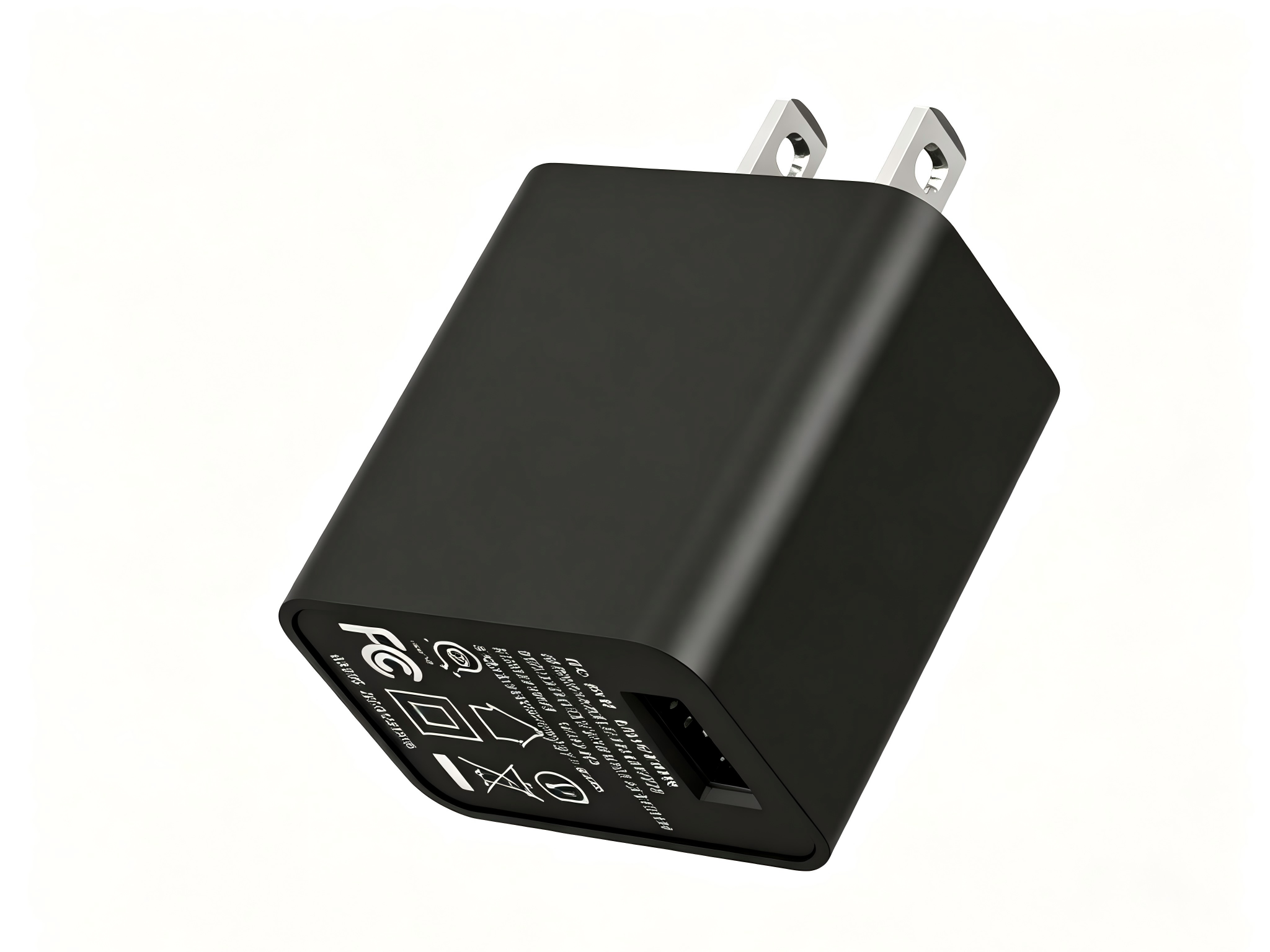
The first prototype usually covers basic functions only, and another two to three iterations follow. Every revised USB charger sample runs a complete test suite: temperature rise, dynamic load, EMC pre-scan, thermal cycling and ESD immunity. Findings are closed one by one until all indicators meet the specification, and only then does the design enter certification submission. This stage is the core risk control step of the USB charger project.
4. Third-party Certification and Document Freeze
Once performance is frozen, samples are submitted to accredited laboratories for certification, while drawings, BOM, user manual and marking files are prepared. If a non-compliance item appears, the Simsukian engineering team revises the USB charger design and retests until it passes. After the certificate is issued, all technical documents are locked as the baseline for mass production.
5. Pilot Run, Mass Production and Ongoing Delivery
A small pilot run after certification validates SMT assembly, assembly process and test fixtures, and collects production yield data for workflow optimisation. Mass production starts only after pilot acceptance, with continuous control of materials, process and test standards. After project delivery, Simsukian keeps collecting USB charger production feedback and responds to later revisions and alternate component requests.
Conclusion
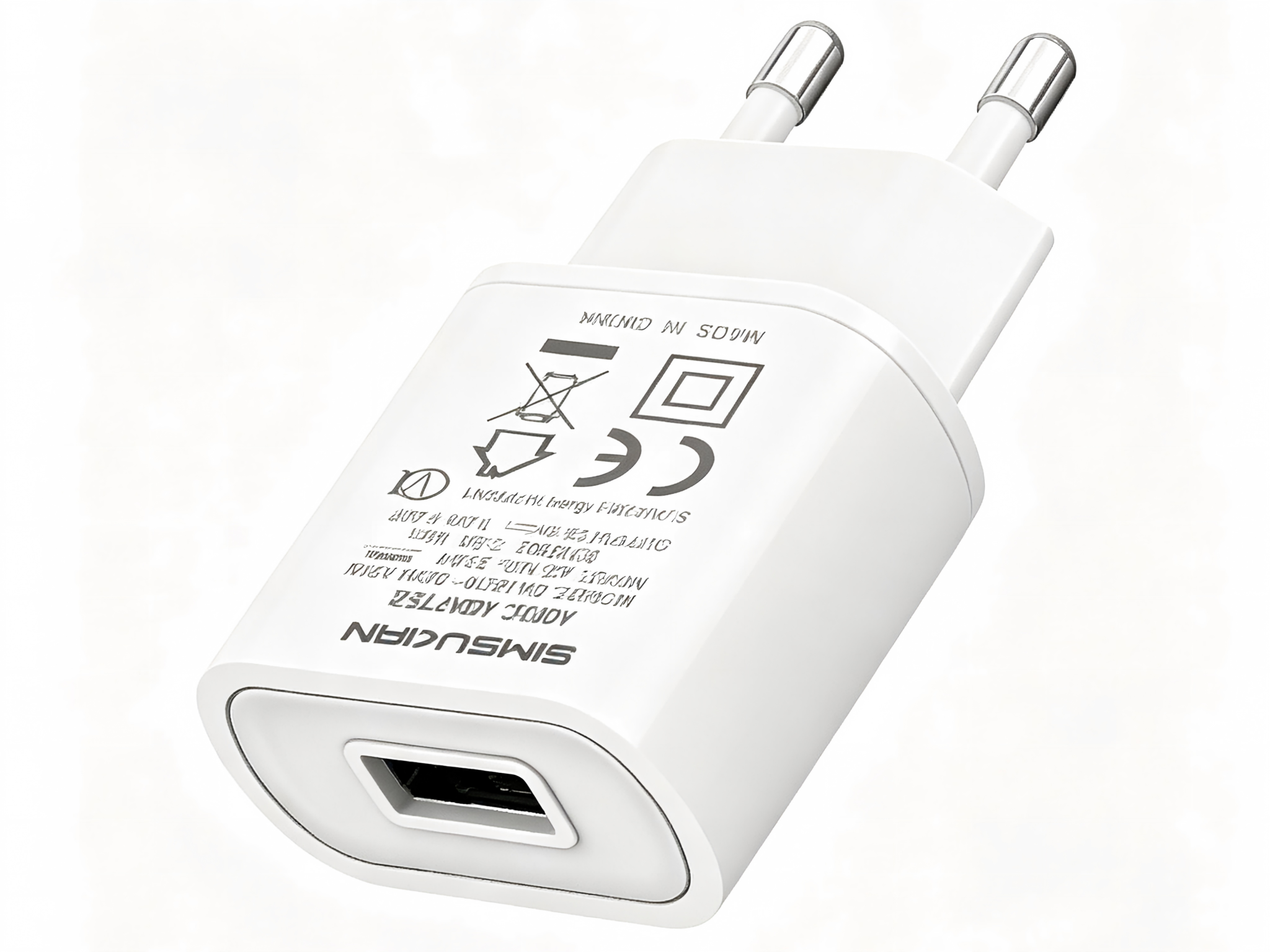
A structured ODM workflow shortens customisation cycle time for USB charger and lowers development risk. Simsukian operates a complete ODM pipeline and accepts custom USB charger development projects. Overseas buyers may contact Simsukian and submit specifications to start project evaluation.
FAQ
Q1: Are the certifications complete and verifiable?
A1: Simsukian’s full product range covers major certifications including UL, CE, FCC, PSE, KC, SAA, UKCA, and CB. All certificates can be verified through official channels, effectively avoiding risks of fake, borrowed, or expired certificates that may cause customs clearance failure or platform delisting.
Q2: How is the quality stability and protection performance?
A2: All Simsukian products undergo 100% aging tests and are equipped with multiple protections including over-voltage, over-current, short-circuit, and over-temperature protection. They feature low ripple, low heat generation, and an average lifespan of approximately 50,000 hours, supporting long-term full-load stable operation.
Q3: Can products be customized? What are the sample and mass production lead times?
A3: OEM/ODM customization is fully supported, including voltage, current, connector, plug type, housing, and logo. Sample lead time is 5 days. Standard bulk order lead time is 18–20 days. Sample fees are refundable after placing a bulk order.
Q4: Do the products meet energy efficiency and standby power requirements?
A4: The full range meets DOE Level VI and higher energy efficiency standards. Some models achieve no-load power consumption ≤0.1W, complying with ErP and other international energy-saving regulations.
Q5: How are lead time, MOQ, and after-sales service guaranteed?
A5: As a source manufacturer with abundant stock of standard models, delivery is stable. Standard warranty is 1 year (free repair within the first year). Lifetime repair support is provided; after the first year, appropriate material and labor fees will be charged.
References
1. Simsukian Official Website
2. IEC 62368-1 Safety standard for ICT equipment
3. ISO 9001 Quality management systems – Requirements
Power adapter
Power adapter
Related Articles More>>
- High-Low Temperature Reliability and Environmental Adaptability Test of Plug-in Power Adapter
- Sourcing Guide for Bulk ODM Customization and Quality Control of a desktop power adapter
- Wall Plug Power Adapter - Dimensions, Mechanical Performance & Housing Material Technical Parameters
- Convertible Plug Power Adapter- Pin Lock Reliability, Insertion Endurance and Contact Technical Parameters