

Abstract
Electrical safety of a desktop power adapter tops priority for overseas buyers. Purchasers must verify full insulation safety parameters of the desktop power adapter. Desktop power adapter dielectric strength, earth leakage and housing flame rating follow ITE safety standards. Focus on primary-secondary isolation structure to remove electric shock and fire risks.
1. Dielectric Withstand and Insulation Parameters of Desktop Power Adapter
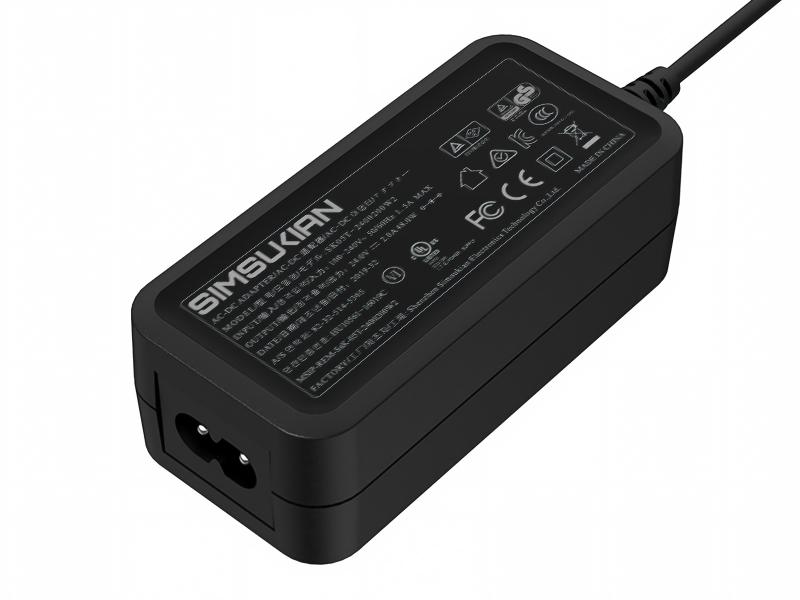
The desktop power adapter uses reinforced insulation construction. Hipot test between primary and secondary applies 4kV AC for 60 seconds without breakdown or flashover. Insulation of the desktop power adapter includes solid layers, transformer isolation tape and air gaps, meeting IEC 60950 creepage and clearance values. For rated voltage class, minimum creepage distance of the desktop power adapter reaches 6.4mm and clearance exceeds 3.2mm.
Earth leakage test for the desktop power adapter runs under rated input voltage with leakage capped below 0.1mA. Leakage of the desktop power adapter mainly originates from Y-capacitors. Component selection balances EMC performance and leakage limit. Higher capacitance for noise reduction must not raise leakage beyond safety thresholds.
2. Housing Flame Retardant Parameters of Desktop Power Adapter
The enclosure of the desktop power adapter uses UL94 V0 flame-retardant PC plastic. When flame source is removed, the housing material self-extinguishes within 30 seconds with no burning droplets igniting surrounding materials. Housing thickness stays above 1.2mm to maintain mechanical strength and fire resistance. Safe clearance separates internal hot components from the shell of the desktop power adapter.
3. Safety Structure Design of Desktop Power Adapter
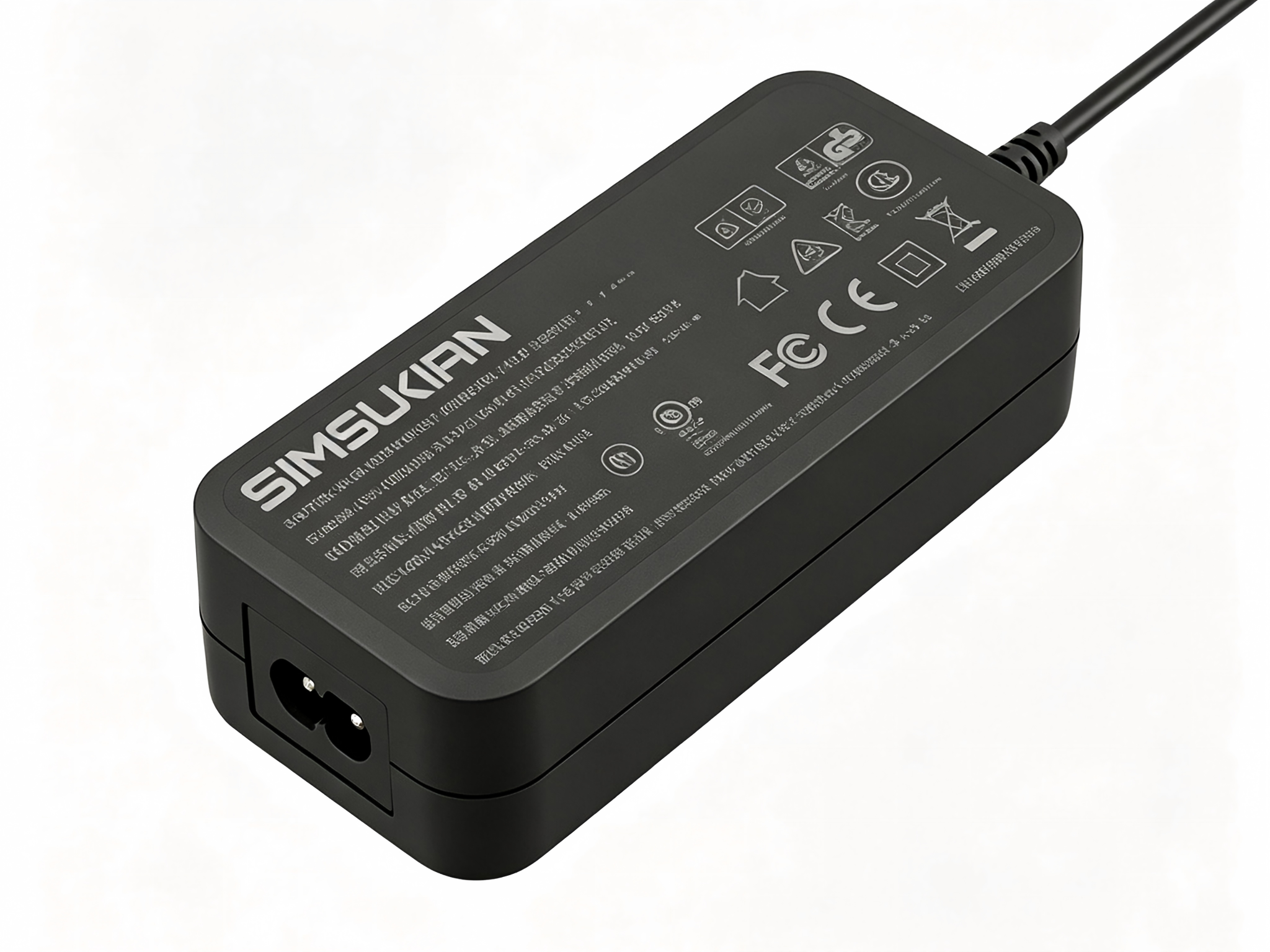
Transformer forms the core isolation safety component of the desktop power adapter. Insulation tape is wrapped between transformer windings to prevent winding short-circuit. PCB of the desktop power adapter includes safety slots between primary and secondary tracks to increase creepage distance. Input fuse has breaking capacity of 35A at 250VAC and cuts off power quickly under short-circuit fault. Slow-blow fuse is selected for the desktop power adapter to survive inrush current at power-on.
4. Safety Test Items of Desktop Power Adapter
100% of finished desktop power adapter units undergo hipot test before shipment. Type test includes ball pressure test, needle flame test and abnormal fault evaluation. In needle flame test, 550℃ flame applies to housing for 30 seconds, and the material must not sustain combustion. Type test reports of the desktop power adapter serve as foundation for overseas safety certifications.
Conclusion
Insulation, hipot and flame retardant parameters of the desktop power adapter directly relate to end-user safety. Structure and material selection support regulatory compliance. Review type test reports of the desktop power adapter before bulk purchase to avoid export safety risks. If you need safety customisation for desktop power adapter, contact Simsukian for safety specification documents.
References
1. Google Search Central E-E-A-T guidance
2. IEC 60950-1 IT equipment safety standard
Power adapter
Power adapter
Related Articles More>>
- PD GaN fast charger EMI Suppression and Clean Output Technology
- Hardware Protection Circuit Parameters and Fault Response Features for Desktop Power Adapter
- Desktop Power Adapter Continuous Load Performance and Matching Scheme for Commercial Self-service Terminals
- Tensile and Mechanical Strength Test Analysis of Conversion Pin Adapter